Women experience certain eye health risks more often than men, largely due to hormonal changes and longer life expectancy.


From dry eye during pregnancy to increased risk of age-related conditions later in life, understanding these differences can help you protect your vision long term.


This guide to women’s eye health is designed for patients in Howell, Brighton, Hartland, Pinckney, and surrounding Livingston County communities who want clear, practical information about how hormones, life stages, and overall health can affect vision.


Below, we’ll explain why women may be at higher risk for certain conditions, how pregnancy can affect vision, and what preventive steps support lifelong eye comfort and clarity.

Why are women at higher risk for certain eye conditions?


One of the biggest factors influencing women’s eye health is hormones. Hormonal changes occur throughout life and can directly affect how the eyes feel and function.


Hormonal shifts and tear production

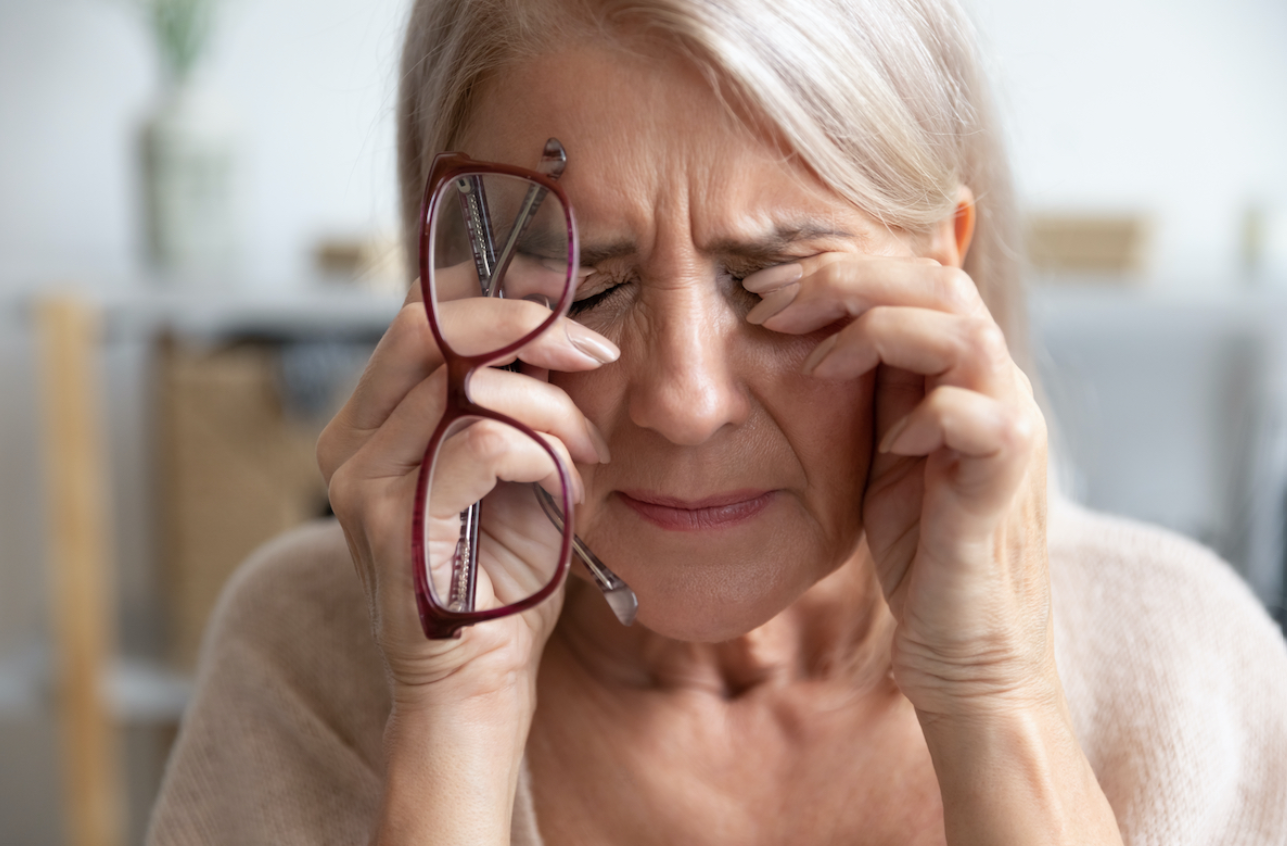
Estrogen and other hormone fluctuations can affect tear production and tear quality. This is one reason women are more likely to experience dry eye symptoms, especially during:

  • Pregnancy
  • Perimenopause
  • Menopause

Dry eye may cause:

  • Burning or stinging
  • Grittiness
  • Fluctuating blurry vision
  • Redness
  • Discomfort with contact lenses

Because hormonal changes can happen gradually, symptoms may feel subtle at first.


Longer life expectancy and age-related conditions

Women tend to live longer on average. While that is positive in many ways, it also increases the likelihood of developing age-related eye conditions over time.


Conditions that become more common with age include:

  • Cataracts
  • Glaucoma
  • Macular degeneration

Routine comprehensive eye exams help detect early changes before symptoms become noticeable.


How does pregnancy affect vision?


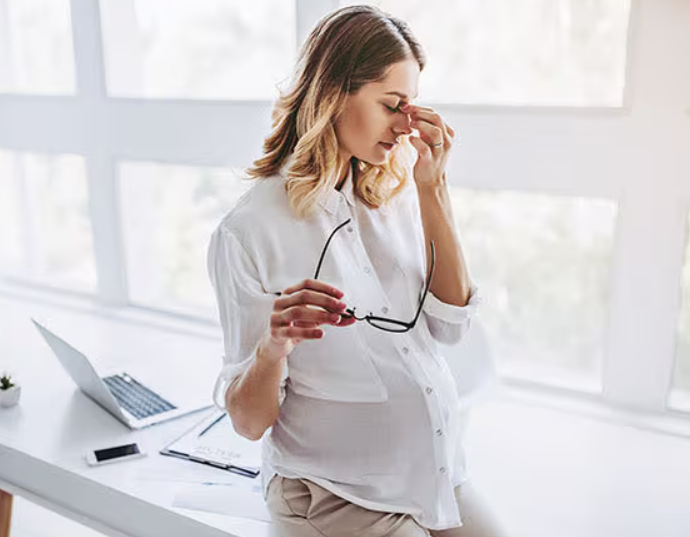
Pregnancy brings many physical changes, and vision can be affected as well. Hormonal shifts and fluid retention during pregnancy can temporarily change how the eyes function.


Temporary vision changes

during pregnancy

Some women notice:

  • Mild blurry vision
  • Increased dryness
  • Changes in contact lens comfort
  • Slight prescription shifts

These changes are often temporary and may resolve after pregnancy.


However, any sudden or significant vision changes should always be evaluated promptly. Severe headaches, light sensitivity, or rapid vision changes may indicate something more serious and require medical attention.


Should you update your glasses during pregnancy?

Because some prescription changes are temporary, many eye doctors recommend waiting to make major changes unless vision is significantly impacted.


If you are pregnant and experiencing discomfort or visual changes, it is important to mention it during your exam so care can be tailored appropriately.


For patients in Howell and nearby communities like Brighton and Hartland, open communication about life stage changes helps ensure care is personalized.

What are the most common eye symptoms women report?


While every patient is different, certain symptoms appear more frequently in women.


Dryness and irritation

Dry eye is one of the most common concerns affecting women’s eye health. Symptoms may worsen:

  • During hormonal shifts
  • In colder Michigan winters
  • With heavy screen use
  • In low-humidity indoor environments

Fluctuating vision

Hormonal changes can sometimes cause subtle shifts in how vision feels throughout the month or during major life transitions.


Contact lens discomfort

Many women who previously wore contacts comfortably may notice increased dryness or irritation at certain stages of life.


If contact lenses suddenly feel less comfortable, it may not be “just you.” An exam can help determine whether lens type, tear quality, or another factor is contributing.

What preventive steps protect women’s eye health?


The good news is that many preventive steps are simple and effective.


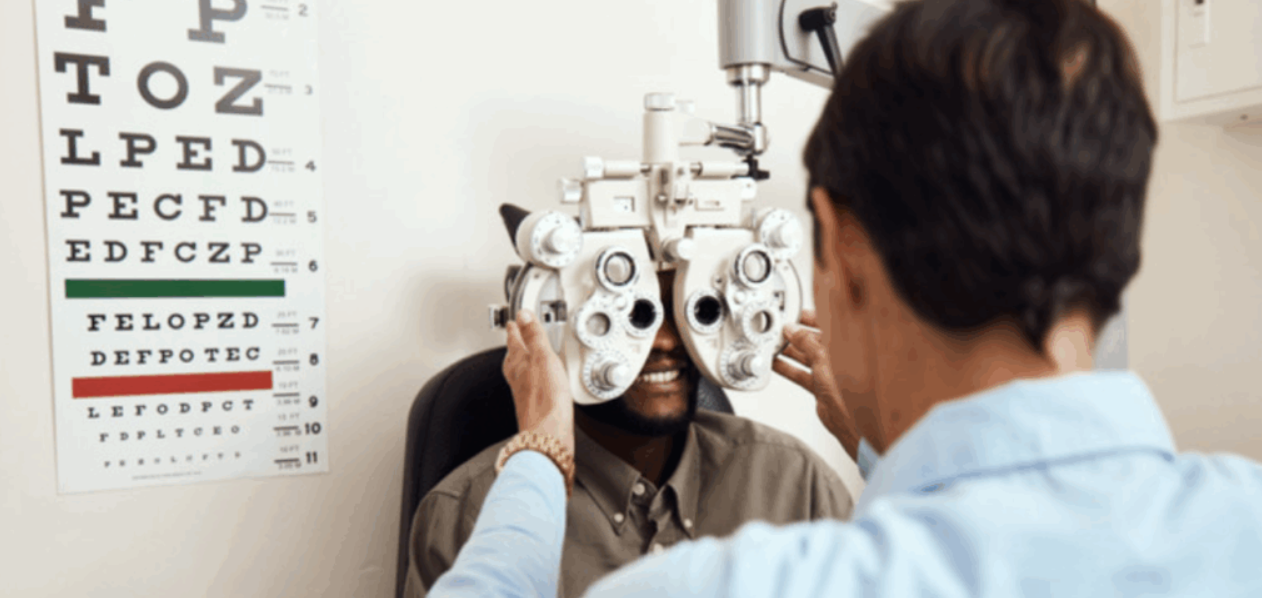
Schedule regular comprehensive eye exams

Routine eye exams are one of the most important preventive tools. They help:

  • Monitor prescription changes
  • Blood pressure and glucose levels
  • Evaluate tear quality
  • Detect early signs of eye disease
  • Track changes related to age or hormonal shifts

Many adults benefit from exams every year, depending on symptoms and risk factors.


Mention hormonal changes during your visit

If you are:

  • Pregnant
  • Postpartum
  • Perimenopausal
  • Menopausal

Sharing this information allows your eye doctor to better understand your symptoms and tailor recommendations.


Support overall health

General health and eye health are closely connected. Helpful habits include:

  • Staying hydrated
  • Managing screen time
  • Eating a balanced diet
  • Protecting eyes from UV exposure outdoors
  • Addressing dryness early rather than ignoring it

Even small steps can improve comfort and reduce long-term risk.

FAQs About Women’s Eye Health


Why do women get dry eye more often than men?

Hormonal changes throughout life can affect tear production and tear quality. This makes dry eye more common in women, especially during pregnancy and menopause.


Can pregnancy permanently change your vision?

Most pregnancy-related vision changes are temporary. However, sudden or severe changes should always be evaluated to rule out underlying issues.


When should women start regular eye exams?

Routine comprehensive eye exams are recommended throughout adulthood. Women experiencing hormonal changes, dryness, or vision shifts may benefit from more frequent evaluations based on their eye doctor’s guidance.

By Sheileen Parracino March 5, 2026
If your eyes feel more tired, dry, or sensitive after the clocks change, you are not imagining it. Daylight Saving Time eye strain is a real concern for many patients, especially when lost sleep combines with increased screen time and busy schedules. This blog is for patients and families in Howell, Brighton, Hartland, Pinckney, and surrounding Livingston County communities who want to understand how sleep disruption affects eye comfort and what simple steps can reduce strain during seasonal schedule shifts.  Below, we’ll explain why sleep matters for eye health, what symptoms to watch for, and how to protect your vision during time changes and other busy seasons.
By Sheileen Parracino March 2, 2026
If your eyes start itching, watering, or looking red every time the weather warms up, you are not alone. Spring eye allergies are common in Michigan and can flare up quickly as pollen counts rise and outdoor time increases. This guide is for patients and families in Howell, Brighton, Hartland, Pinckney, and surrounding Livingston County communities who want to understand why symptoms happen, how to tell the difference between allergies and infection, and what treatment options are available. Below, we’ll break down the most common symptoms, when to try at-home relief, and when it’s time to schedule an appointment for a closer look.