If your eyes feel more tired, dry, or sensitive after the clocks change, you are not imagining it.
Daylight Saving Time eye strain is a real concern for many patients, especially when lost sleep combines with increased screen time and busy schedules.
This blog is for patients and families in Howell, Brighton, Hartland, Pinckney, and surrounding Livingston County communities who want to understand how sleep disruption affects eye comfort and what simple steps can reduce strain during seasonal schedule shifts.
Below, we’ll explain why sleep matters for eye health, what symptoms to watch for, and how to protect your vision during time changes and other busy seasons.
Why does Daylight Saving Time affect your eyes?
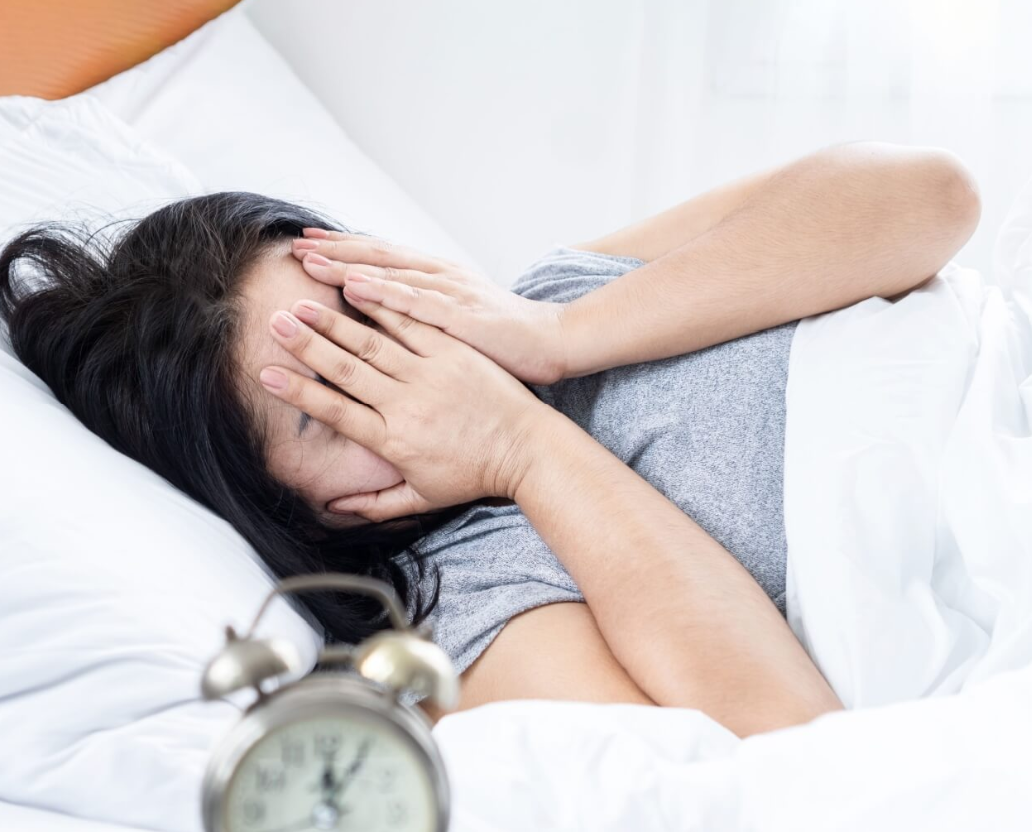
Daylight Saving Time shifts your sleep schedule by an hour, but even small changes can disrupt your body’s internal clock. When sleep is reduced or interrupted, your eyes can feel the effects quickly.
How sleep supports eye health
Sleep is essential for overall health, including your eyes. During rest, your eyes:
- Rehydrate and maintain tear stability
- Recover from screen exposure and light stress
- Reset focusing muscles
- Support healthy circulation
When sleep is shortened, these recovery processes are disrupted.
Why symptoms feel worse during time changes
In the days following a time shift, many patients report:
- Redness
- Dryness
- Eye twitching
- Blurry vision
- Light sensitivity
- Increased screen fatigue
Because schedules are often busier during seasonal transitions, sleep loss may combine with longer screen hours, making symptoms more noticeable.
Can lack of sleep affect your eyes long term?
Occasional poor sleep usually causes short-term discomfort. However, consistently disrupted sleep can contribute to ongoing eye strain and dryness. Like any muscle in your body, the eye muscles need a break too.
Additionally, our eyes heal quickly, cell turnover is important.
Short-term effects of poor sleep
Missing sleep for a few nights may cause:
- Irritation
- Burning or gritty sensation
- Fluctuating blurry vision
- Increased light sensitivity
- Mild headaches
These symptoms often improve once regular sleep patterns return.
Long-term patterns to watch
If sleep disruption becomes frequent, it may contribute to:
- Reduced tear stability
- Chronic dry eye symptoms
- Increased visual fatigue
- Difficulty focusing comfortably
While sleep alone does not typically cause permanent damage, it plays an important role in maintaining comfortable, stable vision.
If you live in Howell or nearby Brighton and feel persistent discomfort beyond a temporary time change, it may be worth scheduling an evaluation.

Why does screen time feel worse during schedule changes?
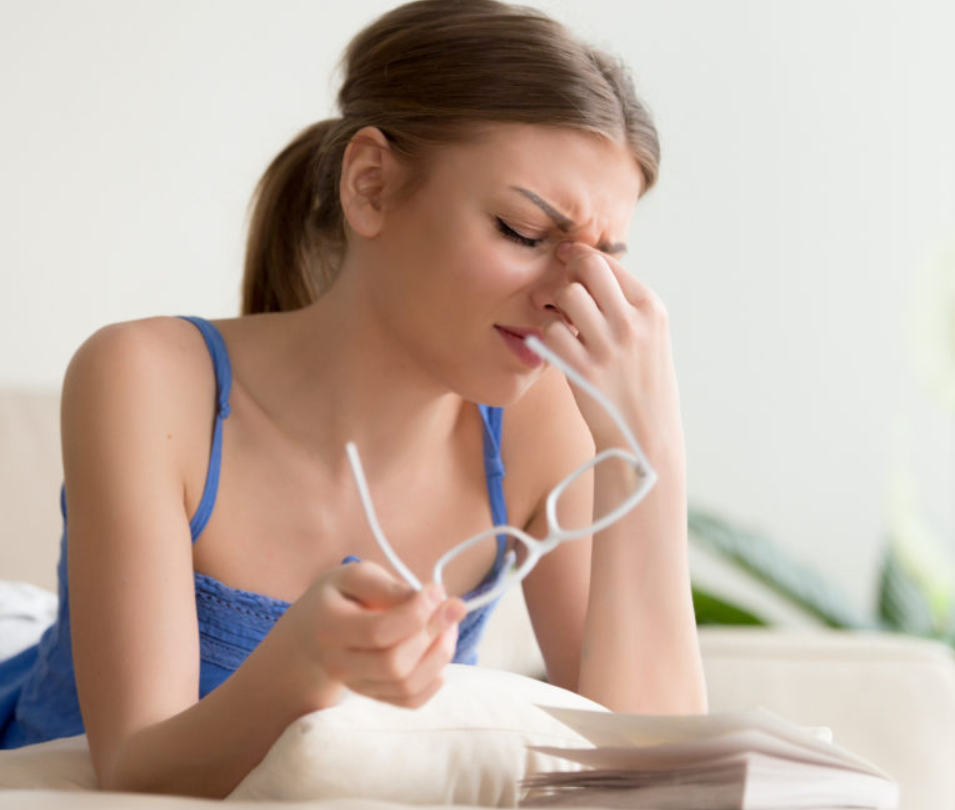
When sleep decreases, screen time often increases. Early mornings, later evenings, and busy routines can lead to more digital exposure while your eyes are already tired.
Reduced blinking increases dryness
When you focus on a screen, you naturally blink less. This can lead to:
- Faster tear evaporation
- Dryness
- Burning
- Temporary blur
If you are already tired, your blinking may slow even further, worsening symptoms.
Eye muscles work harder when fatigued
Your focusing system relies on small muscles that adjust for near work. When you are sleep-deprived, those muscles may feel more strained during:
- Computer work
- Phone use
- Reading
- Driving
This can make digital strain feel more intense during time changes.

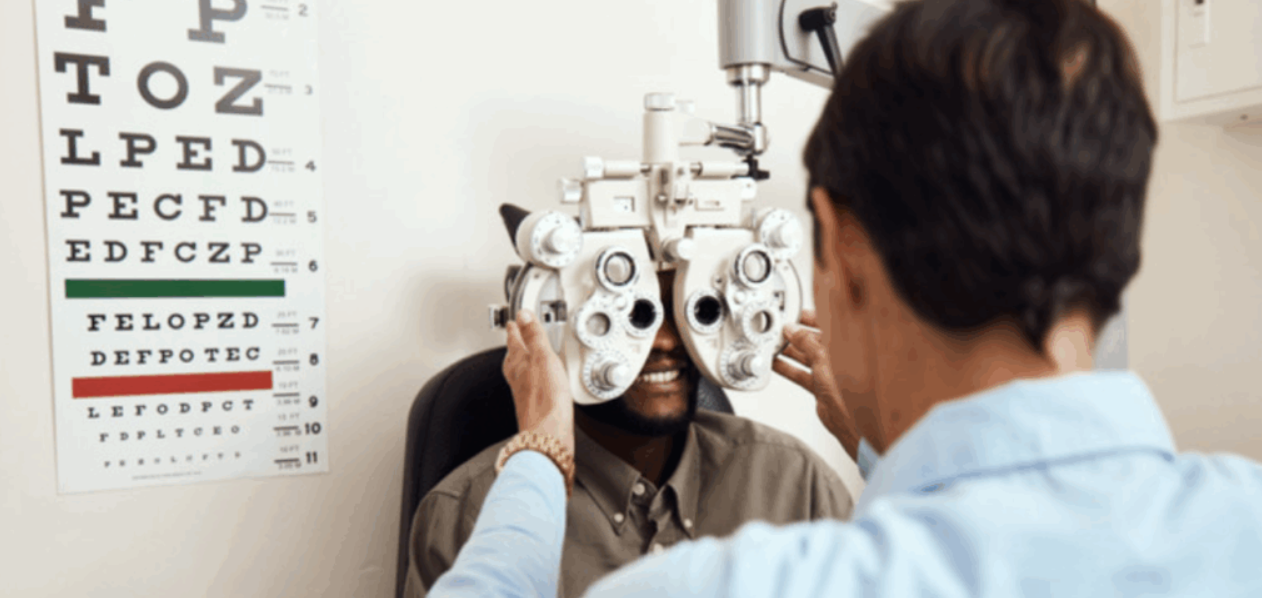
When should you schedule an eye exam?
If symptoms improve after a few days of better rest, no further action may be needed.
However, you should consider an exam if you experience:
- Persistent blurry vision
- Frequent headaches
- Ongoing dryness
- Increased light sensitivity
- Eye strain that does not improve
Sometimes what feels like Daylight Saving Time eye strain may actually be related to:
- An outdated prescription
- Uncorrected astigmatism
- Dry eye syndrome
- Contact lens fit issues
A comprehensive eye exam can help determine whether your prescription or additional support would improve comfort.
Designs For Eyes serves patients throughout Howell and nearby communities with personalized guidance to address both vision and eye comfort concerns.
FAQs About Daylight Saving Time and Eye Health
Can losing one hour of sleep really affect my eyes?
Yes. Even small disruptions in sleep can increase dryness, redness, and visual fatigue, especially when combined with screen use.
Why do my eyes twitch when I am tired?
Eye twitching is often linked to fatigue, stress, or caffeine. It is usually temporary and improves with rest. Often it goes away with stress reduction but if it continues, make an appointment so we can rule out anything neurological.
How long does Daylight Saving Time eye strain last?
For most people, symptoms improve within a few days as the body adjusts. If discomfort persists longer than a week or worsens, an eye exam is recommended.