If your eyes start itching, watering, or looking red every time the weather warms up, you are not alone.
Spring eye allergies are common in Michigan and can flare up quickly as pollen counts rise and outdoor time increases.
This guide is for patients and families in Howell, Brighton, Hartland, Pinckney, and surrounding Livingston County communities who want to understand why symptoms happen, how to tell the difference between allergies and infection, and what treatment options are available.
Below, we’ll break down the most common symptoms, when to try at-home relief, and when it’s time to schedule an appointment for a closer look.
Why do eye allergies flare up in spring?
Spring brings warmer temperatures, blooming trees, and higher pollen levels. While many people enjoy the change in seasons, it can trigger allergy symptoms for others.
What causes allergic reactions in the eyes?
Eye allergies are typically triggered by environmental allergens such as:
- Tree and grass pollen
- Dust
- Pet dander
- Mold spores
When these allergens come into contact with your eyes, your immune system reacts by releasing histamines. Histamines are chemicals that cause inflammation and irritation.
This reaction can lead to:
- Itching
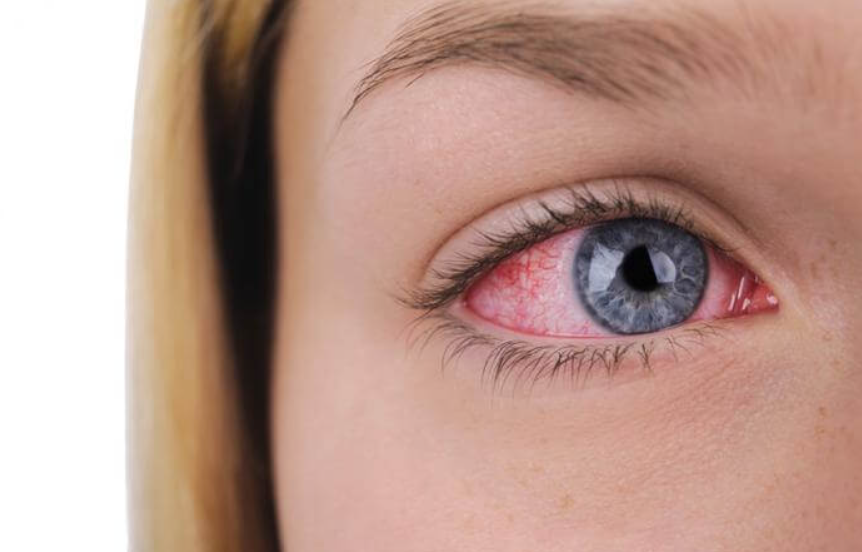
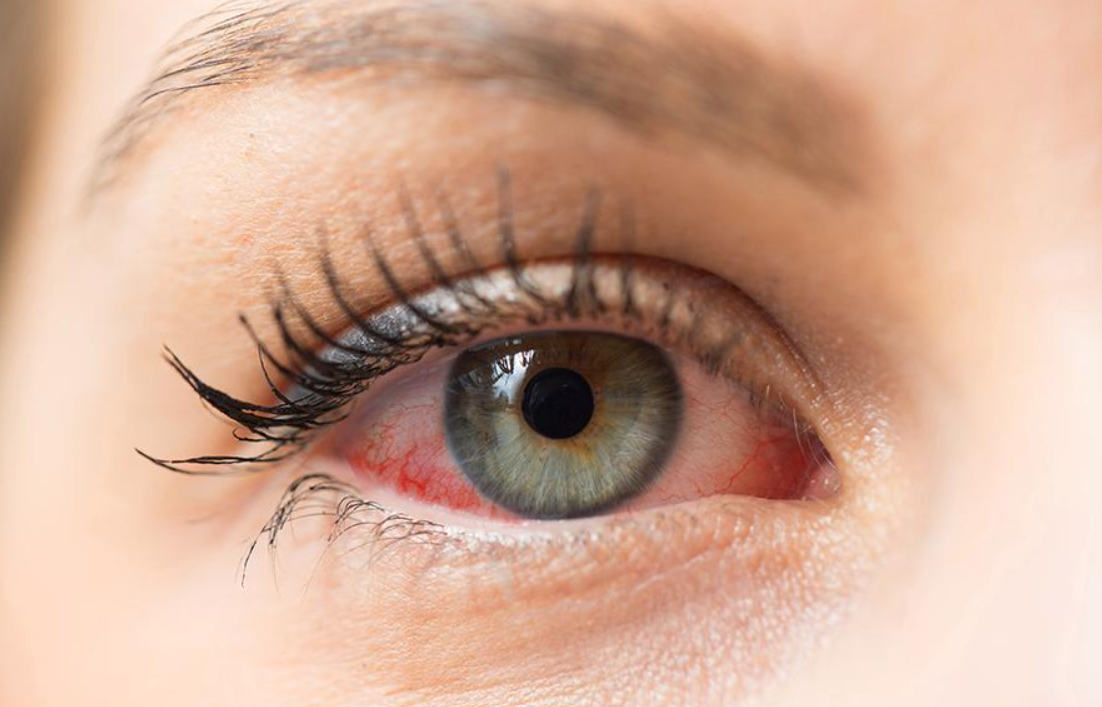
- Redness
- Watering
- Swelling around the eyes
- A burning or gritty sensation
Because pollen levels often spike in the spring, symptoms tend to flare up more during this season, especially on windy days in areas like Howell and Brighton where outdoor exposure is common.
Why both eyes are usually affected
Allergies typically affect
both eyes at the same time because environmental triggers are present in the air. If you notice redness, itching, and watering in both eyes, allergies are often the cause. If symptoms are in one eye only, it may be a viral or bacterial infection.
How can you tell the difference between allergies and an eye infection?
Many patients are unsure whether their symptoms are due to allergies or something more serious. The two can feel similar at first, but there are important differences.
Signs of eye allergies
Allergies often cause:
- Intense itching
- Redness in both eyes
- Clear, watery discharge
- Swollen eyelids
- Symptoms that come and go with outdoor exposure
Itching is a key clue. Allergies are usually very itchy.
Signs of an eye infection
An infection is caused by bacteria or viruses and may present differently.
Infections may cause:
- Thicker discharge
- Crusting around the eyelids
- Swelling
- Light sensitivity
- Pain or discomfort
- Symptoms starting in one eye before spreading to the other
Unlike allergies, infections usually require medical evaluation and targeted treatment.
If you are unsure which one you are dealing with, especially if symptoms are worsening or feel more severe, it is best to schedule an exam. Often ER and Walk-In clinics treat patients incorrectly as this is not their specialized area. Always promptly start with an eye clinic.

What treatments help relieve spring eye allergies?
The best treatment depends on how severe your symptoms are and how often they occur.
At-home relief options
For mild symptoms, many patients start with simple steps such as:
- Avoiding rubbing the eyes
A NuLids treatment (5-15minutes) - Rinsing eyes with preservative-free artificial tears
- Washing hands and eyes frequently after being outdoors
- Blowing your nose (your nose traps allergens and often transfer to the eyes)
- Changing pillowcases often during high pollen seasons
Stop wearing your contact lenses - Using cool compresses to reduce swelling
Over-the-counter allergy eye drops may also help reduce itching and redness. However, not all drops are designed for long-term use, so it is important to follow instructions carefully.
When prescription treatment may help
For more persistent or severe spring eye allergies, prescription drops may be needed. These medications can:
- Reduce inflammation more effectively
- Provide longer-lasting relief
- Target the allergic response directly
If your symptoms keep returning each year or do not improve with basic care, a comprehensive eye exam can help determine the best approach. NuLids sessions may be recommended.
Why do proper exams matter?
If there is any concern that symptoms may be an infection rather than allergies, an exam is essential. Treating an infection with the wrong type of drops can delay healing and worsen irritation.
At Designs For Eyes, patients from Howell, Hartland, and Brighton often come in unsure whether they are dealing with allergies or infection. A proper evaluation helps ensure the treatment matches the cause.

When should you schedule an appointment?
While mild seasonal allergies can often be managed at home, certain symptoms should prompt an in-office evaluation.
You should schedule an appointment if you experience:
- Persistent redness that does not improve
- Eye pain
- Significant light sensitivity
- Stye growth
- Blurry vision
- Thick discharge or crusting
- Swelling that worsens
- Symptoms lasting more than a few days without improvement
It is also wise to book an exam if you:
- Wear contact lenses and feel increasing discomfort
- Are unsure whether it is allergies or infection
- Experience symptoms that interfere with work, driving, or school
Prompt evaluation helps protect both your comfort and your eye health.
This is paragraph text. Click it or hit the Manage Text button to change the font, color, size, format, and more. To set up site-wide paragraph and title styles, go to Site Theme.