
Spring is a natural time to reset routines, and that includes your eyewear.


Proper glasses care and maintenance helps protect your lenses, preserve coatings, and keep your vision as clear as possible.


Many lens scratches and coating issues happen gradually from everyday habits like wiping lenses dry or using the wrong materials.


The good news is that a few simple adjustments can extend the life of your glasses and maintain their clarity.


This guide is for patients and families in Howell, Brighton, Hartland, Pinckney, and surrounding Livingston County communities who want to make sure their glasses stay comfortable, clean, and in great condition all year long.

What cleaning mistakes damage lenses?


Even high-quality lenses can develop scratches or coating wear if they are cleaned improperly.

Wiping lenses when they are dry

One of the most common mistakes is wiping lenses when they are dusty or dry. Tiny particles of dirt can act like sandpaper when rubbed across the surface.


Think of your car and its coatings. It should always be rinsed before shampooed. Otherwise you are grinding dust/dirt into the paint.

Over time, this can cause:

  • Fine scratches
  • Cloudy appearance
  • Reduced clarity
  • Increased glare

Instead, always rinse lenses first when possible.


Using the wrong materials

Avoid cleaning glasses with:

  • Paper towels
  • Tissues
  • Napkins
  • Clothing
  • Household glass cleaners (your lenses are not glass)

These materials may seem harmless, but they can be abrasive or contain chemicals that damage lens coatings.


Using a microfiber cloth and lens-safe cleaner is much safer.

How should you clean your glasses properly?


Safe cleaning habits are simple and effective.


Step-by-step cleaning routine

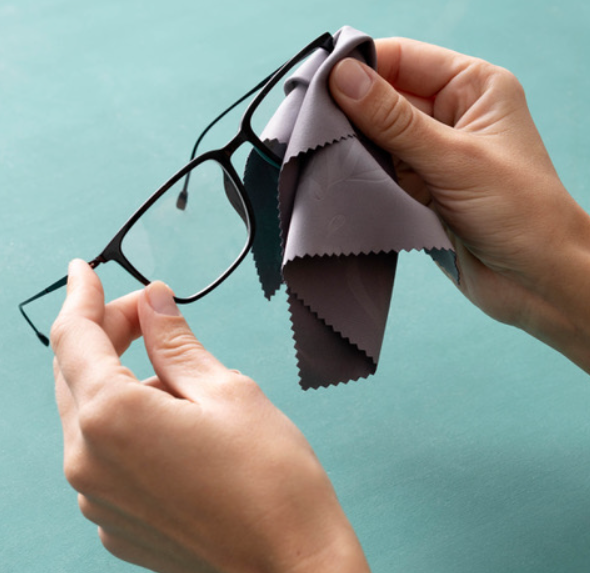
  1. Rinse lenses with lukewarm water to remove dust and debris.
  2. Apply a small amount of lens-safe cleaner.
  3. Gently rub both sides of the lenses.
  4. Dry with a clean microfiber cloth.
  5. Replace microfiber clothes when they stop removing spots and start leaving smudges.

Avoid hot water, which can affect certain coatings.


If you wear glasses daily in Howell’s changing spring weather, pollen and dust may accumulate quickly. Regular gentle cleaning prevents buildup and protects lens clarity.

Are certain lens coatings more delicate?


Modern lens coatings are designed to be durable, but they still require thoughtful care.

Anti-reflective and Mirror coatings

AR and Mirror coatings reduce glare and improve clarity, especially for astigmatism,brightness, driving, and screen use. However, they can be sensitive to harsh chemicals or abrasive clothes.

Improper cleaning can cause:

  • Peeling
  • Smudging that won’t wipe away
  • Hazy patches

Specialty coatings

Blue light filtering and other specialty treatments are also durable but benefit from consistent, careful cleaning.


With proper glasses care and maintenance, most coatings will hold up well for everyday use.

If you are unsure how to care for your specific lenses, your Optician can provide personalized guidance.


How should you store your glasses?


Storage habits are just as important as cleaning.


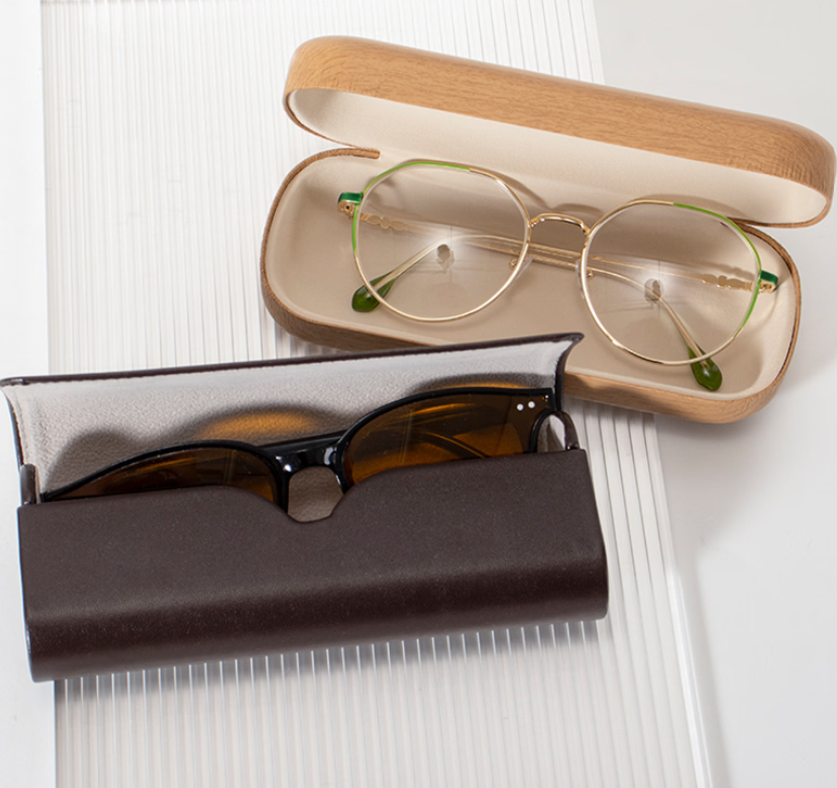
Use a protective case

When not wearing your glasses:

  • Store them in a hard protective case
  • Avoid leaving them loose in bags or pockets
  • Keep them away from heat sources

Leaving glasses on a car dashboard during warmer spring days in Michigan can expose lenses to excessive heat, which may affect coatings.


Place them lens-side up

When setting glasses down briefly, place them with the lenses facing upward to prevent surface scratches.


These small habits help maintain clarity and prevent unnecessary wear.

When should you replace lenses instead of cleaning them?


Sometimes cleaning is not enough.


You may need new lenses if you notice:

  • Persistent haze
  • Peeling coatings
  • Deep scratches
  • Reduced clarity even after cleaning

In some cases, patients believe their prescription has changed when the issue is actually coating damage.


An evaluation can determine whether updated lenses or a new prescription is needed.

Designs For Eyes supports patients throughout Howell and nearby communities with lens updates, adjustments, and professional cleaning recommendations.

FAQs About Glasses Care and Maintenance


Can I use household glass cleaner on my glasses?

No. Household cleaners often contain ammonia or other chemicals that can damage lens coatings.


How often should I clean my glasses?

Daily cleaning is recommended for most patients, especially if glasses are worn throughout the day.


Why do my lenses look cloudy even after cleaning?

Cloudiness may be caused by coating wear or scratches rather than dirt. An eye care professional can evaluate whether lenses need replacement.

By Sheileen Parracino March 24, 2026
If you have diabetes, protecting your vision should be part of your long-term care plan. Diabetes and eye health are closely connected, and changes in the eyes can develop before you notice any symptoms. Many forms of diabetic eye disease begin silently. That is why annual comprehensive eye exams are so important. Early detection allows for monitoring and treatment before vision is affected.  This guide is for patients in Howell, Brighton, Hartland, Pinckney, and surrounding Livingston County communities who want to understand how diabetes affects the eyes and why consistent exams matter.
By Sheileen Parracino March 19, 2026
Spring is a natural time to reset routines, and that includes your vision care. If it has been a year or more since your last exam, it may be time to update glasses prescription to ensure your vision stays clear and comfortable. Even small prescription changes can affect daily activities like driving, reading, and screen use. Many adults adjust gradually to subtle vision shifts without realizing how much clearer things could be. It’s called muscle memory.  This guide is for patients in Howell, Brighton, Hartland, Pinckney, and surrounding Livingston County communities who want to understand how often prescriptions should be updated, what symptoms to watch for, and why routine exams matter beyond just seeing clearly.