
If you have diabetes, protecting your vision should be part of your long-term care plan.


Diabetes and eye health are closely connected, and changes in the eyes can develop before you notice any symptoms.


Many forms of diabetic eye disease begin silently. That is why annual comprehensive eye exams are so important. Early detection allows for monitoring and treatment before vision is affected. 


This guide is for patients in Howell, Brighton, Hartland, Pinckney, and surrounding Livingston County communities who want to understand how diabetes affects the eyes and why consistent exams matter.

How does diabetes affect the eyes?


Diabetes can impact the small blood vessels throughout the body, including those in the retina. The retina is the light-sensitive tissue at the back of the eye that allows you to see clearly.


When blood sugar levels are elevated over time, these delicate blood vessels may:

  • Leak fluid
  • Swell
  • Become blocked
  • Grow abnormally

These changes can lead to diabetic eye disease, including diabetic retinopathy.


The important thing to remember is that early stages may not cause noticeable symptoms. Vision can seem completely normal while changes are developing.

How early can diabetic eye disease develop?


Diabetic eye disease can begin in the early stages of diabetes, sometimes even before vision changes occur.


That is why annual monitoring is recommended, even if:

  • Your vision feels stable
  • You recently received a new prescription
  • You are managing your blood sugar well

Good blood sugar control significantly reduces risk, but it does not eliminate the need for regular exams.


Patients in Howell and nearby Brighton often ask if they can skip exams when they feel fine. Because early changes are not always noticeable, routine monitoring remains essential.

What tests detect diabetic eye disease?


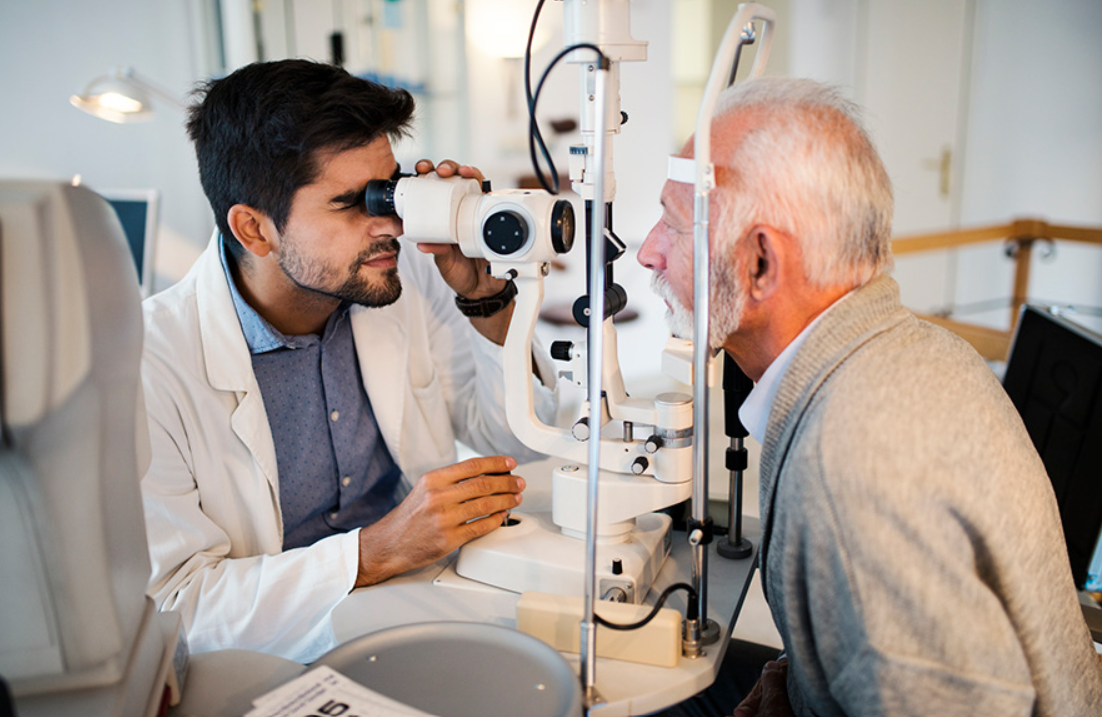
A comprehensive eye exam for someone with diabetes goes beyond checking visual clarity.

Your eye doctor will:

  • Evaluate visual acuity
  • Examine the retina
  • Assess blood vessel health
  • Look for swelling or early signs of leakage

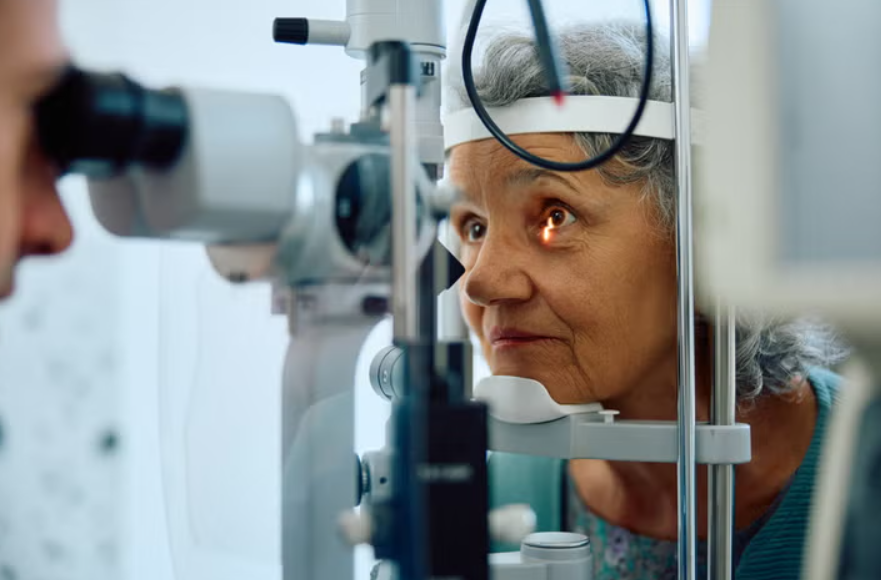
A detailed examination which may include a dilation and/or photos of the back of the eye allows a bigger more detailed view and detection of subtle changes before symptoms appear.


The goal is early identification. Catching changes at the earliest stage often allows for better management and preservation of vision.


What symptoms should you never ignore?

While early stages may not cause symptoms, more advanced changes can lead to:

  • Blurry or fluctuating vision
  • Dark spots or floaters
  • Difficulty seeing at night
  • Areas of missing vision

If you experience sudden changes, schedule an evaluation immediately.

Even if symptoms seem mild, they deserve attention. Prompt care supports better long-term outcomes.

How often should someone with diabetes have an eye exam?


For most patients with diabetes, annual comprehensive eye exams are highly recommended.


Your eye doctor may recommend more frequent monitoring if:

  • Retinal changes are detected
  • Blood sugar control is inconsistent
  • Other risk factors are present

Patients in Hartland and Pinckney often coordinate eye exams with primary care visits as part of a broader health plan.

Consistency is more important than waiting for symptoms.


FAQs About Diabetes and Eye Health


Can I have diabetic eye disease without blurry vision?

Yes. Early stages often have no noticeable symptoms. That is why routine exams are critical.


If my blood sugar is controlled, do I still need annual exams?

Yes. Good control lowers risk, but regular monitoring is still recommended to detect any early changes.


What happens if changes are found?

If early changes are detected, your eye doctor will recommend appropriate follow-up and coordinate care as needed to protect your vision.


By Sheileen Parracino March 22, 2026
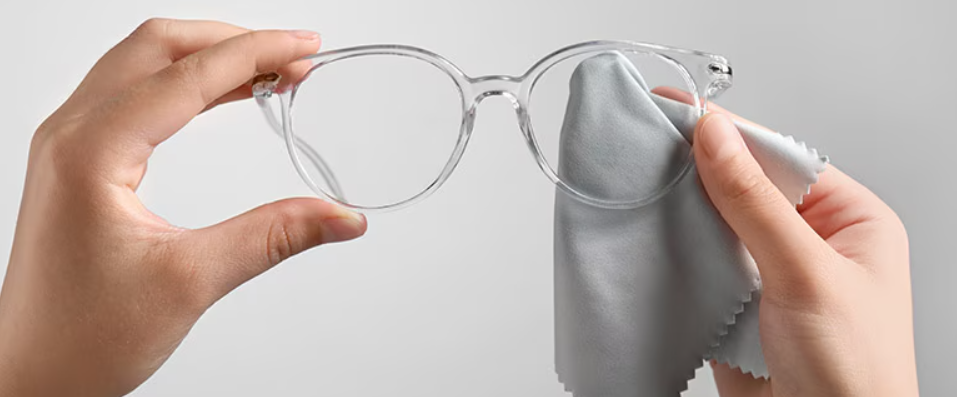
Spring is a natural time to reset routines, and that includes your eyewear. Proper glasses care and maintenance helps protect your lenses, preserve coatings, and keep your vision as clear as possible. Many lens scratches and coating issues happen gradually from everyday habits like wiping lenses dry or using the wrong materials. The good news is that a few simple adjustments can extend the life of your glasses and maintain their clarity.  This guide is for patients and families in Howell, Brighton, Hartland, Pinckney, and surrounding Livingston County communities who want to make sure their glasses stay comfortable, clean, and in great condition all year long.

By Sheileen Parracino March 19, 2026
Spring is a natural time to reset routines, and that includes your vision care. If it has been a year or more since your last exam, it may be time to update glasses prescription to ensure your vision stays clear and comfortable. Even small prescription changes can affect daily activities like driving, reading, and screen use. Many adults adjust gradually to subtle vision shifts without realizing how much clearer things could be. It’s called muscle memory.  This guide is for patients in Howell, Brighton, Hartland, Pinckney, and surrounding Livingston County communities who want to understand how often prescriptions should be updated, what symptoms to watch for, and why routine exams matter beyond just seeing clearly.