

Spring break often means a change in routine.


Bedtimes shift, outdoor time varies, and for many families, screen use increases. When devices start replacing school structure and regular schedules, screen time and eye strain can quickly become a concern for both kids and adults.


The good news is that most digital discomfort is preventable. Simple habits, proper lighting, and regular eye exams can make a meaningful difference.


This guide is for families in Howell, Brighton, Hartland, Pinckney, and surrounding Livingston County communities who want practical, balanced advice on managing screen use during school breaks while keeping eyes comfortable and healthy.

How does increased screen time affect your eyes?


Digital devices require our eyes to focus up close for long periods. Unlike reading a book, screens often reduce how often we blink and increase exposure to glare and brightness.


When screen time increases during spring break, common symptoms may include:

  • Headaches
  • Tired or heavy eyes
  • Blurry vision
  • Dryness or burning
  • Light sensitivity
  • Difficulty refocusing after looking up

Why blinking matters

When we use phones, tablets, or laptops, we tend to blink less frequently and less fully. Blinking helps spread tears evenly across the surface of the eye. Without consistent blinking, dryness increases.


Children may not always recognize or describe discomfort clearly. Instead, you might notice:

  • Rubbing their eyes
  • Moving closer to screens
  • Complaining of headaches
  • Avoiding reading

If screen time and eye strain are happening frequently, it may signal the need for better habits or an updated prescription.

What are safe screen time limits during spring break?


There is no single number that works for every family. Balance is more important than strict limits.


For children

Consider:

  • Age-appropriate screen use
  • Frequent breaks from close-up work
  • Time outdoors each day
  • Movement between activities
    Breaks between kids shows (typically 30min.)


A helpful guideline for all ages is the 20-20-20 rule:
Every 20 minutes, look at something 20 feet away for at least 20 seconds.

This allows the focusing muscles to relax and reduces fatigue.


For adults

Parents are not immune to digital eye strain. Remote work, travel planning, and entertainment can all increase screen exposure.

Adults benefit from:

  • Adjustable screen brightness
  • Reducing glare from windows
  • Maintaining proper viewing distance
  • Avoiding screens immediately before bedtime (1 hour plus is best)

If symptoms persist even after improving habits, a comprehensive eye exam can help determine whether an updated prescription would improve comfort.

Do blue light lenses help children?


This is a common question, especially when families notice more device use.

Blue light lenses may help some children feel more comfortable during extended screen time and help keep their sleeping patterns aligned. However, it is important to understand that blue light is not the only cause of discomfort.


Digital eye strain often results from:

  • Reduced blinking
  • Prolonged close focus
  • Poor lighting
  • Screen glare
  • Incorrect prescription
  • Improper Posture


Blue light lenses can be one part of a broader comfort strategy. They are not a replacement for healthy screen habits or routine eye exams.


For families in Howell and nearby Brighton, the most effective approach usually includes:

  • Good lighting
  • Regular breaks
  • Proper posture
  • Updated vision correction
  • Hydration 


An eye doctor can help determine whether blue light filtering lenses would provide meaningful benefit for your child.

How can families reduce digital eye strain during spring break?


Small changes can make a big difference.


Encourage regular movement

Break up screen sessions with:

  • Outdoor play
  • Family walks
  • Reading physical books
  • Hands-on activities

Spring break is a great opportunity to balance digital entertainment with time outside.


Adjust the environment

Make sure:

  • Screens are at eye level or slightly lower
  • Lighting is not overly dim or bright
  • Glare from windows is minimized
  • Devices are not held too close

For children using tablets, maintaining a comfortable distance is important. Devices should not be closer than about arm’s length when possible.


Watch for warning signs

Schedule an eye exam if your child experiences:

  • Frequent headaches
  • Blurry vision
  • Squinting
  • Eye rubbing
  • Avoidance of near tasks
  • Fatigue and irritability

These symptoms may indicate more than temporary strain.

FAQs About Screen Time and Eye Strain


Can too much screen time permanently damage my child’s eyes?

Current research does not show that normal device use permanently damages eyes. However, excessive close-up work without breaks can contribute to discomfort and may play a role in increasing nearsightedness in some children.  Doctors and Clinics are very focused on Myopia Management.  This is a program designed to slow the shift in nearsightedness.


Are tablets worse than computers?

The device matters less than how it is used. Smaller screens may encourage holding devices closer, which increases focusing demand. Breaks and proper distance are key.


How often should children have eye exams?

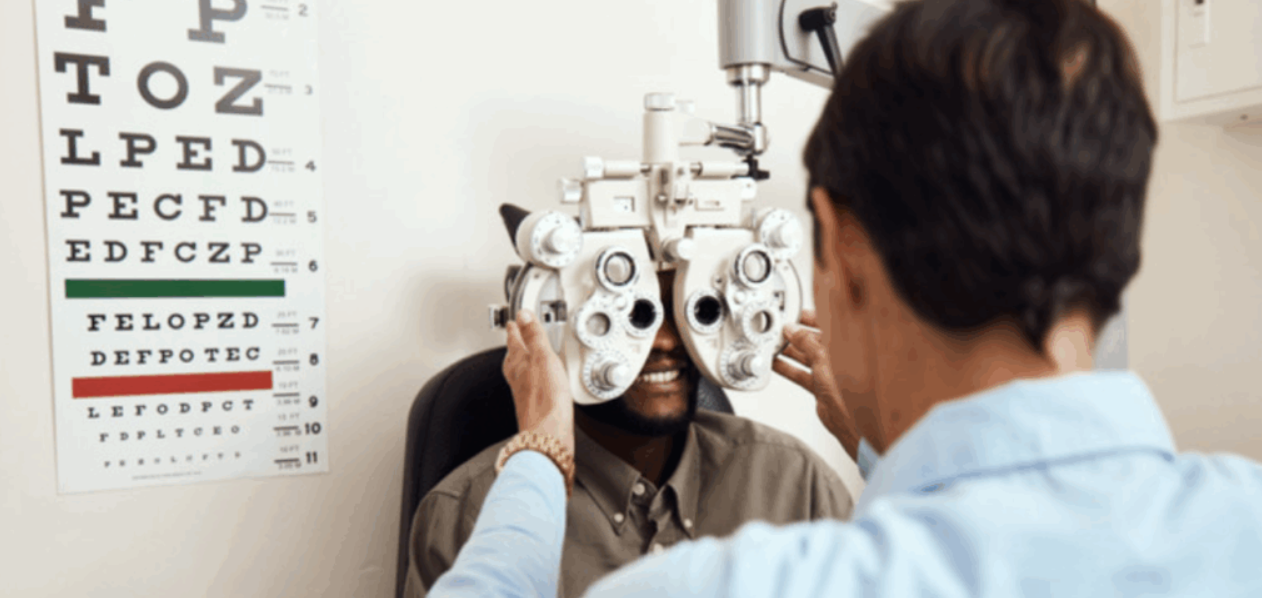
Most children benefit from routine comprehensive eye exams, even if they do not complain about vision problems. Kids often assume what they see is normal and may not report subtle changes. If they’re growing vertically, their eyes are growing as well, which contribute to vision changes. 

By Sheileen Parracino March 12, 2026
If your eyes feel itchier, drier, or more irritated every spring, you may notice your contact lenses suddenly feel uncomfortable too. Contacts during allergy season can be more challenging because pollen and other allergens increase dryness and debris buildup on lenses. This guide is for patients in Howell, Brighton, Hartland, Pinckney, and surrounding Livingston County communities who wear contact lenses and want to know how to stay comfortable during peak allergy months.  Below, we’ll explain why allergies affect contact lens wear, when switching lens types may help, and when it is safest to take a break from contacts altogether.
By Sheileen Parracino March 10, 2026
As the weather warms up in Michigan, many people reach for their sunglasses without thinking twice about how well they actually protect their eyes. Not all sunglasses are created equal. UV protection sunglasses are essential for shielding your eyes from harmful ultraviolet rays, and dark lenses alone are not enough. This guide is for patients and families in Howell, Brighton, Hartland, Pinckney, and surrounding Livingston County communities who want to understand what proper UV protection means, how to tell if their sunglasses are safe, and whether polarized lenses are worth it.  Below, we’ll explain what to look for on labels, why UV exposure matters year-round, and how to choose sunglasses that truly protect your vision.