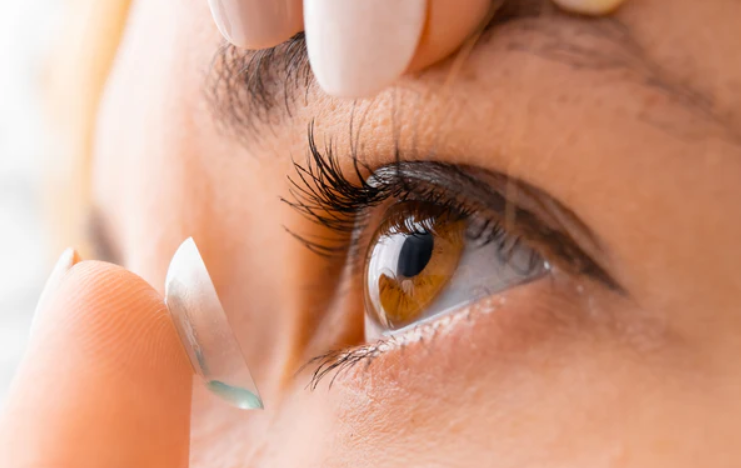
If your eyes feel itchier, drier, or more irritated every spring, you may notice your contact lenses suddenly feel uncomfortable too.
Contacts during allergy season can be more challenging because pollen and other allergens increase dryness and debris buildup on lenses.
This guide is for patients in Howell, Brighton, Hartland, Pinckney, and surrounding Livingston County communities who wear contact lenses and want to know how to stay comfortable during peak allergy months.
Below, we’ll explain why allergies affect contact lens wear, when switching lens types may help, and when it is safest to take a break from contacts altogether.
Why do contact lenses feel worse during allergy season?
Spring allergies can affect your eyes even if you have never had major symptoms before. Pollen, dust, and other airborne irritants increase inflammation on the surface of the eye.
When you wear contacts during allergy season, those irritants can:
- Stick to the surface of the lens
- Increase dryness
- Trigger itching
- Cause redness
- Make lenses feel gritty or uncomfortable
Because contact lenses sit directly on the eye, they can trap allergens against the surface, worsening irritation. They also reduce oxygen intake.
Dryness plays a big role
Allergies often reduce tear stability. Tears help keep lenses comfortable and clear. When tear quality decreases, lenses may feel:
- Scratchy
- Dry
- Less stable
- Blurry at times
If your contacts suddenly feel less comfortable in Howell’s spring weather, allergies may be contributing.
Should you switch lens types during allergy season?
For some patients, a temporary switch into a lens the doctor has prescribed as a second option, may improve seasonal discomfort.
Why daily disposable lenses can help
Daily disposable lenses provide a fresh, clean lens every day. This reduces the chance of pollen and debris building up over time.
Many patients find that daily lenses:
- Feel cleaner
- Reduce irritation
- Improve overall comfort
- Lower the risk of allergen accumulation
Are more convenient
If you currently wear biweekly or monthly lenses and struggle every spring, it may be worth discussing daily disposables with your eye doctor.
Not every patient needs to switch
Some patients manage allergy symptoms successfully by:
- Using allergy eye drops recommended by their doctor
- Increasing artificial tear use
- Limiting outdoor exposure during high pollen days
- Cleaning lenses carefully as directed
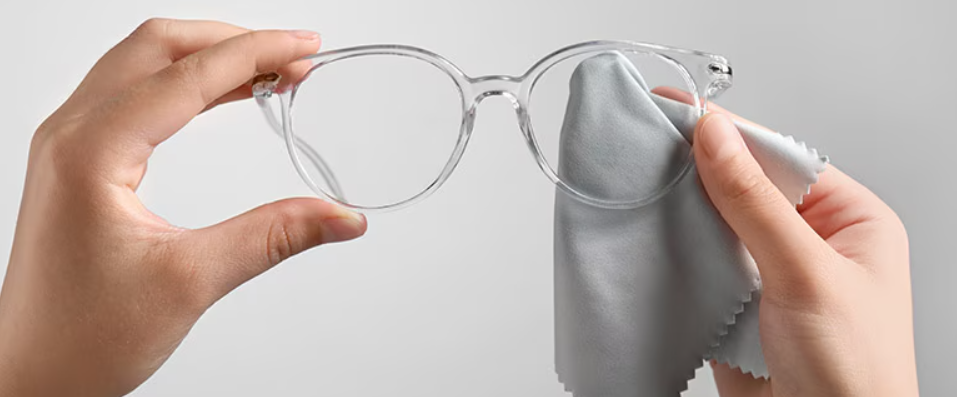
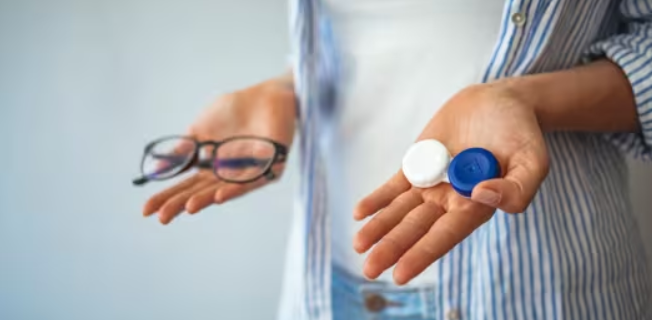
- Give your eyes a break and wear your glasses
The best approach depends on the severity of your symptoms and your eye health history.
Patients in Brighton and Hartland often ask whether a temporary seasonal change makes sense. An eye exam can help determine whether switching lenses would improve comfort.

When should you stop wearing contacts altogether?
There are times when continuing contact lens wear is not recommended.
You should avoid wearing contacts if you experience:
- Red, painful eyes
- Thick discharge
- Light sensitivity
- Significant swelling
- Blurry vision that does not clear
- Suspected eye infection
Wearing contacts during active irritation or infection can worsen symptoms and delay healing. If an eye infection is diagnosed, NEVER go back to that previously used contact, toss it!
If your eyes feel more than mildly irritated, switching to glasses and scheduling an appointment is the safest step.

How can you reduce irritation while wearing contacts?
If your symptoms are mild and you want to continue wearing lenses, there are ways to reduce discomfort.
Use preservative-free artificial tears
Lubricating drops can help flush allergens and support tear stability. Make sure they are labeled safe for contact lens use.
Avoid rubbing your eyes
Rubbing can increase inflammation and may cause lenses to shift or trap more debris.
Wash hands thoroughly
Cleaning your hands before inserting or removing lenses helps reduce contamination.
Monitor pollen levels
On high pollen days in Livingston County, consider limiting lens wear time or switching to glasses if discomfort increases.
Follow replacement schedules strictly
Do not extend wear beyond the recommended schedule. Extending lens use can increase buildup and irritation.
FAQs About Contacts During Allergy Season
Can I wear contacts if I have mild allergy symptoms?
If symptoms are mild and there is no pain or infection, you may be able to continue wearing lenses with supportive care. However, persistent discomfort should be evaluated.
Are daily contacts better for allergies?
Daily disposable lenses can reduce allergen buildup and may improve comfort for many patients during peak allergy season.
Should I switch to glasses for the whole spring?
Not necessarily. Some patients only need temporary adjustments. If symptoms are severe or ongoing, your eye doctor can guide the safest plan.