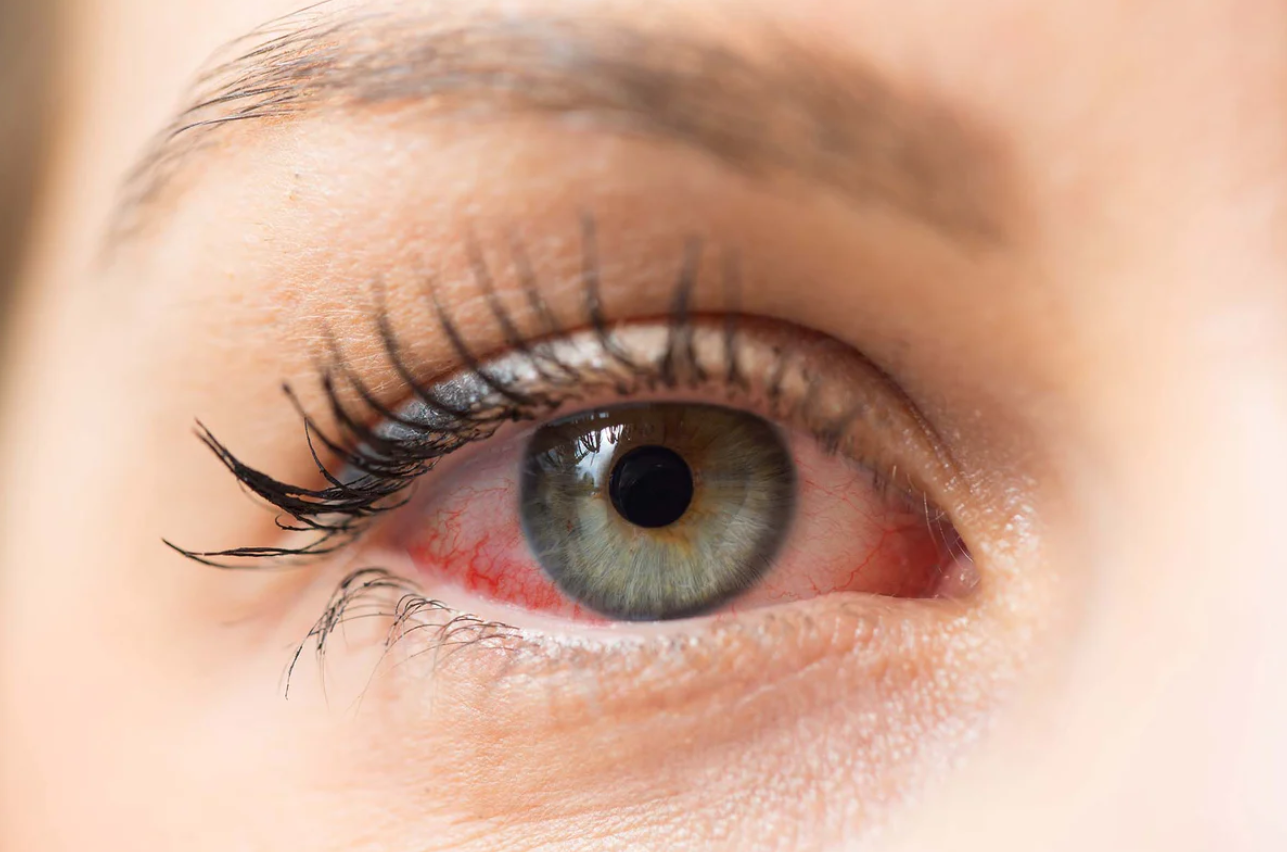
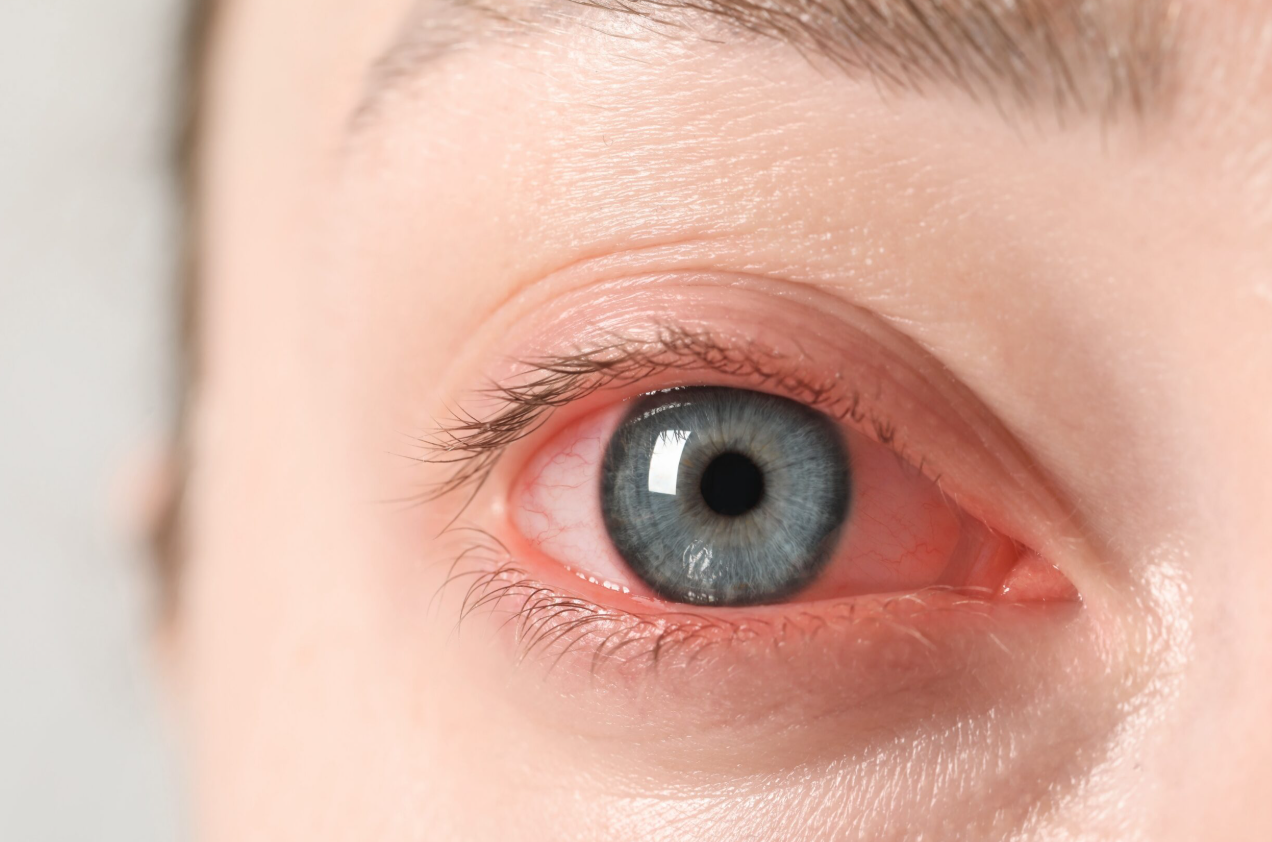
If your eyes are red, irritated, or watering, it can be difficult to know what’s causing the problem.
Many patients search for answers about dry eye vs allergies because the symptoms often look similar at first.
The key difference is that dry eye is usually related to tear quality and evaporation, while allergies are triggered by environmental irritants like pollen, dust, or pet dander. Treating one condition as the other can delay relief.
This guide is for patients and families in
Howell, Brighton, Hartland, Pinckney, and surrounding Livingston County communities who want to better understand their symptoms and know when to schedule an eye exam.
What symptoms overlap between dry eye and allergies?
Both conditions can cause:
- Redness
- Irritation
- Burning
- Watering
- Blurry vision that comes and goes
- Sensitivity to light
Because these symptoms overlap, it’s common for patients to assume they have allergies when the issue may actually be dry eye, or vice versa.
Watering eyes, for example, do not always mean you have enough tears. In dry eye, reflex tearing can occur when the surface of the eye becomes irritated.
Understanding the pattern of your symptoms helps narrow down the cause.
How can you tell if it’s dry eye?
Dry eye is typically related to poor tear quality or increased tear evaporation. It often develops gradually and may worsen with certain activities.
Signs that suggest dry eye:
- Symptoms are worse later in the day
- Discomfort increases during screen time
- Eyes feel gritty or sandy
- Fluctuating vision
- Symptoms worsen in windy or dry environments
- Artificial tears provide temporary relief
Patients in Howell and nearby Brighton often notice dry eye symptoms during colder months when indoor heating reduces humidity.
However, dry eye can occur year-round.
Dry eye may also become more common with age, medication intake, hormonal changes, or increased digital device use.

How can you tell if it’s allergies?
Allergies are triggered by environmental factors such as pollen, dust, mold, or pet dander. They are often seasonal, especially in the spring.
Signs that suggest allergies:
- Intense itching
- Clear, watery discharge
- Symptoms affect both eyes equally
- Sneezing or nasal congestion at the same time
- Symptoms worsen outdoors
Itching is one of the strongest indicators of allergies. Dry eye can cause irritation and burning, but persistent itching is more commonly linked to allergic reactions.
Patients in Hartland and Pinckney may notice symptoms flare up when pollen counts rise during spring.

What treatments are typically recommended?
Treatment depends on the diagnosis.
For dry eye:
- Lubricating eye drops
- Lifestyle adjustments
- Managing screen time
- Addressing underlying inflammation
- NuLids eyelid treatment
For allergies:
- Avoiding triggers when possible
- Allergy-specific eye drops
- Limiting outdoor exposure during high pollen days
If both are present, treatment may include a combination of strategies.
The goal is not just temporary relief but long-term comfort and eye health.
FAQs About Dry Eye vs Allergies
Can dry eye cause watery eyes?
Yes. When the eye surface becomes irritated, it may produce reflex tears. These tears do not always provide lasting moisture, so eyes can feel both watery and dry.
Are allergy drops safe to use if I’m not sure what I have?
It’s best to confirm the cause first. Using the wrong type of drop may not relieve symptoms and could delay proper treatment.
When should I schedule an eye exam?
If symptoms are persistent, worsening, or interfering with daily activities like reading, driving, or screen use, scheduling a comprehensive exam is recommended.