If you’re scheduling your child’s first eye appointment, it’s normal to wonder what will happen and how your child will respond.


The good news is that pediatric eye exams are designed to be gentle, kid-friendly, and age-appropriate, with the goal of checking vision clearly while keeping the experience comfortable.


This guide is for parents and caregivers in Hartland, Howell, Brighton, Pinckney, and nearby Livingston County communities who want to feel prepared and confident before their child’s visit.


 If you’ve been searching for pediatric eye exams at Hartland MI, you’ll find clear answers here about what the appointment includes and what you can do ahead of time.


Below, we’ll explain what tests may be used at different ages, how to prepare your child, and why routine exams matter even when kids don’t complain about their vision.

What happens at a pediatric eye exam?


A pediatric eye exam is more than just reading letters on a chart. Your child’s appointment is designed to check:

  • How clearly they see
  • How well their eyes work together
  • Whether they can focus comfortably
  • Overall eye health

Many parents are surprised by how much can be learned from an exam, even when a child seems to be seeing fine.


A calm, kid-friendly start

Most visits begin with simple questions and a quick review of your child’s history, such as:

  • Any vision concerns you’ve noticed
  • Headaches or eye strain complaints
  • School performance or reading challenges
  • Family history of glasses or eye conditions
  • Whether your child currently wears glasses

If your child is nervous, that’s okay. The goal is always to keep the environment relaxed and positive.


Vision testing that fits your child’s age

The eye doctor checks how clearly your child sees, but the testing method changes based on their age and comfort level. Younger kids often do better with pictures or simple matching tests. Older children may use letter charts or more detailed testing.


Checks for focusing and eye teamwork

Seeing clearly isn’t only about sharp vision. Kids also need their eyes to work together comfortably for reading, schoolwork, and screens.


Depending on your child’s age and symptoms, the doctor may check:

  • Eye alignment (whether the eyes point and move together)
  • Tracking (how smoothly the eyes follow objects)
  • Focusing ability (how well your child can see near tasks)

These are important because kids can struggle even if distance vision seems normal.


Overall eye health evaluation

A pediatric exam also includes checking eye health. This helps confirm the eyes are healthy and functioning well, and it can catch early concerns that might not show obvious symptoms.

What tests are used for different ages?


One of the most common parent questions is: “How do you even test a young child’s vision?”

The answer is reassuring. Pediatric exams are flexible.


The eye doctor chooses tests based on your child’s age, development, and comfort.


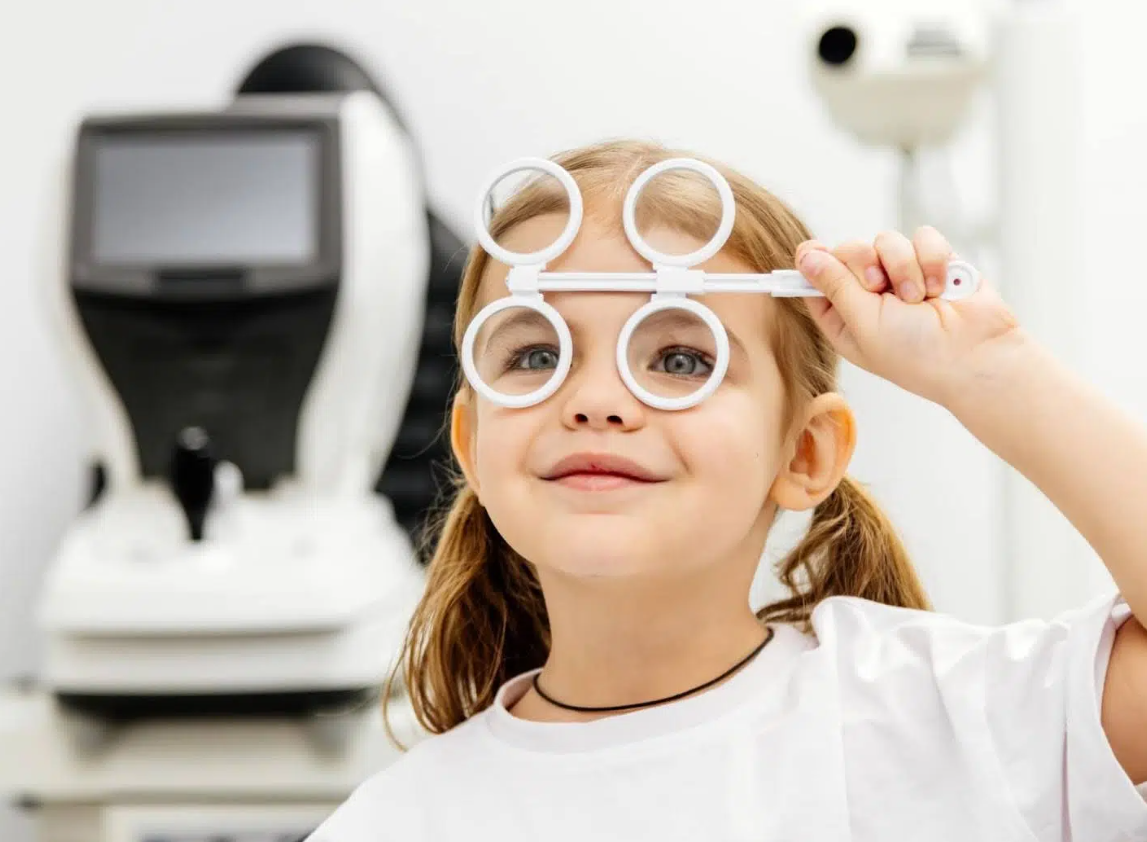
For toddlers and preschoolers

For very young children, the exam often includes:

  • Picture-based or symbol vision testing
  • Checking how the eyes align and move
  • Evaluating how well each eye sees
  • Looking for early signs of crossing, drifting, or imbalance

Even if a child cannot read letters yet, the doctor can still learn a lot about how their vision is developing. Doctors can shine a light into the eye and determine if it’s landing in the correct location, if not, they may require a prescription. 


For school-age kids

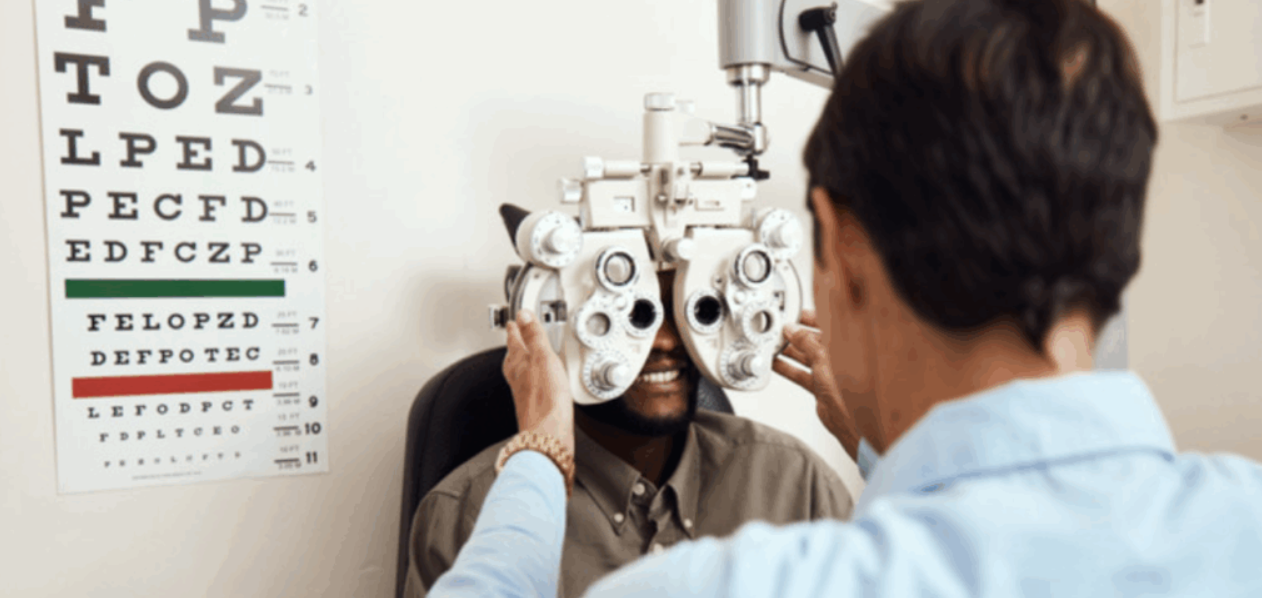
School-age children usually complete more detailed testing, including:

  • Vision testing for both distance and near
  • Prescription checks to see if glasses would help
  • Eye coordination and focusing evaluation
  • Eye health screening

This age group is especially important because school places heavier demands on vision.


Reading, writing, and screen use can reveal problems that were not noticeable earlier.


For teens

Teens often have increased screen time, more school workload, and sports or driving goals. Exams may focus more on:

  • Comfort during close-up tasks
  • Changes in prescription over time
  • Contact lens interest (if appropriate)
  • Symptoms like headaches or blurry vision after long days

For families in busy communities like Hartland, Howell, Brighton, Pinckney, and nearby Livingston County communities, teens often push through symptoms without mentioning them, so routine visits are helpful.

How can parents prepare kids for an eye exam?


Preparing your child does not have to be complicated. In fact, the best approach is usually the simplest.


Keep it positive and age-appropriate

Try using simple language like:

  • “The eye doctor is going to check how your eyes are working.”
  • “You’ll get to look at pictures and lights.”
  • “It doesn’t hurt.”
  • Being in their parents eye exam prior to their eye exam

Avoid building it up as something scary or serious, especially for younger kids.


Schedule at a good time of day

Kids tend to do best when they are:

  • Well-rested
  • Not hungry
  • Not rushed

If possible, avoid scheduling when your child is usually tired or overwhelmed.


Bring glasses (if your child already has them)

If your child already wears glasses, bring them to the appointment so the doctor can evaluate:

  • Whether the prescription is still working well
  • How the glasses fit
  • If vision has changed

If you have a copy of their last prescription or exam results, bring that as well.


Share what you’ve noticed at home or school

Sometimes the most helpful “test” is what parents observe day to day.

Let your eye doctor know if you’ve noticed:

  • Squinting
  • Eye rubbing
  • Headaches after school
  • Sitting close to screens
  • Avoiding reading or homework
  • Behavior changes during close-up tasks

These details help guide the exam and ensure nothing important gets missed.

Why do kids need eye exams even if they don’t complain?


Many parents assume their child would tell them if they had trouble seeing, but kids often do not. Children usually assume their vision is normal because they have nothing to compare it to.


Instead of saying “I can’t see,” kids may show signs like:

  • Struggling in school
  • Avoiding reading
  • Losing their place on the page
  • Complaining of headaches
  • Getting frustrated quickly during homework
  • Acting inattentive when the real issue is visual fatigue

Sometimes vision issues can also look like behavioral changes, especially when kids feel overwhelmed or tired.


Routine eye exams support learning, comfort, and confidence. They can also help reduce the chance of a child falling behind simply because seeing clearly is harder than it should be.

If you’re looking for pediatric eye exams at Hartland, Howell, Brighton, Pinckney, and nearby Livingston County communities, you are already taking a great step by being proactive.


Designs For Eyes supports families throughout Howell and nearby areas like Hartland and Pinckney with thorough, child-friendly care and clear guidance.

FAQs: Pediatric Eye Exams for Kids


How long does a pediatric eye exam take?

Most pediatric eye exams take about the same amount of time as a regular appointment, but the exact length depends on your child’s age, needs, cooperation and whether they are getting glasses for the first time.


How do I know if my child needs glasses?

Some signs include squinting, headaches, sitting close to screens, avoiding reading, or struggling in school. An eye exam is the best way to know for sure, since kids often do not realize their vision is blurry.


How often should kids get eye exams?

Kids should have regular eye exams because their vision can change quickly as they grow and school demands increase. Your eye doctor will recommend a schedule based on age, symptoms, and overall eye health.

By Sheileen Parracino March 2, 2026
If your eyes start itching, watering, or looking red every time the weather warms up, you are not alone. Spring eye allergies are common in Michigan and can flare up quickly as pollen counts rise and outdoor time increases. This guide is for patients and families in Howell, Brighton, Hartland, Pinckney, and surrounding Livingston County communities who want to understand why symptoms happen, how to tell the difference between allergies and infection, and what treatment options are available. Below, we’ll break down the most common symptoms, when to try at-home relief, and when it’s time to schedule an appointment for a closer look.
By Sheileen Parracino March 1, 2026
Choosing an eye doctor is about more than finding the closest office or the first available appointment. The right clinic should help you feel comfortable, clearly explain your results, and make it easy to get the care you need over time. If you’re searching for an eye doctor in Hartland, Howell, Brighton, Pinckney, and nearby Livingston County communities, this guide will help you know what to look for and what questions to ask before booking your first visit. Whether you need a routine eye exam, new glasses, contact lenses, or help with screen strain and dryness, you deserve care that feels clear and patient-first.  Below, we’ll share practical tips for comparing clinics, what services new patients often start with, and how to choose a provider that fits your family and your lifestyle, including nearby areas like Brighton, Hartland, and Pinckney.