
If your glasses feel “okay” but not great, the solution might not be a new frame. Often, the biggest improvements come from choosing the right lenses. The best lens upgrades can make your vision clearer, reduce glare, improve comfort on screens, and help your glasses hold up better over time.
This guide is for anyone in Hartland, Howell, Brighton, Pinckney, and nearby Livingston County communities who wants a simple explanation of the most useful lens options for glasses, what they actually do, and how to decide what’s worth it.
Below, we’ll cover common lens add-ons (like anti-reflective and UV protection), who benefits most from progressives, and how to choose upgrades based on your real life, not a long list of confusing features.
What lens options for glasses are most worth it?
When patients update their glasses, it’s easy to focus on the frame style and forget the lenses are doing most of the work. The right lens options can make your day-to-day vision clearer and more comfortable, especially for driving, screen use, and busy routines.
Here are some of the most valuable upgrades that tend to make a noticeable difference for many patients.
Anti-reflective coating (AR) for glare and clarity
Anti-reflective coating is one of the most commonly recommended lens upgrades because it improves everyday clarity and comfort.
AR coating helps reduce:
- Glare from headlights and streetlights
- Reflections from screens and overhead lighting
- Halo effects during night driving
- Gets rid of “visual noise”, that make the eyes work harder to see sharp
Many patients notice benefits right away, especially if they drive frequently around Hartland, Howell, Brighton, Pinckney, and nearby Livingston County communities during darker winter months.
AR coating can also make your lenses look clearer in photos or during video calls, because there is less visible reflection on the lens surface.
UV protection for daily eye health
Most people understand sunscreen, but UV protection for your eyes is just as important. UV rays are present year-round, including cloudy Michigan days. Often, UV is worst on cloudy days
UV lens protection can help reduce long-term exposure and is especially helpful for:
- People who spend time outdoors
- Patients who drive often (UV can still reach your eyes through windows)
- Kids, who often spend more time outside and may not wear sunglasses consistently (the majority of our overall long term UV damage to our eyes happen around age 8-12.
This is one of those upgrades you may not “feel” immediately, but it supports long-term eye care.
Scratch-resistant coatings for durability
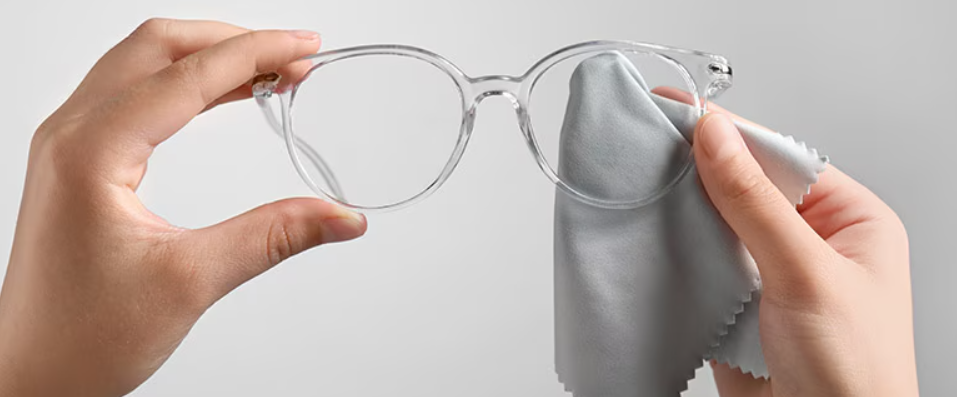
Scratches are one of the most common reasons people replace glasses earlier than expected. Scratch-resistant coatings can help lenses hold up better with daily use.
This is especially useful for:
- Kids’ glasses
- Busy families in Hartland or Pinckney juggling school and sports
- Adults who wear glasses all day, every day
- Patients who keep a backup pair in a bag or car
Even with a scratch-resistant coating, lenses still need gentle cleaning habits. But it can add a layer of protection for real life wear and tear.
Screen-friendly lens options for digital comfort
If you spend hours a day on a computer, your eyes may feel tired even if your prescription is correct. Some lens options are designed to support comfort during screen time by reducing glare and helping your eyes feel less strained.
These can be helpful for:
- Office workers
- Teachers and students
- Anyone with heavy daily screen use
- Patients who notice headaches or fatigue after close-up work
If your job involves long screen hours, it’s worth mentioning that during your visit so your eye doctor can guide you toward the most useful lens features for your routine.
Who is a good fit for progressive lenses?
Progressive lenses are a great option for adults who need help seeing clearly at multiple distances, without switching between multiple pairs of glasses.
Progressives can help you see:
- Far away (driving, TV, everyday activities)
- At intermediate distance (computer screens, dashboards)
- Up close (reading, phone use, menus)
They are especially helpful for patients who want one pair of glasses that works for daily life, rather than juggling reading glasses and distance glasses.
Common signs you may benefit from progressives
Patients often consider progressives when they notice:
- Holding reading farther away than usual
- Needing brighter light to read comfortably
- Eye fatigue during phone use or reading
- Trouble seeing both screens and across a room without switching glasses
Do progressives take time to adjust to?
Some people adjust quickly, while others need a short learning period. That’s normal.
A few tips that help many patients:
- Wear them consistently at first so your brain adapts
- Point your nose toward what you want to see
- Practice prior to getting your new progressives, becoming a head turner
- Ask your Optician about proper fit in the frame (this matters a lot)
- Opt for a “wider” design
If progressives are not adjusted correctly to your face and frame, they can feel frustrating. Good measurements and proper fitting help them feel more natural.

How do you choose lens upgrades without overspending?
Many patients want better lenses, but they do not want to feel pressured into extras they do not need. The most helpful approach is to choose upgrades based on what actually impacts your life.
A good starting point is asking yourself these questions:
What do you do most with your glasses?
Your best lens options depend on how you use your glasses day to day.
For example:
If you drive a lot, especially at night:
- Anti-reflective coating can improve clarity and reduce glare
If you work on screens daily:
- Screen-friendly features and anti-reflective coating may help reduce strain
If you spend time outdoors:
- UV protection and durable coatings are worth considering
If you have kids with glasses:
- Scratch resistance and durability-focused options tend to be high value
If you are switching between distance and reading glasses:
- Progressives may simplify your routine and improve convenience
Focus on comfort first, then features
The goal is not to add every upgrade available. It’s to find the best balance of:
- Clear vision
- Daily comfort
- Durability
- Budget
A good Optician or eye care team will help you prioritize the upgrades that make the most difference for your specific needs.
That is also why it helps to share the symptoms you notice, like headaches, glare sensitivity, or eye fatigue. The right lens features should solve problems, not add confusion.
FAQs: Lens Options and Eyeglass Upgrades
What is the best lens option for glare and night driving?
Anti-reflective coating is one of the best options for reducing glare and improving clarity during night driving, especially from headlights and streetlights.
Are progressive lenses better than bifocals?
Progressive lenses offer a smoother transition between distances and do not have a visible line. Many patients prefer them for everyday wear, but the right choice depends on comfort and lifestyle.
Do kids need anti-reflective or scratch-resistant coatings?
Yes. Kids benefit from scratch-resistant coatings because glasses go through a lot during school and activities. Anti-reflective coating also helps reduce glare, especially for screen use and classroom lighting.