
Spring is a natural time to reset routines, and that includes your vision care.
If it has been a year or more since your last exam, it may be time to update glasses prescription to ensure your vision stays clear and comfortable.
Even small prescription changes can affect daily activities like driving, reading, and screen use.
Many adults adjust gradually to subtle vision shifts without realizing how much clearer things could be. It’s called muscle memory.
This guide is for patients in
Howell, Brighton, Hartland, Pinckney, and surrounding Livingston County communities who want to understand how often prescriptions should be updated, what symptoms to watch for, and why routine exams matter beyond just seeing clearly.
How often should adults update their glasses prescription?
Most adults benefit from updating their prescription every one to two years. Even if your vision feels stable, gradual changes can occur over time. We adapt.
Why small changes matter
You may not notice minor shifts right away. Instead, you might experience:
- Mild eye strain
- Occasional headaches
- Slight blurriness, especially at night
- Increased glare
- Needing to concentrate harder while reading
Over time, these small issues can affect comfort and productivity.
Comprehensive eye exams do more than check clarity. The majority of a comprehensive eye exam is the health exam, not the prescription. They also allow your eye doctor to monitor systemic health and detect early signs of conditions that may not cause noticeable symptoms at first.
For patients in Howell and nearby Brighton, staying on a consistent exam schedule supports both vision quality and long-term eye health.
What symptoms signal it’s time for an exam?
Sometimes your eyes give clear signs that it’s time to update your glasses prescription.
Common symptoms include:
- Blurry or fluctuating vision
- Difficulty seeing at night
- Increased glare from headlights
- Frequent headaches
- Eye fatigue during screen use
- Squinting to see clearly
- Holding reading material farther away
- Feeling “cross eyed”
- Increased blinking to “clear things up”
If you feel like your eyes are working harder than usual, that is often a sign your prescription may need adjustment.
Children and teens may show different signs, such as:
- Sitting closer to screens
- Complaining about headaches after school
- Avoiding reading
- Behavior changes
Even subtle symptoms deserve attention.

Can prescriptions change even if vision feels “fine”?
Yes. Vision changes are often gradual, which makes them easy to overlook.
Your brain adapts over time. It’s called muscle memory. You may not realize your clarity has decreased until you compare old glasses with an updated prescription.
Changes can be influenced by:
- Natural aging
- Increased screen time
- Health conditions
- Hormonal changes
- Lifestyle shifts
- Medications
- Dehydration and sun damage
Spring can be a good checkpoint. As daylight increases and outdoor activities become more common, clearer vision can improve safety and comfort.

Why does screen time make prescription updates more important?
Many adults and children now spend extended hours on digital devices. Prolonged close-up work places additional demand on focusing muscles.
When your prescription is slightly outdated, screen use may feel more tiring than it should.
You might notice:
- Trouble shifting focus from screen to distance
- Dryness and irritation
- Blurred text
- Headaches by the end of the day
- Fatigued and overwhelmed
An updated prescription can reduce unnecessary strain and improve comfort.
Patients in Hartland and Pinckney often mention increased fatigue during heavy screen use. In some cases, a minor prescription change significantly improves comfort.
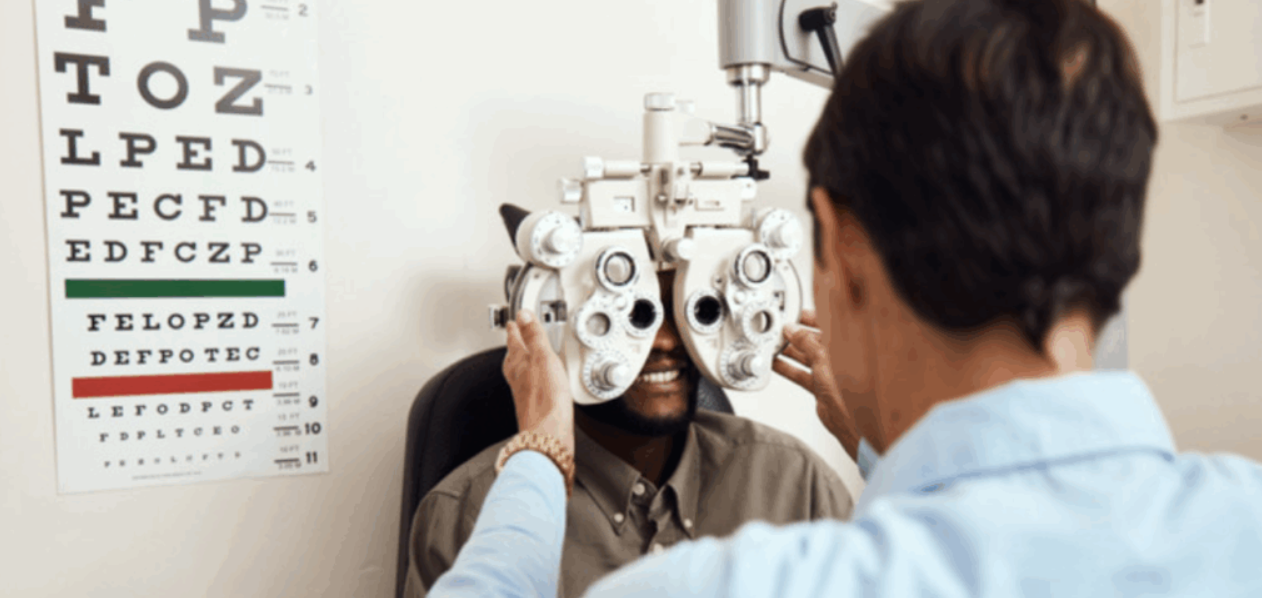
What happens during a comprehensive eye exam?
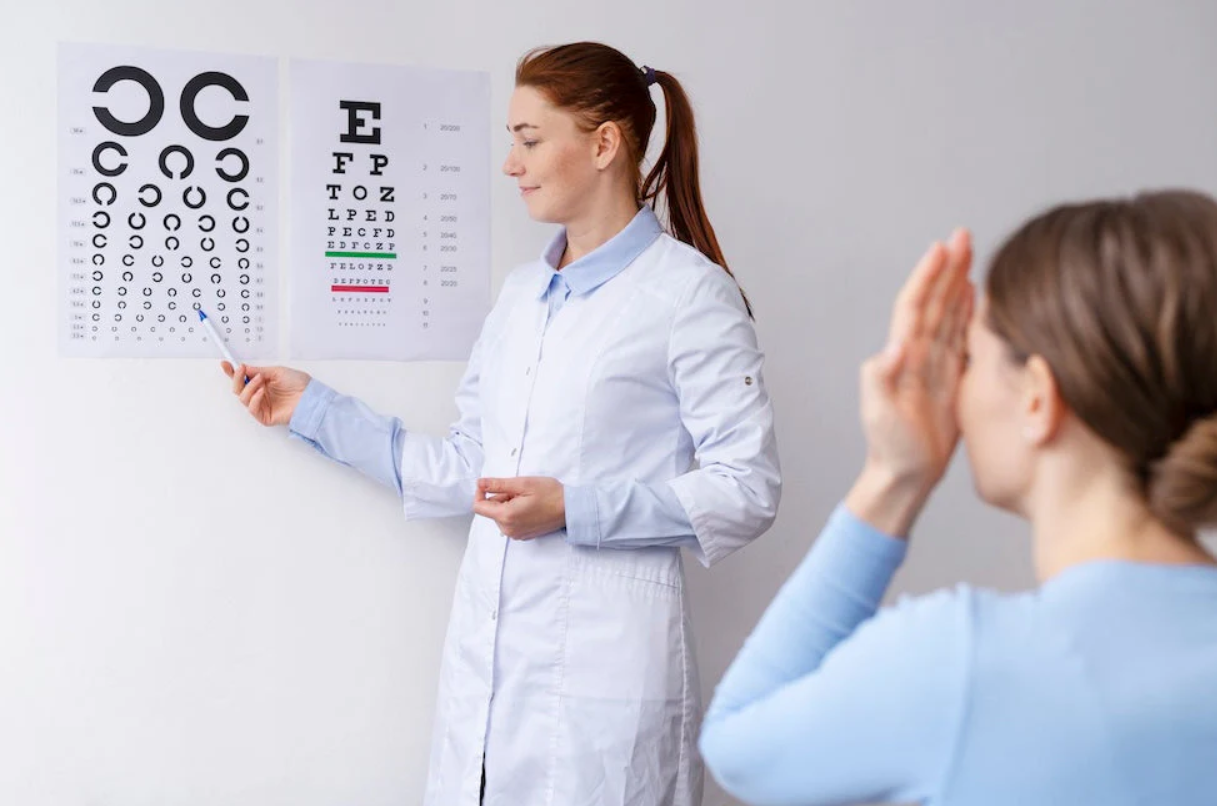
A comprehensive eye exam includes more than reading an eye chart, that’s a small piece.
Your eye octor will evaluate:
- Visual clarity at different distances
- How well your eyes focus and work together
- Prescription accuracy
- Overall eye health (vessels, arteries, the macula, the optic nerve and more)
Conditions like glaucoma, macular degeneration, and other eye diseases can develop without early symptoms. Regular exams help detect concerns before they progress.
Designs For Eyes provides comprehensive exams for adults and children throughout Howell and surrounding communities, helping patients feel confident in both their vision and eye health.
FAQs About Updating Your Glasses Prescription
Can wearing an outdated prescription damage my eyes?
An outdated prescription does not typically cause permanent damage, but it can lead to ongoing strain, headaches, and reduced comfort.
How do I know if the change is significant?
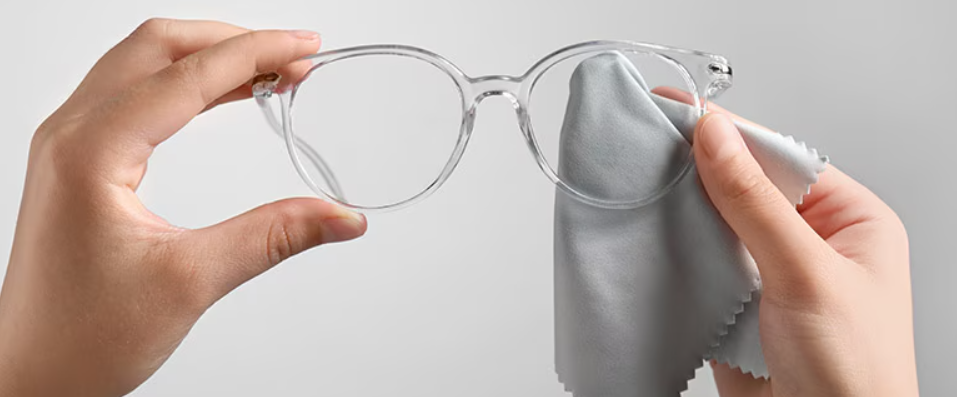
Only a comprehensive exam can determine that. Even small changes can make a noticeable difference in clarity and comfort. Just removing minor scratches creates clarity and cuts glare.
Should I update my prescription if I rarely wear my glasses?
If you rely on glasses for driving, reading, or computer work, keeping the prescription accurate is important for safety and comfort. Plus, in the event of a medical emergency you’ll need them.