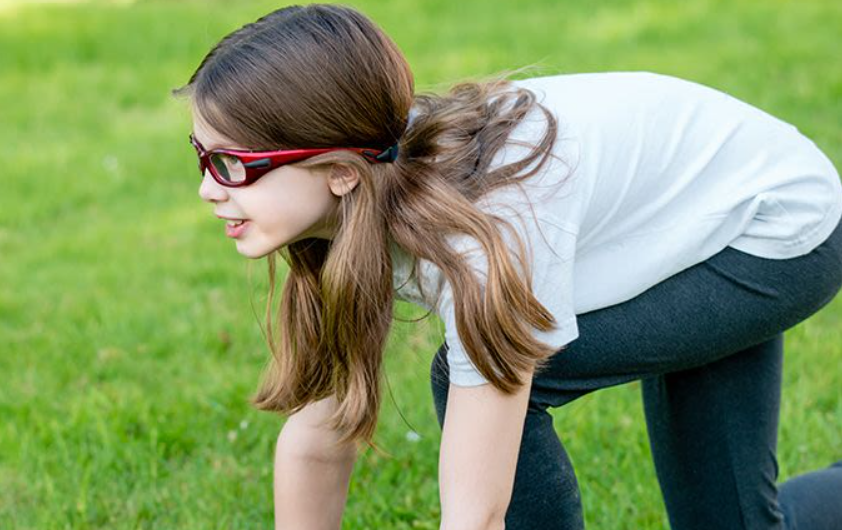
Spring sports season is exciting for families, but it also brings an increased risk of eye injuries.


The good news is that many of these injuries are preventable with the right protection and preparation. Sports eye safety for kids starts with understanding which sports carry higher risk and choosing proper protective eyewear.


This guide is for parents and caregivers in Howell, Brighton, Hartland, Pinckney, and surrounding Livingston County communities who want to help their young athletes stay safe while staying active.


Whether your child plays organized school sports or recreational weekend games, eye protection matters.


Below, we’ll explain which sports carry the highest eye injury risk, what to look for in sports eyewear, and how prescription sports goggles can help kids who already wear glasses.

Which sports have the highest eye injury risk?


Not all sports carry the same level of risk. Activities that involve fast-moving balls, physical contact, or high-speed equipment tend to pose a greater chance of eye injury.


Sports with higher eye injury risk

Parents should be especially mindful during sports such as:

  • Basketball
  • Baseball and softball
  • Racquet sports like tennis and pickleball
  • Hockey
  • Soccer
  • Field sports with close player contact

Even casual backyard games or recreational league play can lead to accidental impacts. A stray ball, elbow, or collision can happen quickly.


Why children are especially vulnerable

Kids often:

  • Move quickly and unpredictably
  • Have developing coordination
  • Play without anticipating risk
  • Forget to protect themselves during intense moments

Because children may not recognize early signs of injury, prevention becomes even more important.

Why is protective eyewear so important?


Regular glasses are not designed for impact. In fact, they can break and potentially cause more harm during contact sports.


Protective sports eyewear is built differently.

How sports goggles protect young athletes

Sports goggles are:

  • Made from impact-resistant materials
  • Designed to stay securely in place
  • Built to withstand high-speed impact
  • Structured to protect both the eyes and surrounding area

Properly fitted sports goggles can significantly reduce the risk of eye injury.


What safety standards should parents look for?

Parents should look for eyewear that:

  • Meets recognized safety standards for impact resistance
  • Is labeled specifically for sports use
  • Fits securely without sliding
  • Is sized appropriately for the child’s face

A secure fit matters. Goggles that shift during movement may not provide consistent protection.


If you are unsure what type of sports eyewear is appropriate, an optician can help guide you.

Are prescription sports goggles available for kids?


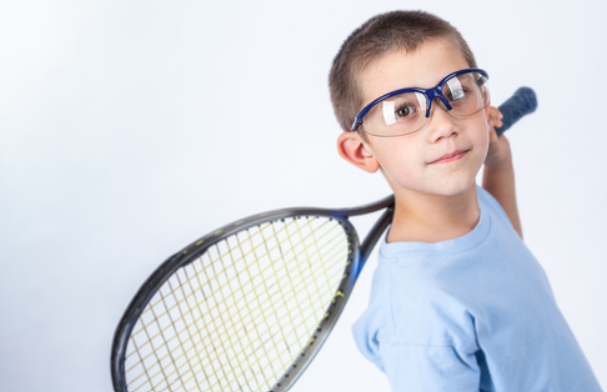
Yes. Prescription sports goggles are available for children who need vision correction during sports.

For kids who wear glasses, this can be an important solution.


Why regular glasses are not ideal for sports

Everyday glasses:

  • May slip during movement
  • Are not built for impact
  • Can break under pressure
  • May distract a child who is trying to focus on the game

Prescription sports goggles allow children to see clearly while staying protected.


Benefits of prescription sports goggles

Prescription sports goggles:

  • Provide clear, corrected vision
  • Offer impact resistance
  • Fit securely during running and jumping
  • Help kids perform confidently

Clear vision is essential for tracking balls, judging distances, and reacting quickly. Wearing proper sports eyewear supports both performance and safety.


Families in Howell and nearby Brighton often find that once kids switch to sports goggles, they feel more confident on the field.

What should parents do before the sports season starts?


Preparation is key to sports eye safety for kids.


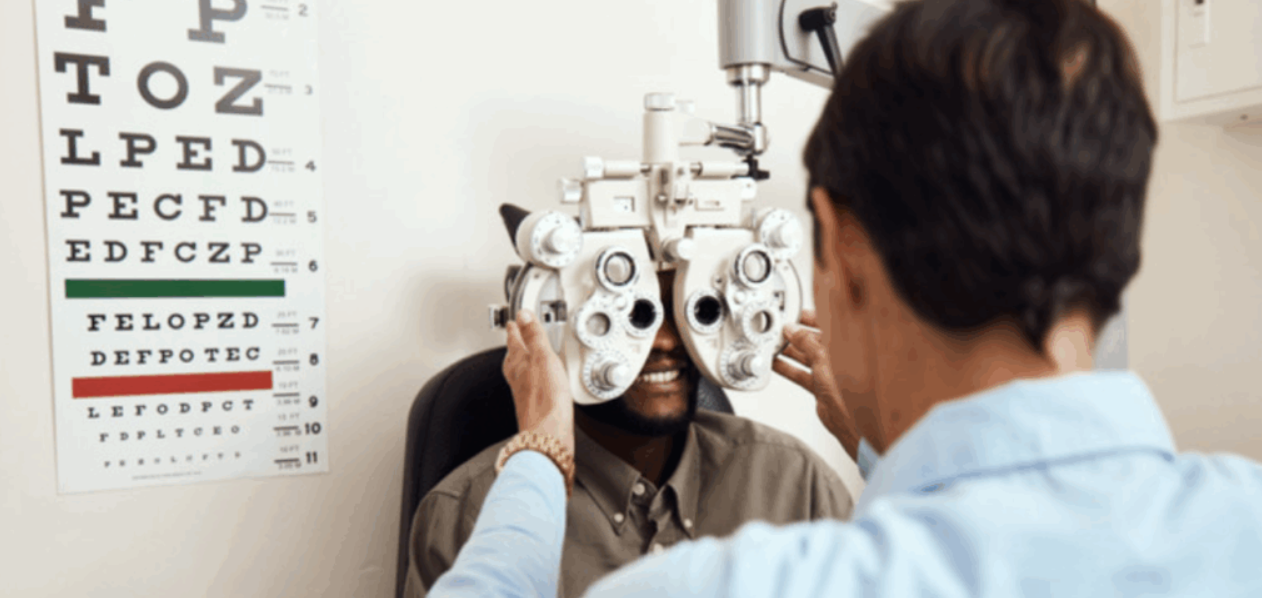
Schedule a comprehensive eye exam

Before the season begins, it is helpful to confirm:

  • Your child’s prescription is up to date
  • There are no underlying vision issues
  • Contact lenses, if used, fit properly

Kids’ prescriptions can change quickly, especially during school years. Clear vision helps prevent hesitation and reduce injury risk.


Teach children basic eye safety habits

Simple reminders can go a long way:

  • Always wear protective eyewear during games and practice
  • Avoid rough play without supervision
  • Report any eye pain or vision changes immediately

Encourage kids to speak up if they feel something is not right. Even mild symptoms after an impact should be evaluated.


Know the signs of a possible eye injury

Parents should watch for:

  • Eye pain
  • Redness
  • Swelling
  • Blurry vision
  • Light sensitivity
  • Complaints of “seeing spots” or “seeing flashes”

If any of these symptoms occur after impact, seek medical evaluation promptly.

FAQs About Sports Eye Safety for Kids


Do all kids need sports goggles?

Not every sport requires protective eyewear, but high-risk sports involving balls, racquets, or contact strongly benefit from it. Even recreational play can carry risk.


Can kids wear regular glasses during sports?

Regular glasses are not designed for athletic impact and can break. Sports-specific protective eyewear is a safer option.


How often should kids have their eyes checked if they play sports?

Routine comprehensive eye exams are recommended, especially before a new sports season. Updated prescriptions help ensure clear and comfortable vision.

By Sheileen Parracino March 12, 2026
If your eyes feel itchier, drier, or more irritated every spring, you may notice your contact lenses suddenly feel uncomfortable too. Contacts during allergy season can be more challenging because pollen and other allergens increase dryness and debris buildup on lenses. This guide is for patients in Howell, Brighton, Hartland, Pinckney, and surrounding Livingston County communities who wear contact lenses and want to know how to stay comfortable during peak allergy months.  Below, we’ll explain why allergies affect contact lens wear, when switching lens types may help, and when it is safest to take a break from contacts altogether.
By Sheileen Parracino March 10, 2026
As the weather warms up in Michigan, many people reach for their sunglasses without thinking twice about how well they actually protect their eyes. Not all sunglasses are created equal. UV protection sunglasses are essential for shielding your eyes from harmful ultraviolet rays, and dark lenses alone are not enough. This guide is for patients and families in Howell, Brighton, Hartland, Pinckney, and surrounding Livingston County communities who want to understand what proper UV protection means, how to tell if their sunglasses are safe, and whether polarized lenses are worth it.  Below, we’ll explain what to look for on labels, why UV exposure matters year-round, and how to choose sunglasses that truly protect your vision.