Choosing the right contact lenses is not just about getting a prescription. The best contacts are the ones that fit your eyes properly, feel comfortable all day, and match your routine.


That’s why contact lens fittings are so important. They help make sure your lenses are safe, clear, and designed for how you actually live.


If you’re new to contacts or thinking about switching lens types, this guide is for you. We’ll walk through the most common options, who tends to do well with daily lenses, what happens during a fitting, and the biggest mistakes to avoid.


Whether you live in Hartland, Howell, Brighton, Pinckney, and nearby Livingston County communities, this blog will help you feel more confident about what to expect and how to choose the best contact lenses for your needs.

What types of contact lenses are available (and what’s the difference)?

Contact lenses are not one-size-fits-all. The “best” type depends on your eyes, your schedule, and what feels comfortable. During an exam, your eye doctor considers things like tear quality, shape, how your eyes handle dryness, and how long you want to wear lenses each day.


Here are the most common contact lens types patients ask about:


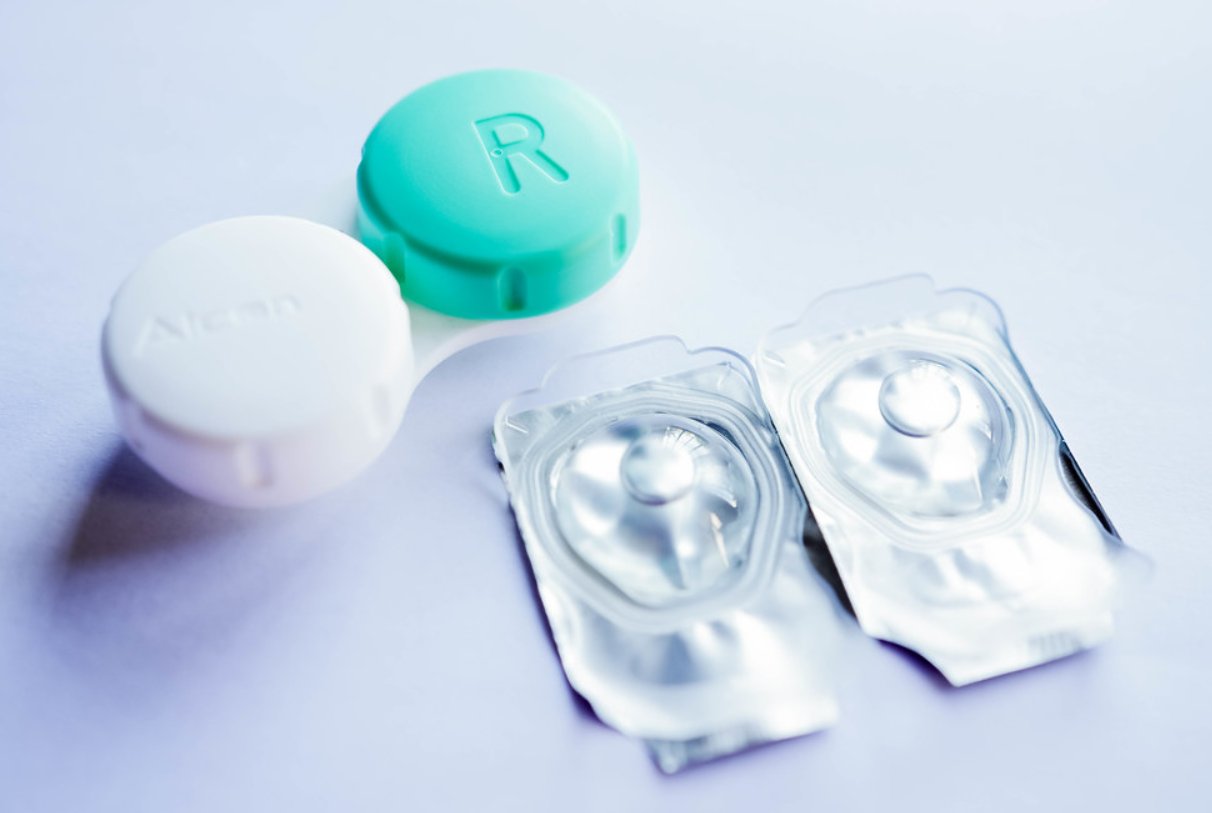
Daily disposable contact lenses

Daily lenses are worn once and thrown away at the end of the day. Many patients love them because they’re simple and convenient.


Daily lenses can be a great fit if you:

  • Want a low-maintenance routine

  • Have seasonal dryness or irritation

  • Wear contacts only occasionally (weekends, workouts, events)

  • Prefer a fresh lens every time

Because you start with a clean lens each day, dailies can be especially helpful for people whose eyes feel easily bothered by buildup or dryness.


Bi-weekly or monthly replacement lenses

These lenses are inserted and worn daily but replaced on a set schedule (every two weeks or every month). 

They require cleaning and storage in a case overnight.


These may work well if you:

  • Wear contacts most days

  • Want an option that can be more cost-effective long-term

  • Feel comfortable with a cleaning routine and proper lens hygiene

The key is following the exact replacement schedule. Wearing a “monthly” lens for longer than a month can lead to discomfort and irritation.  Corneal ulcers are painful, and the healing process is long and sometimes alters a person's visual acuity long term. 


Toric lenses for astigmatism

If you have astigmatism, you may need a toric lens. These are designed to keep vision stable by staying in a specific position on the eye.

Patients with astigmatism often do well with toric lenses, but fit matters. A proper fitting helps ensure the lens stays aligned, so vision stays clear.


Multifocal contact lenses

Multifocal contacts are designed for people who need help seeing at multiple distances, such as near and far.

These can be a great option for patients who:

  • Want to reduce dependence on reading glasses

  • Need clearer near vision while wearing contacts

  • Prefer one pair of lenses for everyday tasks

Multifocal lenses may require multiple visits and a short adjustment period, but many patients are surprised by how natural they can feel once properly fitted.


Specialty lenses (for specific needs)

Some patients need specialty lenses due to unique prescriptions or eye surface needs. Your eye doctor will guide you if something outside standard lenses is recommended.


Who is a good candidate for daily disposable contact lenses?

Daily disposable lenses are one of the most popular options, especially for patients looking for comfort and simplicity.


They are often a great choice if you:

  • Have a busy schedule and don’t want to clean lenses nightly

  • Deal with winter dryness or seasonal allergies

  • Feel irritated more easily with other lenses

  • Want lenses for part-time wear (sports, travel, special occasions)

Daily lenses are also a strong option for new wearers or teenagers because of their juggled schedules and there’s less risk of making mistakes with cleaning routines.


What if you want contacts but your eyes feel dry?

Dryness does not automatically mean you can’t wear contact lenses. It just means your eye doctor may recommend options that support comfort, such as:

  • Daily disposable lenses

  • Specific materials designed to hold moisture

  • Adjustments to wear time and habits

If you’ve tried contacts in the past and felt like they “just didn’t work,” a new fitting may help you explore better options that weren’t available before.


What should you expect during contact lens fittings?

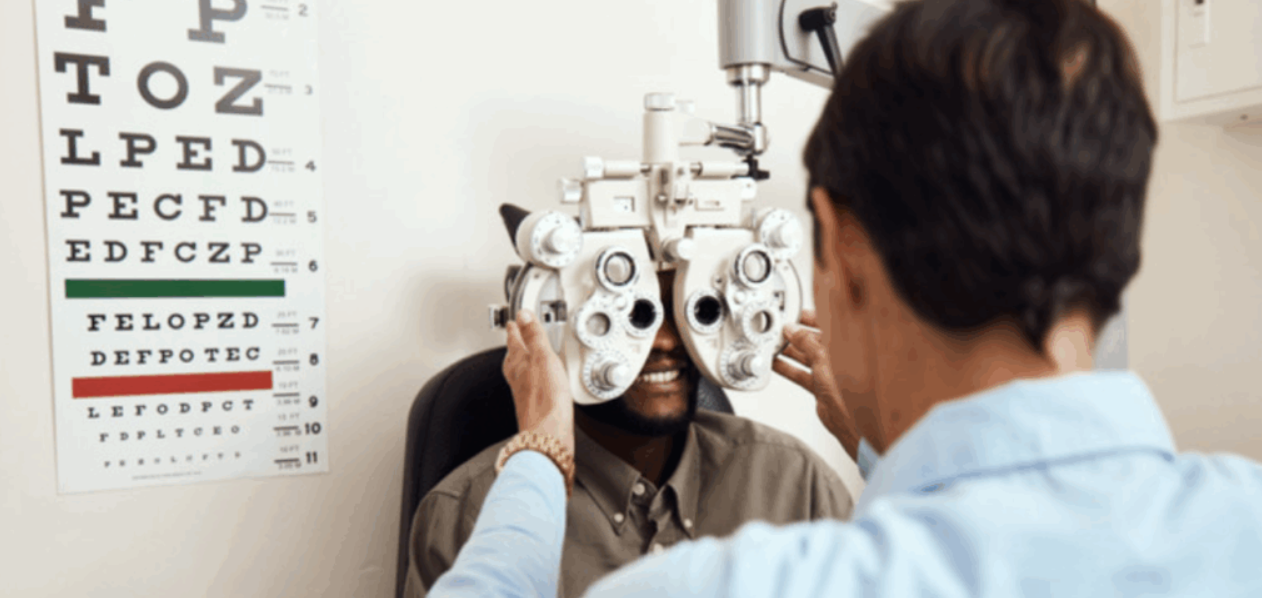
Many patients assume a contact lens fitting is the same as a regular eye exam, but it includes extra steps to make sure contacts are safe and comfortable on your eyes.


During contact lens fittings, you can typically expect:

1) Eye health evaluation

Before contacts are prescribed, your eye doctor checks your eye health. This is important because contact lenses sit directly on the eye, so comfort depends on healthy tear film and a stable surface.


2) Measurements and lens selection

The doctor will take measurements that help determine how lenses should fit your eyes. This is part of what makes contacts feel secure and clear instead of dry or blurry.

They’ll also ask questions about your lifestyle, such as:

  • How often you want to wear contacts

  • Whether you work on screens all day

  • If you drive frequently at night

  • If your eyes tend to feel dry or irritated

  • Whether you want part-time or full-time wear

This helps match you with the right lens type, not just the right prescription.


3) Trial lens experience

In many cases, patients try lenses in-office to check comfort and clarity. This step helps confirm:

  • The lens sits properly

  • Vision is stable

  • The lens feels comfortable with blinking and movement

4) Training for new contact lens wearers

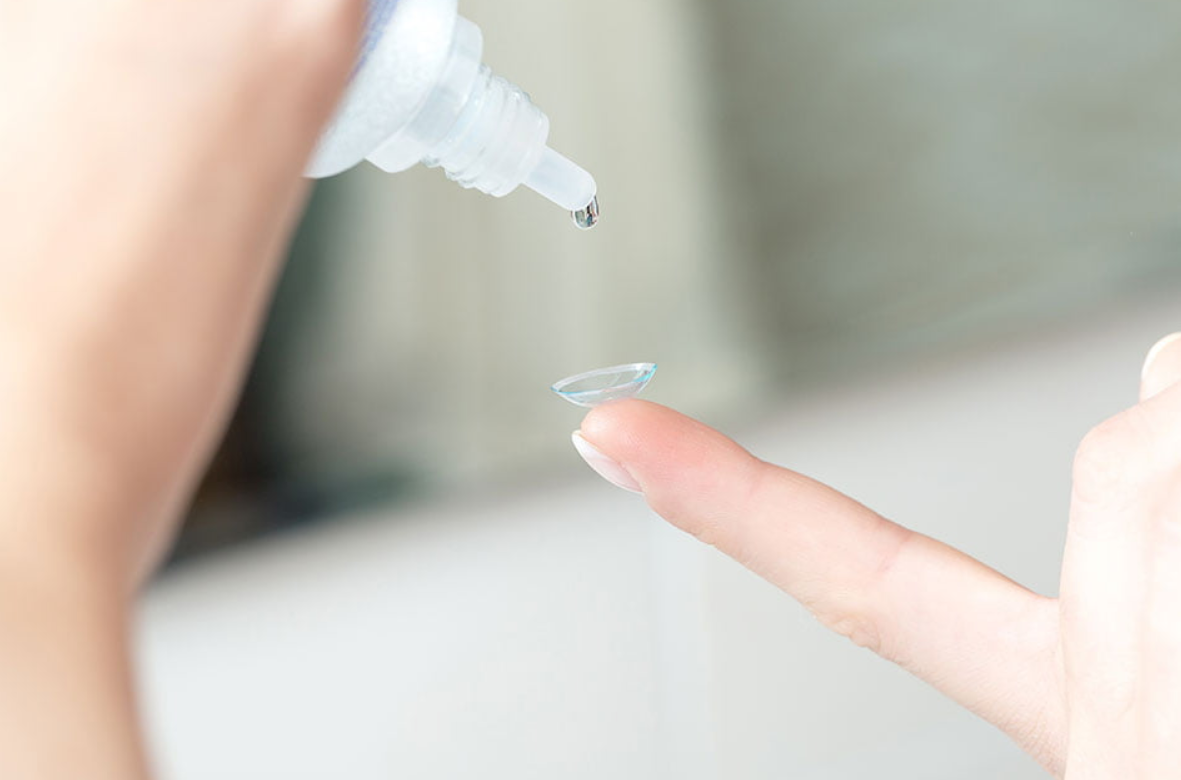
If you’re new to contacts, you’ll get step-by-step guidance on:

  • How to safely insert lenses

  • How to remove lenses without scratching the eye

  • How to clean and store lenses if needed

  • When to throw lenses away and replace them

New wearers often feel nervous at first. That’s normal. Most patients become confident quickly with a little practice and the right instruction.  Your Optician can provide practice tips before your appointment for contacts. 


5) Follow-up recommendations

Your eye doctor may recommend a follow-up visit to confirm ongoing comfort and make sure your lenses are working well over time.


For patients in Hartland, Howell, Brighton, Pinckney, and nearby Livingston County communities this can be especially helpful during busy seasons when dryness and screen time increase.


What is the biggest contact lens mistake patients make?

One of the biggest mistakes is wearing contacts longer than recommended, either:

  • Wearing them too many hours in one day
  • Extending the replacement schedule (like using a monthly lens for 6 weeks)

Even if lenses still “feel okay,” overwearing can lead to dryness, discomfort, and higher risk of irritation. Over time, it can make contacts less comfortable and harder to tolerate.


Often patients forget, it’s a form of plastic and blocks oxygen and moisture.


Other common mistakes include:

  • Sleeping in lenses that are not approved for overnight wear

  • Skipping hand washing before inserting or removing lenses

  • Using water instead of proper solution

  • Reusing old solution in the case

  • Wearing lenses during eye redness or illness

Why replacement schedules matter

Contact lenses are designed to be replaced on time because they can accumulate deposits and wear down, even if they look clean.


Following the schedule is one of the simplest ways to keep lenses comfortable and safe.

If you feel like your lenses get uncomfortable before they’re due to be replaced, that’s worth mentioning at your next appointment.


It may mean a different lens type would be a better fit.


FAQs: Contact Lenses and Fittings


Do I need an eye exam before getting contact lenses?

Yes. Contact lenses require an eye exam and fitting to ensure they match your prescription and fit your eyes safely. A proper fitting helps improve comfort and reduces irritation risks.


Are daily contacts better than monthly contacts?

Not always, but daily contacts are often more convenient and can feel more comfortable for people with dryness or sensitive eyes. Monthly contacts can work well for full-time wearers who follow cleaning and replacement instructions carefully.


What if I have astigmatism or need reading help?

Many patients with astigmatism can wear toric contact lenses, and many adults who need help up close can try multifocal lenses. Contact lens fittings help your eye doctor find the right option for your vision needs.


By Sheileen Parracino February 24, 2026
If you spend hours on a screen and your eyes feel tired, dry, or unfocused by the end of the day, it’s natural to wonder: do blue light glasses work? The short answer is that they can help some people feel more comfortable, but they’re not a magic fix and they’re not the only solution for screen related eye strain.  This blog is for students, parents, office workers, and anyone in Hartland, Howell, Brighton, Pinckney, and nearby Livingston County communities who wants a clear, trustworthy explanation of what blue light glasses actually do, who they may help, and what else you can do to feel better during screen time. Below, we’ll break down what’s really behind screen discomfort, what blue light lenses may (and may not) do, and how to build a screen routine that supports comfortable vision long-term.
By Sheileen Parracino February 23, 2026
If you’ve ever been told you have “20/20 vision,” you might assume your eyes are perfectly healthy, and you don’t need eye exams anymore. But here’s the key takeaway: 20/20 vision only describes how clearly you can see at a distance. It does not tell the full story about how your eyes are functioning or how healthy they are. This guide is for anyone in Hartland, Howell, Brighton, Pinckney, and nearby Livingston County communities who wants a clear, patient-friendly answer to a common question: What does 20/20 vision mean, and what does it not mean? Below, we’ll explain what the eye chart measures, why you can still have eye issues even with 20/20, and what a comprehensive eye exam checks beyond “reading the letters.”