If your eyes feel drier, more irritated, or more sensitive in the winter, you’re not imagining it.
Cold weather, indoor heating, and low humidity can cause your tears to evaporate faster, leaving your eyes feeling uncomfortable and strained.
This guide is for anyone in Howell, Brighton, Hartland, Pinckney, and nearby Livingston County areas who experiences seasonal dryness, burning, redness, or tired eyes and wants simple, trustworthy answers.
Below, we’ll explain why winter dry eye happens, what symptoms to watch for, the best at-home relief tips, and when it’s time to schedule an appointment for dry eye care in Howell MI.
Why does dry eye get worse in the winter?
Winter is one of the most common times of year for dry eye symptoms to flare up, even in people who don’t normally struggle with irritation.
That’s because winter tends to create the “perfect storm” for dryness:
- Cold air holds less moisture
- Indoor heat lowers humidity even more
- Wind exposure increases tear evaporation
- More screen time and indoor routines reduce blinking
Even if your eyes feel okay most of the year, winter conditions can make them feel suddenly sensitive, gritty, or uncomfortable.
Low humidity outdoors and indoors
Humidity is the amount of moisture in the air. In colder months, the air naturally holds less moisture, and indoor heating systems often dry it out even further.
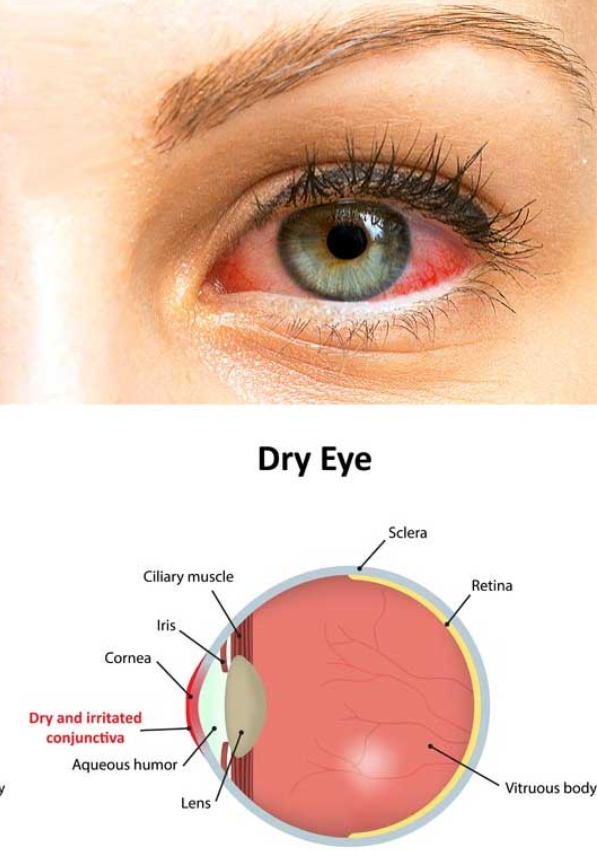
That dry air can pull moisture from the surface of your eyes, making tears evaporate faster than they should. When that happens, your eyes may feel:
- Dry
- Scratchy or gritty
- More irritated by airflow (like vents or fans)
- Red or tired by the end of the day
Indoor heating can make symptoms flare fast
Heaters and forced-air systems can blow warm, dry air directly toward your face, especially at home, in the car, or at work. Patients often notice their symptoms feel worse:
- While driving with the heat on
- After sitting near a vent
- In the evening after being indoors all day
If you live in Michigan and spend winter days going between home, work, and errands around Howell or Brighton, you might be exposed to dry air for hours without realizing it.
Winter wind and outdoor exposure
Wind is another major trigger because it can dry out the tear film quickly. Even short time outside in cold, windy weather can lead to irritation, especially if your eyes are already dry.
You may notice symptoms after:
- Walking the dog
- Running errands
- Shoveling snow
- Driving with outside air blowing through the car vents
More screen time and less blinking
Many people spend more time indoors in the winter, which usually means more screen time. When we focus on screens, we naturally blink less. And when we blink less, our eyes aren’t getting the consistent tear coverage they need.
This can cause:
- Burning or stinging
- Blurry vision that comes and goes
- A “tired eyes” feeling during the workday
- Discomfort with reading or scrolling
Screens don’t permanently damage your eyes, but they can absolutely make dry eye symptoms feel worse.
What does winter dry eye feel like (and what symptoms matter)?
Dry eye symptoms can look different from person to person. Some people feel obvious dryness, while others feel irritation that’s hard to describe.
Common winter dry eye symptoms include:
- Burning or stinging
- A gritty or sandy feeling
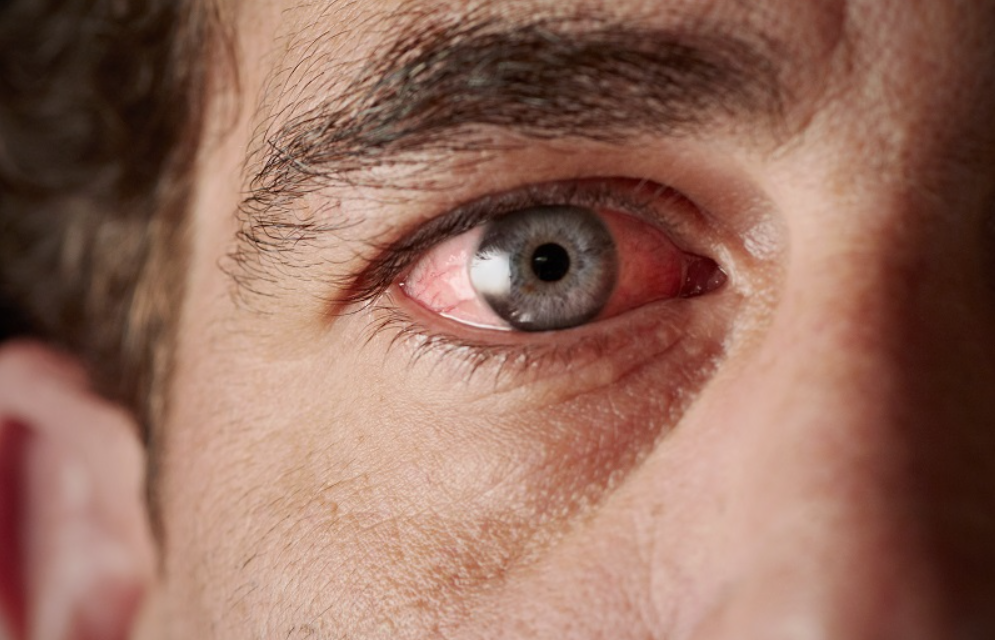
- Redness
- Watery eyes (yes, watery eyes can still be dry eye)
- Light sensitivity
- Eye fatigue
- Blurry vision that improves with blinking
- Discomfort with contact lenses
Why dry eyes can cause watery eyes
This surprises a lot of patients. When your eyes are dry and irritated, they may respond by producing extra tears as a reflex. The problem is these tears often don’t stay on the eye long enough to provide lasting comfort.
So you can have watering, irritation, and dryness all at the same time.
When to take symptoms seriously
Dry eye is very common and often manageable, but it’s important not to ignore symptoms that keep coming back.
If dryness is affecting daily life, it may be time for a professional evaluation. For example, if your eyes feel worse while:
- Driving (especially at night or with heat running)
- Working at a computer
- Reading for long periods
- Wearing contact lenses
- Being in bright or windy environments
Those are strong signs your eyes may need more support than basic at-home care can provide.

What can you do at home to relieve dry eyes in winter?
The good news is that many winter dry eye symptoms improve with simple, consistent habits. Even small changes can help your eyes stay more comfortable throughout the season.
Here are a few go-to at-home tips that many patients find helpful:
Use a humidifier indoors
This is one of the most effective winter changes you can make. A humidifier adds moisture back into the air, which helps slow tear evaporation.
Consider placing one:
- In your bedroom while you sleep
- Near your workspace during the day
- In the living area where you spend the most time
If you wake up with dry, irritated eyes, a humidifier may make a noticeable difference.
Take screen breaks and blink fully
If you’re doing computer work or your kids are on devices for school, breaks matter. Dryness often builds up over time, so small breaks can reset comfort.
Helpful habits include:
- Looking away from the screen every so often
- Blinking slowly and fully
- Adjusting screen position so you’re not staring wide-eyed upward
You don’t have to stop using screens, but you can reduce the strain and dryness they create.
Wear sunglasses outside to block wind
Winter wind can dry your eyes quickly, especially when you’re walking outside or driving. Sunglasses help protect your eyes from airflow and irritation.
This is especially helpful in colder, windy stretches around Hartland or Pinckney where you might be outdoors more often.
Stay hydrated throughout the day
Hydration supports tear production. In winter, it’s easy to drink less water and not notice. Try to keep water nearby during the day, especially if you’re also drinking coffee or tea, which can be dehydrating for some people.
Use eye comfort products recommended by your eye doctor
Not all eye drops are the same, and some products are better suited for dry eye than others. If symptoms are persistent, it’s worth asking your eye care provider what options are best for your needs.
For example, dry eye support may include:
- Lubricating drops for daytime comfort
- Warm compresses to support oil glands
- Lid hygiene routines if irritation is ongoing
If your symptoms improve only temporarily or keep returning, that’s often a sign it’s time to look deeper at the cause.

When should you schedule an appointment for dry eye care?
Occasional dryness during winter can be normal, but you shouldn’t have to push through discomfort every day.
It’s a good idea to schedule an appointment if your symptoms are:
- Persistent (lasting weeks at a time)
- Getting worse over the winter season
- Interfering with work, driving, reading, or screen use
- Making contact lenses uncomfortable
- Not improving with at-home changes
You should also book an exam if you notice:
- Ongoing redness
- Burning or stinging
- Blurry vision that comes and goes
- Irritation that keeps coming back
Dry eye is treatable, but the best approach depends on what’s causing it. A comprehensive evaluation can help identify whether dryness is being driven mainly by environment, tear quality, eyelid glands, lifestyle habits, or a combination of factors.
If you’re searching for dry eye care Howell MI, a professional exam can help you move past temporary relief and find a plan that actually works long-term.
Designs For Eyes provides care for patients dealing with seasonal and ongoing dry eye symptoms, with guidance tailored to daily routines and comfort needs.
FAQs: Dry Eyes in Winter
Why are my eyes so dry in winter even when I’m indoors?
Indoor heating lowers humidity, which can make tears evaporate faster. Screens and reduced blinking during winter routines can also contribute to dryness.
Can dry eye cause blurry vision?
Yes. When the tear film is unstable, vision can become blurry or fluctuate, especially during reading or screen time. Blinking may temporarily clear it.
Do I need an eye exam for dry eyes or can I treat it at home?
Mild symptoms may improve with humidifiers, breaks from screens, and supportive products. If symptoms are persistent or affecting daily life, an eye exam can help identify the cause and the right treatment.