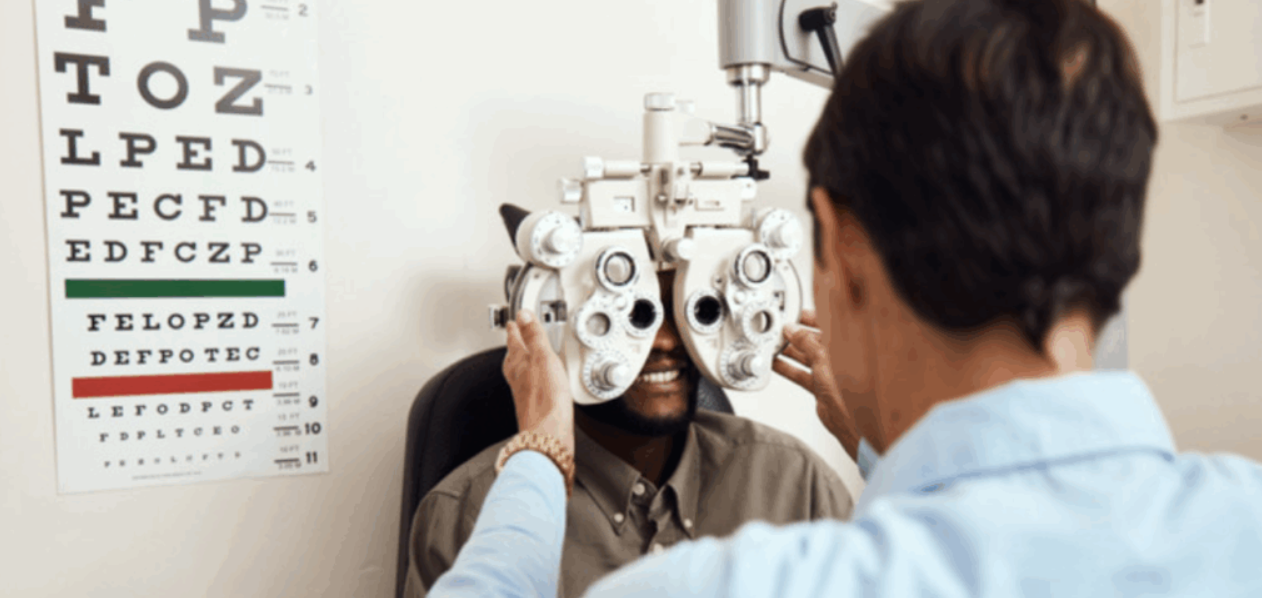
If you’ve ever been told you have “20/20 vision,” you might assume your eyes are perfectly healthy, and you don’t need eye exams anymore.


But here’s the key takeaway: 20/20 vision only describes how clearly you can see at a distance. It does not tell the full story about how your eyes are functioning or how healthy they are.


This guide is for anyone in Hartland, Howell, Brighton, Pinckney, and nearby Livingston County communities who wants a clear, patient-friendly answer to a common question: What does 20/20 vision mean, and what does it not mean?


Below, we’ll explain what the eye chart measures, why you can still have eye issues even with 20/20, and what a comprehensive eye exam checks beyond “reading the letters.”

What does 20/20 vision mean in simple terms?

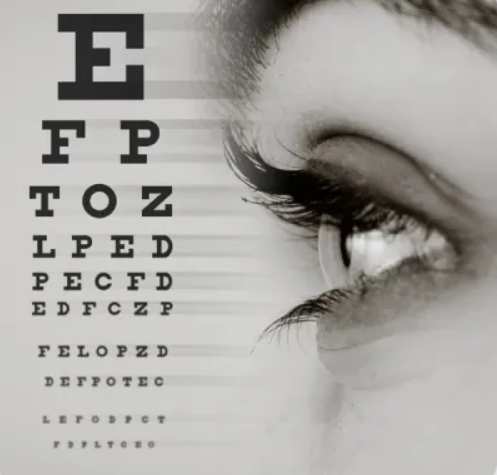
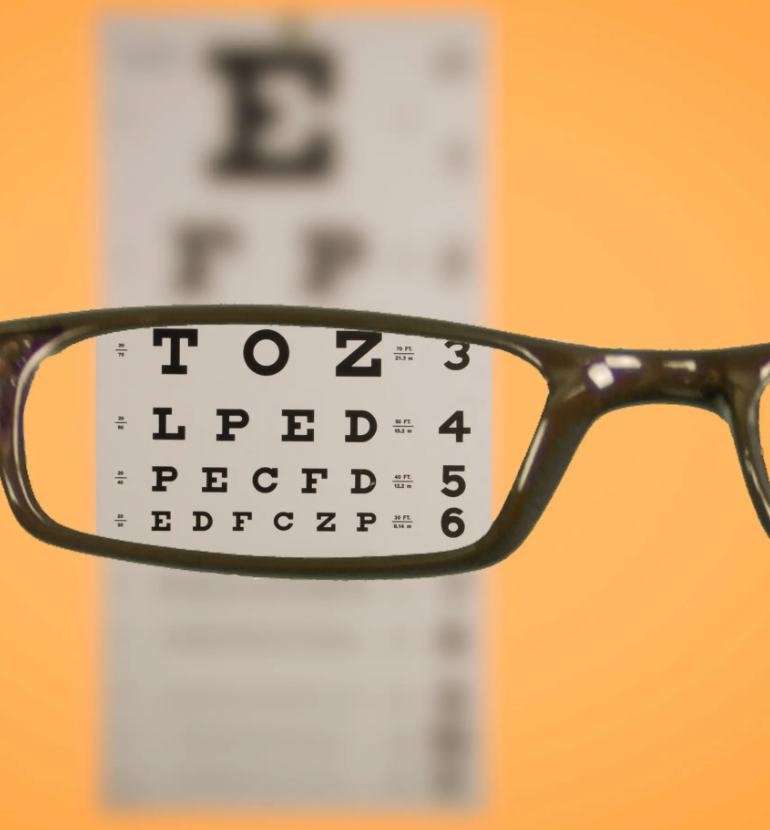
Most people first hear “20/20” during an eye exam, usually while reading letters off the wall chart. The phrase sounds like a grade, almost like you scored perfectly. But it’s more specific than that.


The simplest explanation

20/20 vision means you can see at 20 feet what the average person can see at 20 feet.

That’s it. It’s a measurement of distance clarity under testing conditions.


What the “20/20” numbers represent

  • The first number (20) refers to the testing distance: 20 feet.
  • The second number refers to the distance at which a “normal” eye can see the same line clearly.


So if someone has 20/40 vision, it means:

  • They can see at 20 feet what a person with typical vision could see at 40 feet.

And if someone has 20/15 vision, it means:

  • They can see at 20 feet what the average person might need to be at 15 feet to see clearly.

Why this is helpful (and why it’s limited)

The eye chart is useful because it gives your eye doctor a quick snapshot of how sharp your distance vision is. But it does not measure everything that matters for your day-to-day life, like:

  • Eye comfort
  • Focusing ability
  • Eye coordination
  • Depth perception
  • Dryness or irritation
  • Early eye health changes

That’s why 20/20 is only one piece of your overall eye care picture.

Can you have 20/20 vision and still have eye problems?

Yes, and this surprises many patients.

You can read the eye chart perfectly and still experience symptoms that affect your quality of life. You can also have early eye health concerns that do not show up as blurry vision yet.


Here are a few common examples:


Eye strain and headaches

Some people have 20/20 distance vision but struggle with:

  • Working on a computer
  • Reading for long periods
  • Switching between screens and paper
  • Homework and studying

This can lead to headaches, eye fatigue, or a “heavy eyes” feeling even though the chart looks fine.


Focusing problems

Your eyes need to adjust focus all day long, especially during close-up tasks. A person can have clear distance vision and still have trouble maintaining focus up close, which can cause:

  • Blurred near vision after a while
  • Eye tiredness during reading
  • Difficulty concentrating on small print

This is especially common when screen time increases.


Dry eye and irritation

Dry eyes do not always affect how well you read the chart. Many patients with 20/20 vision still experience:

  • Burning or stinging
  • Redness
  • Watery eyes
  • Light sensitivity
  • Blurry vision that comes and goes

Dryness can be seasonal, screen-related, or part of long-term eye comfort needs.


Early eye health concerns

Some eye conditions can start developing before they cause noticeable symptoms. That’s one of the reasons comprehensive eye exams matter even for people who “see fine.”

A comprehensive exam can help detect early changes that might not affect the eye chart yet.


“I can see fine, but something feels off”

This is one of the most important things to listen to. Vision is not only about clarity, it’s also about comfort and how your eyes perform throughout the day.

If you feel like your eyes are working too hard, that matters.

What tests go beyond the eye chart in a comprehensive eye exam?


A full eye exam is much more than reading letters on the wall. The chart measures clarity, but your eye doctor also evaluates how your eyes work and how healthy they are.


Depending on the patient, age, and symptoms, a comprehensive exam may include:

Prescription testing and vision changes


Even if you can see the chart clearly, your prescription may still need a small adjustment for comfort. Sometimes patients don’t realize how much effort they’ve been using to “stay clear” until their eyes feel more relaxed after an update.


Eye teaming and coordination checks

Your eyes need to work together as a team. When they don’t, it can cause:

  • Eye strain
  • Blurry vision while reading
  • Trouble focusing
  • Fatigue during school or work
  • Depth perception issues

This matters for both kids and adults, especially during heavy screen use.


Focusing ability evaluation

Your eyes constantly shift between near and far tasks. If your focusing system is struggling, you might notice:

  • Difficulty with close-up work
  • Words swimming or blurring during reading
  • Visual fatigue after screen time

Eye health assessment

Your doctor checks for signs of eye health concerns that may not show up on the eye chart. This is a major reason eye exams are still important even when vision seems good.


Comfort and symptom conversation

This part is often overlooked, but it’s one of the most helpful. Your eye doctor may ask about:

  • Dryness
  • Headaches
  • Screen comfort
  • Night driving issues
  • Irritation or redness
  • Contact lens comfort, if you wear them

These details help guide personalized recommendations instead of a one-size-fits-all approach.

If you’re in Hartland or nearby areas like Hartland, Howell, Brighton, Pinckney, and nearby Livingston County communities , this is also a great chance to ask questions you’ve been putting off, even if you assume everything is fine.

How do you explain 20/20 vision to your child (or to yourself)?

Many parents hear “Your child has 20/20 vision” and assume there are no vision concerns. Many adults hear it and think they don’t need exams.


A simple, helpful way to explain it is:

The eye chart checks how clearly you see. A full eye exam checks how healthy your eyes are and how well they’re working.


Here are a few everyday comparisons that can make it easier to understand:

20/20 is like checking the volume, not the whole sound system

Your TV may be loud enough, but the speakers could still be distorted. In the same way, your vision might be clear at distance, but your eyes could still be strained, dry, or struggling to focus.


20/20 is one measurement, not a guarantee

It tells you you’re seeing clearly in that moment, in that setting, at that distance.

It doesn’t guarantee:

  • Your prescription is perfect for your daily tasks
  • Your eyes are comfortable all day
  • Your eyes are free of health concerns

That’s why patients who ask “what does 20/20 vision mean” often feel relieved to learn that symptoms are valid, even if the chart looks good.

FAQs: 20/20 Vision and Eye Exams


Does 20/20 vision mean you don’t need glasses?

Not always. Some people have 20/20 distance vision but still benefit from glasses for reading, screen comfort, or eye strain relief. Others may have mild prescriptions that improve comfort rather than clarity.


Can kids have 20/20 vision and still struggle in school?

Yes. A child may see the board clearly and still have focusing or eye coordination issues that affect reading, attention, or homework. If your child avoids reading, squints, or gets headaches, an eye exam can help.


Is 20/20 vision the same as perfect vision?

20/20 is considered “normal” distance clarity, but it’s not the same as perfect overall vision or perfect eye health. Comfort, focus, and eye health all matter too.

By Sheileen Parracino February 24, 2026
If you spend hours on a screen and your eyes feel tired, dry, or unfocused by the end of the day, it’s natural to wonder: do blue light glasses work? The short answer is that they can help some people feel more comfortable, but they’re not a magic fix and they’re not the only solution for screen related eye strain.  This blog is for students, parents, office workers, and anyone in Hartland, Howell, Brighton, Pinckney, and nearby Livingston County communities who wants a clear, trustworthy explanation of what blue light glasses actually do, who they may help, and what else you can do to feel better during screen time. Below, we’ll break down what’s really behind screen discomfort, what blue light lenses may (and may not) do, and how to build a screen routine that supports comfortable vision long-term.
By Sheileen Parracino February 20, 2026
If your child is spending more time on screens and you’re noticing headaches, squinting, or frustration with reading and schoolwork, it may be time to schedule a pediatric eye exam. Even small vision changes can make screens and close-up work feel much harder than they should. This blog is for parents and caregivers in Hartland, Howell, Brighton, Pinckney, and nearby Livingston County communities who want clear, trustworthy guidance on what screen-related symptoms mean and when to seek help. Below, we’ll walk through the most common signs your child may need an eye exa m, what screen time can do to comfort and focus, and what to expect when you bring your child in.