If you spend hours on a screen and your eyes feel tired, dry, or unfocused by the end of the day, it’s natural to wonder: do blue light glasses work? The short answer is that they can help some people feel more comfortable, but they’re not a magic fix and they’re not the only solution for screen related eye strain.


This blog is for students, parents, office workers, and anyone in Hartland, Howell, Brighton, Pinckney, and nearby Livingston County communities who wants a clear, trustworthy explanation of what blue light glasses actually do, who they may help, and what else you can do to feel better during screen time.


Below, we’ll break down what’s really behind screen discomfort, what blue light lenses may (and may not) do, and how to build a screen routine that supports comfortable vision long-term.

Do blue light glasses work for eye strain and screen fatigue?

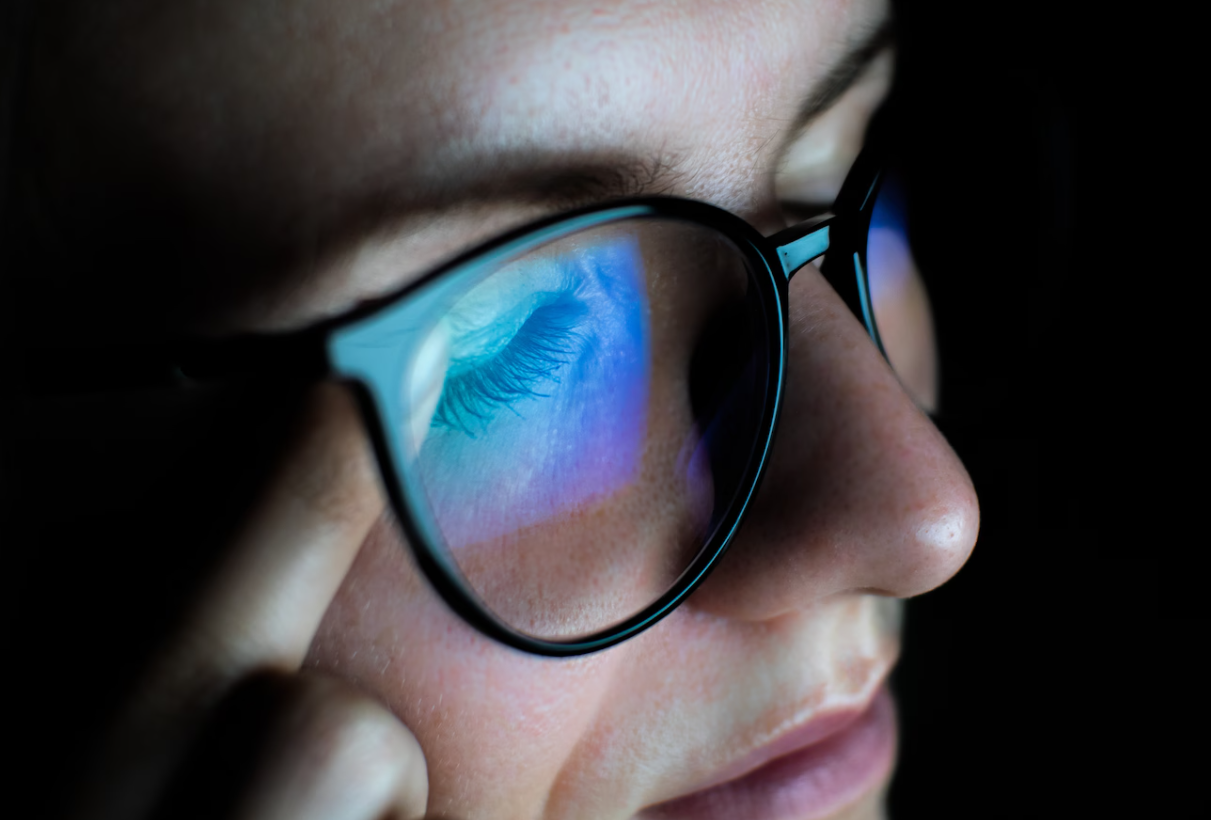
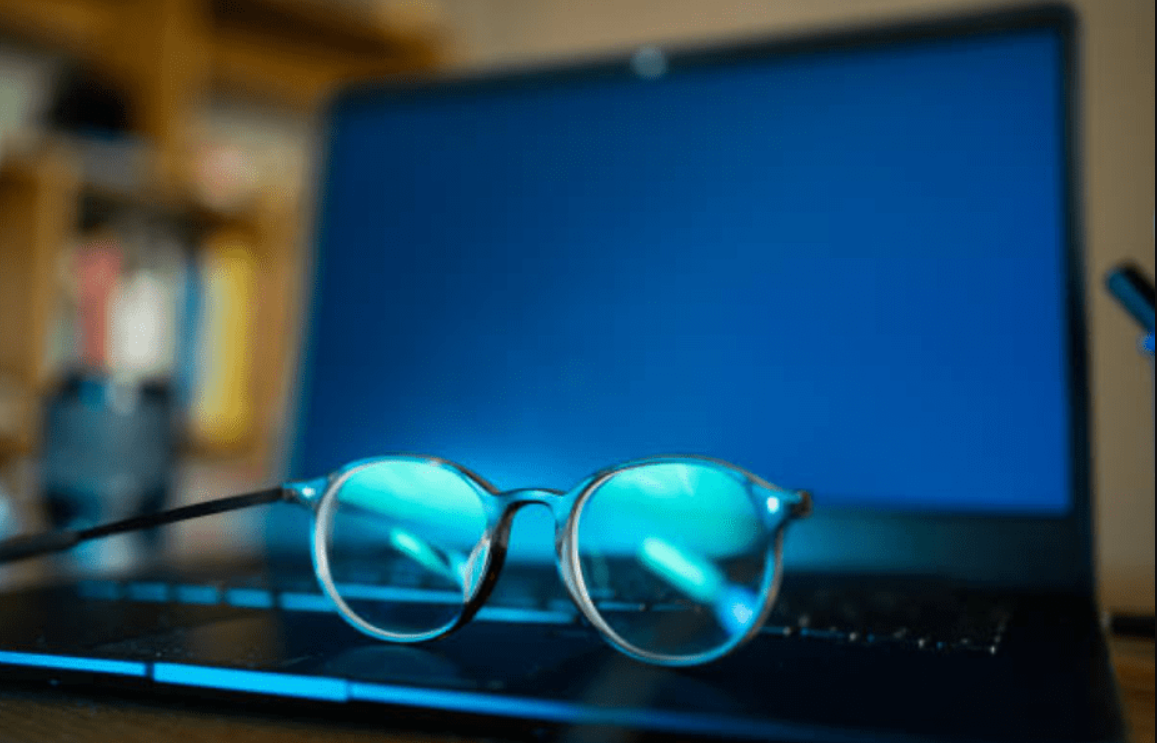
Blue light glasses are designed to filter some of the blue light that comes from digital screens, like phones, tablets, laptops, and monitors. Many patients choose them because they’re hoping for less eye strain, fewer headaches, or more comfortable screen time.

So, do they work?


For many people, blue light glasses may help with comfort

Blue light lenses can be helpful for patients who spend long hours on screens and notice symptoms such as:

  • Eye fatigue late in the day
  • Dryness or burning
  • Blurry vision that comes and goes
  • Trouble focusing after long screen sessions
  • Headaches tied to visual tasks

People who often benefit most include:

  • Students doing long stretches of homework or online learning
  • Office workers on screens most of the day
  • Adults working remotely, especially during busy seasons
  • Anyone who feels their eyes “just don’t feel good” after screen time

If you’re someone who’s already doing everything right and still feeling discomfort, blue light glasses can be one additional tool that supports relief.


But blue light is not the only reason screens feel uncomfortable

One of the most important myths to clear up is this: screen strain usually comes from more than just blue light. In many cases, discomfort is caused by a combination of:

  • Reduced blinking during screen use
  • Dryness from staring or concentrating
  • Glare and harsh lighting
  • Poor posture or screen height
  • Long periods of close-up focusing without breaks
  • Wearing the wrong prescription for computer distance

That’s why blue light lenses can help some people feel better, but they are not a replacement for good screen habits or regular eye exams.

Why do screens make your eyes feel dry, tired, or blurry?

Whether you live in Hartland, Howell, Brighton, Pinckney, and nearby Livingston County communities and spend your day looking at screens, many people experience the same pattern: eyes feel okay in the morning, but worse by afternoon.


Here’s why that happens.

You blink less when you’re focused

Blinking spreads tears across the front surface of your eye. When you’re reading, gaming, watching videos, or working at a computer, you naturally blink less. Less blinking can cause:

  • Dryness
  • Burning
  • A gritty feeling
  • Redness
  • More watery eyes (yes, dryness can trigger watering)

This is one of the biggest reasons screen time feels uncomfortable, especially when it’s nonstop.


Your eyes have to work harder up close

Screens are close-up work. Even though the text is clear, your eyes still have to focus and maintain that focus for long stretches. Over time, this can cause:

  • Focusing fatigue
  • Trouble switching from near to far vision
  • Temporary blur
  • Headaches after long days

This can be especially noticeable for teens, college students, and adults who do hours of near work without breaks.


Lighting and glare add extra strain

Many people don’t realize how much glare affects eye comfort. Harsh overhead lighting, bright windows, or screen reflections can make your eyes work harder than they need to.

If your screen feels “too bright” or you find yourself squinting, glare may be part of the problem.

Who benefits most from blue light lenses (and who may not need them)?

Blue light glasses are not a requirement for everyone, but they can be a helpful upgrade for certain routines and symptom patterns.


Blue light lenses may be a good choice if you:

  • Work on a computer for several hours most days
  • Get headaches after screen use
  • Feel visual fatigue by late afternoon
  • Notice dryness and irritation during screen time
  • Want added comfort during long homework or study sessions
  • Spend more time on screens in winter months or during busy work seasons
  • Someone who values sleep and wants to eliminate obstacles that may interfere 

Many families in Hartland or Pinckney also ask about blue light lenses for kids who use laptops in school. If your child is on screens daily and complaining of tired eyes, it can be worth discussing.


You may not notice a big difference if you:

  • Have minimal screen time
  • Already have strong screen habits and good lighting
  • Are experiencing symptoms that come from prescription changes or dry eye
  • Are not actually experiencing discomfort, but are buying them “just in case”

If symptoms are significant, it’s important to rule out other causes first. A prescription that’s slightly off, even by a small amount, can contribute to screen discomfort and headaches.


A key point: blue light glasses are about comfort, not just protection

Some people believe blue light glasses are only necessary to protect the eyes from damage. For most patients, the goal is comfort and reduced strain, not prevention of harm.


If you’re wondering “do blue light glasses work,” the best way to think about it is this: they may support comfort for some people, but they’re only one part of the bigger picture.

What can you do instead (or in addition) to reduce screen strain?

Whether or not you choose blue light lenses, many patients feel the most relief from simple routine changes. These are practical, low-cost strategies that can make a real difference.


Take regular screen breaks

Even short breaks help reset your eyes. Consider:

  • Looking up from your screen regularly
  • Changing focus to something farther away
  • Taking a few seconds to blink slowly and fully

Small breaks are often more effective than waiting until your eyes feel exhausted.


Blink fully and more often

It sounds almost too simple, but blinking is essential for eye comfort. A slow, complete blink helps spread tears evenly across the surface of the eye.


If your eyes feel dry, try:

  • A few full blinks every time you hit “send” on an email
  • Blinking intentionally during loading screens or transitions
  • Reminding kids to blink during long homework sessions

Adjust your screen brightness and reduce glare

A screen that’s too bright can contribute to squinting and strain. Helpful adjustments include:

  • Lowering brightness to match the room lighting
  • Using a matte screen filter if glare is a problem
  • Turning your screen to reduce window reflections
  • Improving your workspace lighting so it’s balanced, not harsh

Make sure you have the right prescription for your screen distance

This is a BIG one. Many people assume their glasses prescription is “fine” because they can see. But a prescription that is slightly outdated or not optimized for computer distance can cause discomfort.


If you notice:

  • Blurry vision by the end of the day
  • Frequent headaches during screen work
  • Needing to lean in or move your head to stay clear

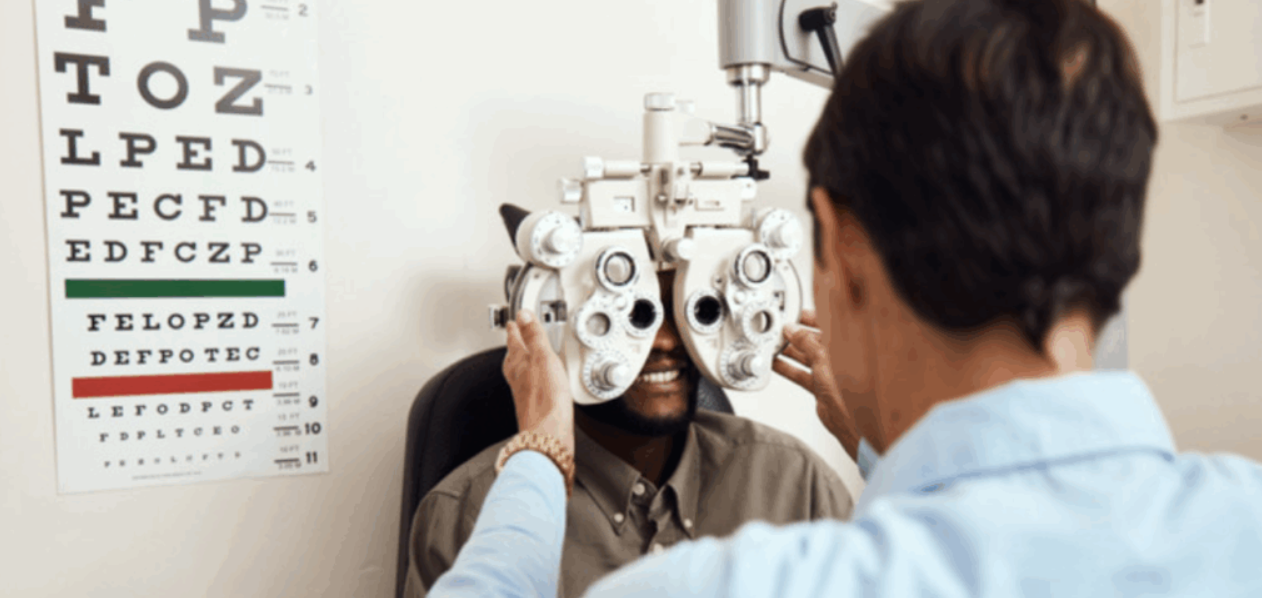
It may be time to schedule an eye exam to confirm your prescription still fits your daily needs.

FAQs: Blue Light Glasses and Screen Eye Strain


Do blue light glasses work for everyone?

Not always. Some people notice a comfort improvement, while others don’t feel much difference. Relief often depends on your screen habits, lighting, dryness, and prescription needs.


Can blue light glasses help with headaches?

They may help if your headaches are related to screen strain and visual fatigue. But headaches can also come from prescription changes, dry eye, or focusing issues, so an eye exam is often the best next step.


Are blue light glasses the same as computer glasses?

Not necessarily. Blue light lenses filter certain light, while computer glasses are usually prescribed to support comfortable vision at screen distance. Some people benefit from one, the other, or both.

By Sheileen Parracino February 23, 2026
If you’ve ever been told you have “20/20 vision,” you might assume your eyes are perfectly healthy, and you don’t need eye exams anymore. But here’s the key takeaway: 20/20 vision only describes how clearly you can see at a distance. It does not tell the full story about how your eyes are functioning or how healthy they are. This guide is for anyone in Hartland, Howell, Brighton, Pinckney, and nearby Livingston County communities who wants a clear, patient-friendly answer to a common question: What does 20/20 vision mean, and what does it not mean? Below, we’ll explain what the eye chart measures, why you can still have eye issues even with 20/20, and what a comprehensive eye exam checks beyond “reading the letters.”
By Sheileen Parracino February 20, 2026
If your child is spending more time on screens and you’re noticing headaches, squinting, or frustration with reading and schoolwork, it may be time to schedule a pediatric eye exam. Even small vision changes can make screens and close-up work feel much harder than they should. This blog is for parents and caregivers in Hartland, Howell, Brighton, Pinckney, and nearby Livingston County communities who want clear, trustworthy guidance on what screen-related symptoms mean and when to seek help. Below, we’ll walk through the most common signs your child may need an eye exa m, what screen time can do to comfort and focus, and what to expect when you bring your child in.