
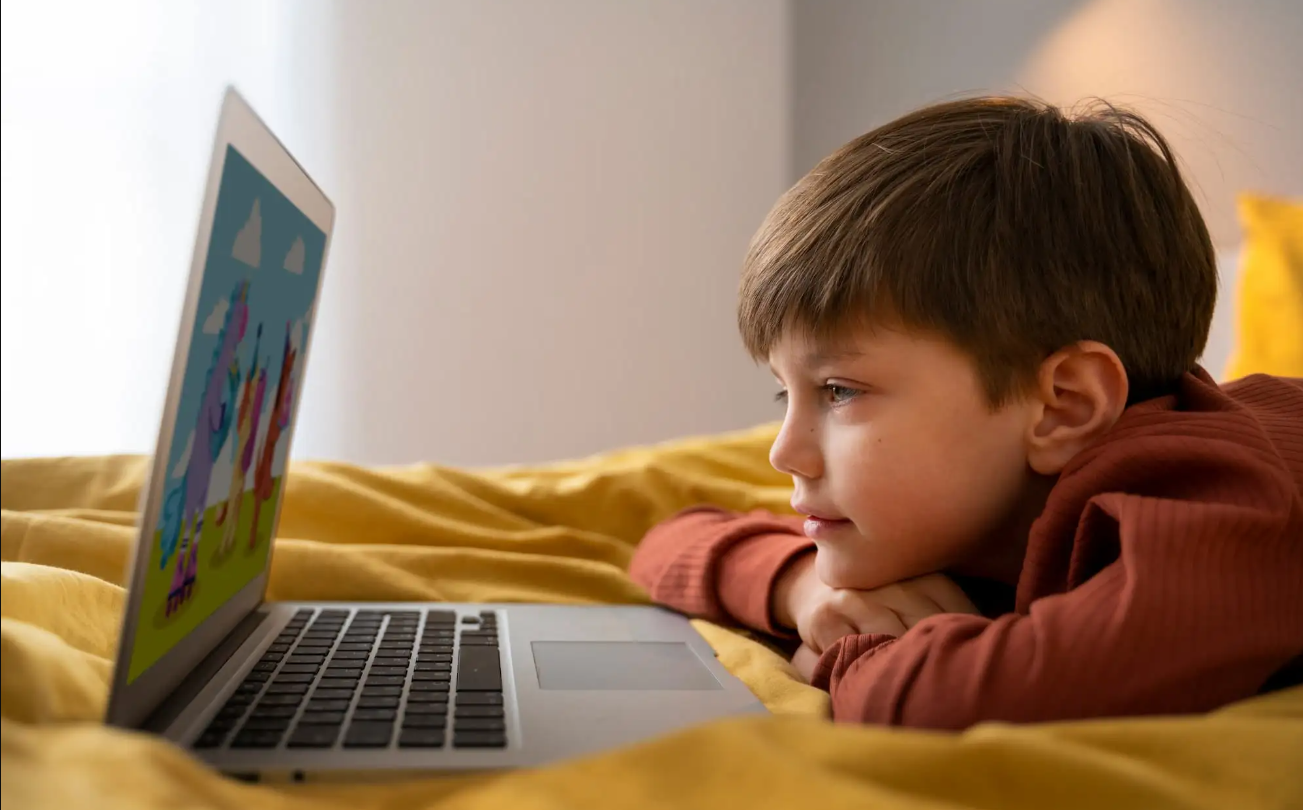
If your child is spending more time on screens and you’re noticing headaches, squinting, or frustration with reading and schoolwork, it may be time to schedule a pediatric eye exam.
Even small vision changes can make screens and close-up work feel much harder than they should.
This blog is for parents and caregivers in Hartland, Howell, Brighton, Pinckney, and nearby Livingston County communities who want clear, trustworthy guidance on what screen-related symptoms mean and when to seek help.
Below, we’ll walk through the most common signs your child may need an eye exam, what screen time can do to comfort and focus, and what to expect when you bring your child in.
What are the most common signs your child needs a pediatric eye exam?
Kids don’t always realize their vision is changing. Many children assume everyone sees the way they do, so they may not bring it up. Instead, vision issues often show up as changes in behavior, attention, or school performance.
Here are some of the most common signs parents notice:
Squinting or leaning in to see clearly
Your child may:
- Squint at screens or the TV
- Sit unusually close to a tablet or computer
- Move closer to the board or hold books close
This can be a sign your child is working harder to focus or see clearly.
Frequent headaches, especially after school
Headaches can happen for many reasons, but vision strain is a common one. You may notice headaches after:
- A full day of reading or schoolwork
- Extended screen use
- Homework time in the evening
If headaches seem tied to visual tasks, it’s worth evaluating.
Complaints of blurry vision that comes and goes
Kids may describe this as:
- “The words look fuzzy”
- “My eyes feel tired”
- “I can’t focus for long”
Even if your child sees clearly sometimes, blurry vision that comes and goes can be a sign their eyes are struggling to maintain focus.
Avoiding reading or losing interest quickly
Some kids avoid reading not because they dislike it, but because it feels uncomfortable.
You may see:
- Short attention span during close-up work
- Frustration with homework
- Losing their place while reading
- Saying they “hate reading” suddenly
Eye rubbing, blinking, or watery eyes
Kids who feel tired or dry may rub their eyes frequently, blink more than usual, red/irritated or watery eyes. This can be linked to irritation, screen habits, or focusing fatigue.
Can too much screen time affect your child’s eyes?
Screens themselves do not permanently damage your child’s eyes, but screen habits can absolutely affect comfort, focus, and how hard the eyes have to work throughout the day.
For many families, screen time increases during:
- The school year
- Winter months
- Busy weeks when devices are used for both school and downtime
When kids spend a lot of time on screens, a few things tend to happen.
Kids (like adults) blink less on screens
Blinking helps spread tears evenly across the eye’s surface.
When kids focus on a screen, they often blink less, which can lead to:
- Dryness
- Burning or stinging
- Redness
- Tired eyes by the end of the day
Close-up focus can create fatigue
Screens are usually closer than books and require steady focusing. Over time, that constant close-up demand can contribute to symptoms like:
- Headaches
- Blurry vision
- Trouble shifting focus from near to far
- Eye strain after schoolwork
Screens can hide vision problems
Some kids compensate well. They might “push through” at school, then melt down at home because their eyes are exhausted. Parents in Howell and surrounding areas like Brighton or Hartland often notice the signs during homework time, even if teachers haven’t raised concerns.
That’s why looking at patterns is so helpful. If symptoms are consistent or getting worse, it may be time for an exam.

How do you know if your child needs an eye exam or just a screen break?
Screen breaks can help with general eye fatigue, but they won’t solve an underlying vision issue.
A good rule of thumb:
- If symptoms improve quickly with breaks, it may be mostly fatigue.
- If symptoms keep returning, it may be time for a pediatric eye exam.
Here are examples that can help you decide:
A screen break may be enough if:
- Your child feels tired after a long day but feels fine the next morning
- Headaches happen only after unusually long screen sessions
- Symptoms are occasional and mild
An eye exam is a smart next step if:
- Your child squints or leans in consistently
- Headaches happen regularly after school
- Your child avoids reading or close-up work often
- You notice frequent rubbing, blinking, or eye irritation
- Your child says things look blurry or feels like they can’t focus
It’s always okay to schedule an exam “just to check.” Many parents feel relieved after getting a clear answer, whether the solution is glasses, a small prescription update, or simply better screen habits and comfort support.

What happens during a pediatric eye exam?
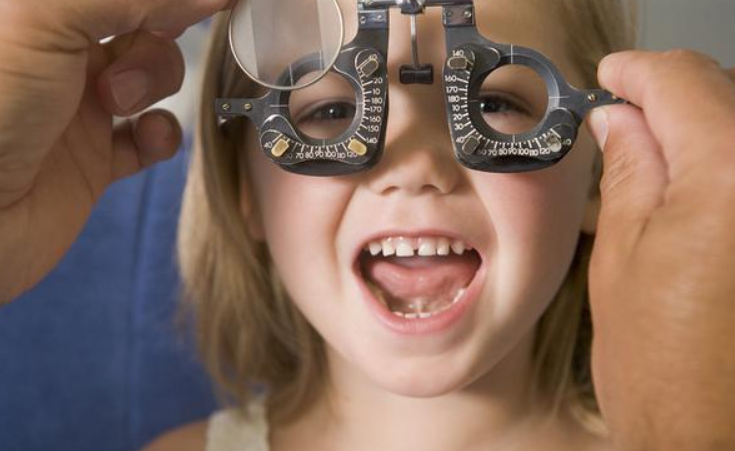
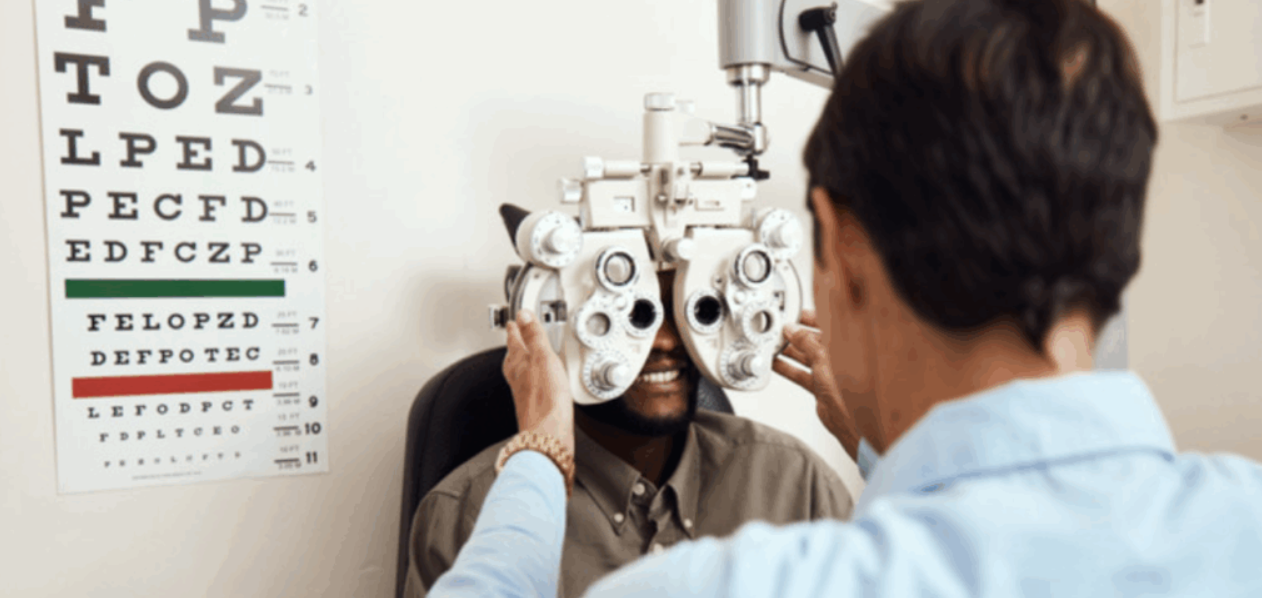
If you’ve never brought your child in for an eye exam, it’s normal to wonder what the visit looks like. The goal is to make the experience comfortable while getting a clear understanding of how your child is seeing and how their eyes are working together.
A pediatric eye exam typically includes:
A vision and prescription check
This helps determine whether your child needs glasses, and if so, what prescription gives the clearest vision.
Eye coordination and focusing evaluation
Kids can have issues that affect how the eyes team and focus, even if distance vision seems fine. These are important for:
- Reading
- Screen work
- Sustained attention at near distances
Eye health screening
Even for kids, checking eye health matters. It helps ensure there are no underlying concerns contributing to discomfort or blurry vision.
A plan that fits your child’s needs
Depending on the findings, recommendations may include:
- Glasses (full-time or part-time)
- Screen-related comfort tips
- Follow-up timing based on your child’s age and vision changes
Designs For Eyes provides pediatric eye care for families across Howell and nearby communities like Pinckney, helping parents feel confident about what their child needs and why.
FAQs: Kids, Screens, and Pediatric Eye Exams
What are signs my child needs an eye exam?
Common signs include squinting, headaches after school, blurry vision, avoiding reading, sitting close to screens, and frequent eye rubbing or blinking.
Can screen time cause blurry vision in kids?
Yes. Screen time can lead to eye strain and focusing fatigue, which may cause blurry vision that comes and goes. If it happens often, an eye exam can help.
How often should kids get eye exams?
Kids should have regular eye exams because their vision can change quickly as they grow and school demands increase. Your eye doctor can recommend the right schedule based on age and symptoms.