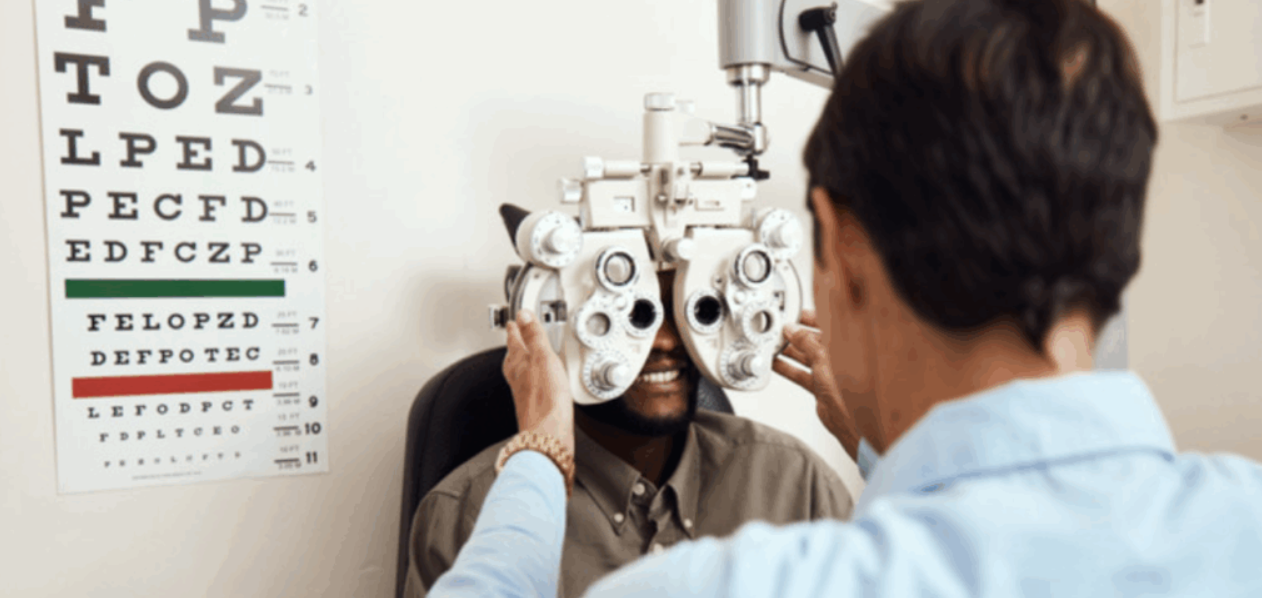
If you’ve ever wondered how often adults should get an eye exam, the general answer is every year. Even when your vision feels fine, routine eye exams play an important role in keeping your eyes comfortable and healthy over time.  The “prescription” is only a quarter of the entire exam.  Our eyes' muscle memory helps us adapt to life.  Silent and sometimes deadly systemic diseases are diagnosed through eye exams. 


This guide is for adults in Howell, Brighton, Hartland, Pinckney, and surrounding Livingston County communities who want clear, trustworthy guidance. Below, you’ll learn general exam recommendations, how health conditions can change exam frequency, and what actually happens during a routine eye exam so you know what to expect.

What Is the General Recommendation for Adult Eye Exams?

For most adults, eye exams are recommended every year.  This timeframe works well for monitoring vision changes and maintaining overall eye health, even when no symptoms are present.

Vision can change gradually, and many adults adapt without realizing their eyes are working harder than necessary. Routine exams help ensure prescriptions remain accurate and that subtle changes are addressed early. Waiting too long in between visits allows possible systemic health issues to go untreated.  It also makes adapting to the new vision requirement harder. 

Adults often benefit from regular exams if they:

  • Wear glasses or contact lenses

  • Spend significant time on computers or digital devices

  • Drive frequently, especially at night


  • Want to stay proactive about long-term eye health

Scheduling routine exams provides peace of mind and helps maintain clear, comfortable vision for everyday activities.


Do Health Conditions Affect How Often Adults Need Eye Exams?

Yes. Certain health factors can influence how often eye exams are recommended. While yearly works well for many adults, others may benefit from more frequent visits. These visits can be coordinated with your PCP or other specialists. 

You may need eye exams more often if you:

  • Have diabetes or other systemic health conditions

  • Have a history of eye disease or eye surgery

  • Experience dry eye symptoms or chronic irritation

  • Notice changes in vision, headaches, or eye strain

  • Have a family history of eye conditions or systemic conditions

Age can also play a role. As adults get older, the risk of certain eye conditions increases, making regular monitoring more important.

An eye doctor can recommend a personalized schedule based on your health history, lifestyle, and visual needs. This individualized approach helps ensure your eyes receive the right level of care at the right time.


What Happens During a Routine Eye Exam?

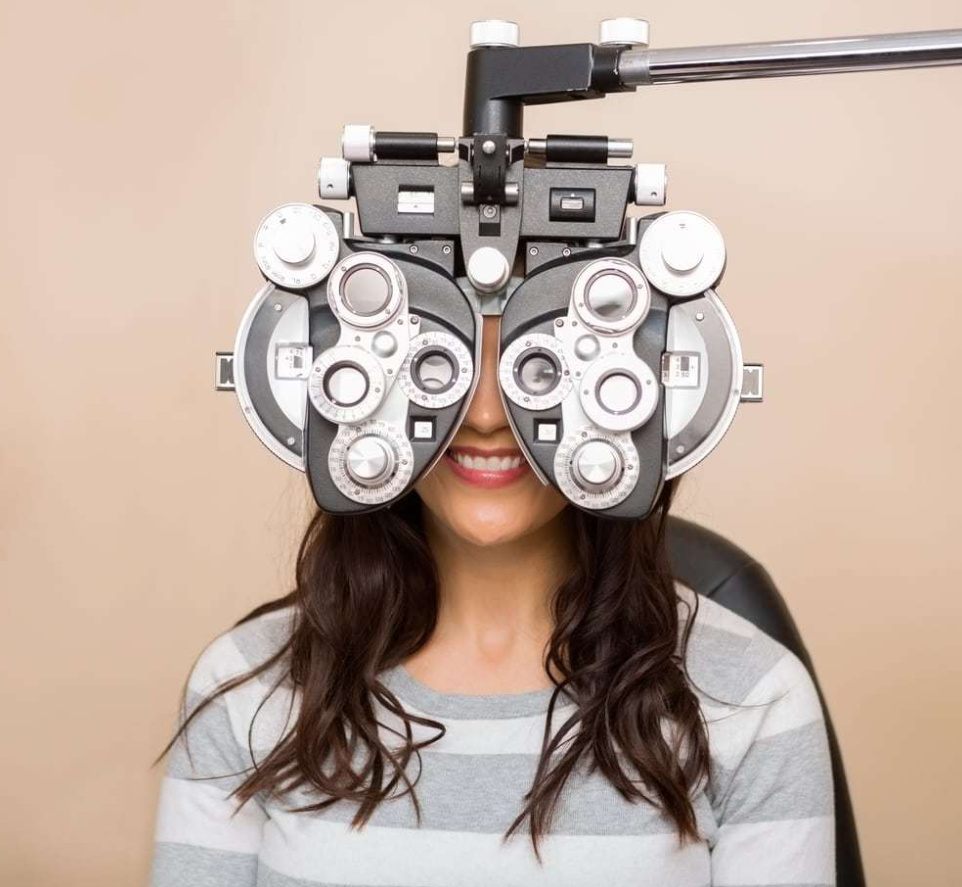
A routine eye exam looks at more than just how clearly you can see. It evaluates both vision and eye health to support comfort and long-term wellness.

During an exam, you can typically expect:

  • Vision testing to check clarity at different distances

  • A prescription check if you wear glasses or contacts

  • An evaluation of eye health and how your eyes function together

  • Time to discuss symptoms, daily habits, and visual concerns

Eye exams are also an opportunity to talk about lifestyle factors such as screen use, work demands, or nighttime driving. These conversations help ensure your vision correction supports how you actually live and work.

Adults in Howell and nearby communities often find that regular exams help address issues early, before discomfort or frustration sets in.


Can You Skip an Eye Exam If Your Vision Feels Fine?

Many adults assume they can delay an exam if they are not experiencing symptoms. While that can feel reasonable, it is not the best approach.

Some eye conditions develop without noticeable early symptoms. Routine exams allow eye doctors to monitor eye health and identify concerns before they begin to affect vision or comfort. Often, once symptoms present, the disease has reached a point of irreversibility.  Yearly exams provide the time to diagnose, “refer out”( if needed), correct or start treatment in the early stages.

Even if your prescription has not changed much, an exam can still be valuable for:

  • Confirming your eyes are working efficiently

  • Updating lenses for comfort or clarity

  • Addressing eye strain related to screens or driving

  • Providing reassurance about eye health

Knowing how often adults should get an eye exam helps take the guesswork out of staying proactive about vision care.


Why Regular Eye Exams Support Long-Term Eye Health

Eye exams are not just about seeing clearly today. They are an important part of maintaining eye health over time.

Regular exams help:

  • Track gradual vision changes

  • Monitor eye health as you age

  • Identify conditions early, when they are easier to manage

  • Ensure prescriptions support comfort and performance

At Designs For Eyes, adult eye exams are focused on clear communication, patient comfort, and guidance tailored to everyday life. This approach helps adults throughout Howell and surrounding areas stay confident about their vision year after year.


FAQs About Adult Eye Exam Frequency

How often should adults get an eye exam if they wear glasses or contacts?

Most adults who wear glasses or contacts benefit from exams every year. Your eye doctor may recommend a specific schedule based on your prescription and comfort.

Do adults need eye exams if they work on computers all day?

Yes. Extended screen use can contribute to eye strain and fatigue. Regular exams help ensure your eyes are working comfortably and efficiently.

Can eye exams detect health issues beyond vision problems?

Yes. Eye exams can reveal signs of certain health conditions and provide insight into overall eye health, even when vision feels normal.


For Booking your appointment please check our website 


January 30, 2026
If your eyes feel itchy, red, or irritated during colder months, you may be surprised to learn that allergies could be the cause. Can winter allergies affect your eyes? Yes, they can, and many patients experience symptoms even when there is no pollen in the air.  This blog is for patients and families in Howell, Brighton, Hartland, Pinckney, and surrounding Livingston County communities who want clear, trustworthy answers. Below, we’ll explain what causes winter eye allergies, how to tell the difference between allergies and dry eye, and when it’s time to see an eye doctor for relief.
By Designs for Eyes Vision Center Admin January 29, 2026
If your contact lenses feel less comfortable during colder months, you’re not imagining it. Contact lenses in winter can feel drier and more irritating due to cold outdoor air, dry indoor heating, and changes in daily habits.  This blog is for patients and families in Howell, Brighton, Hartland, Pinckney, and surrounding Livingston County communities who wear contacts and want clear, practical guidance. Below, you’ll learn why winter affects contact lens comfort, what you can do to stay comfortable, and when switching to glasses or scheduling an eye exam may be the right move.