If your eyes feel itchy, red, or irritated during colder months, you may be surprised to learn that allergies could be the cause. Can winter allergies affect your eyes? Yes, they can, and many patients experience symptoms even when there is no pollen in the air.
This blog is for patients and families in Howell, Brighton, Hartland, Pinckney, and surrounding Livingston County communities who want clear, trustworthy answers. Below, we’ll explain what causes winter eye allergies, how to tell the difference between allergies and dry eye, and when it’s time to see an eye doctor for relief.
What Causes Eye Allergies in Winter?
Unlike spring or fall allergies, winter eye allergies are usually triggered indoors rather than outdoors.
During colder months, people spend more time inside with windows closed and heating systems running. This increases exposure to indoor allergens that can irritate the eyes.
Common winter allergy triggers include:
- Dust mites, often found in bedding, carpets, and upholstery
- Pet dander, which can build up indoors during winter
- Mold, especially in damp areas or humidifiers that are not cleaned regularly
- Air circulation from heating systems, which can spread allergens throughout the home
Because these allergens are present daily, winter eye allergy symptoms may feel constant rather than seasonal.
Patients in Howell and nearby communities often notice symptoms worsen at home, overnight, or after long periods indoors.
What Eye Allergy Symptoms Are Common in Winter?
Winter eye allergy symptoms can vary from mild irritation to persistent discomfort. Many patients mistake these symptoms for dry eye because they occur during colder months.
Common signs of eye allergies include:
- Itchy eyes, often the most noticeable symptom
- Redness or irritation
- Watery or teary eyes
- Swelling around the eyes
- Sensitivity to light
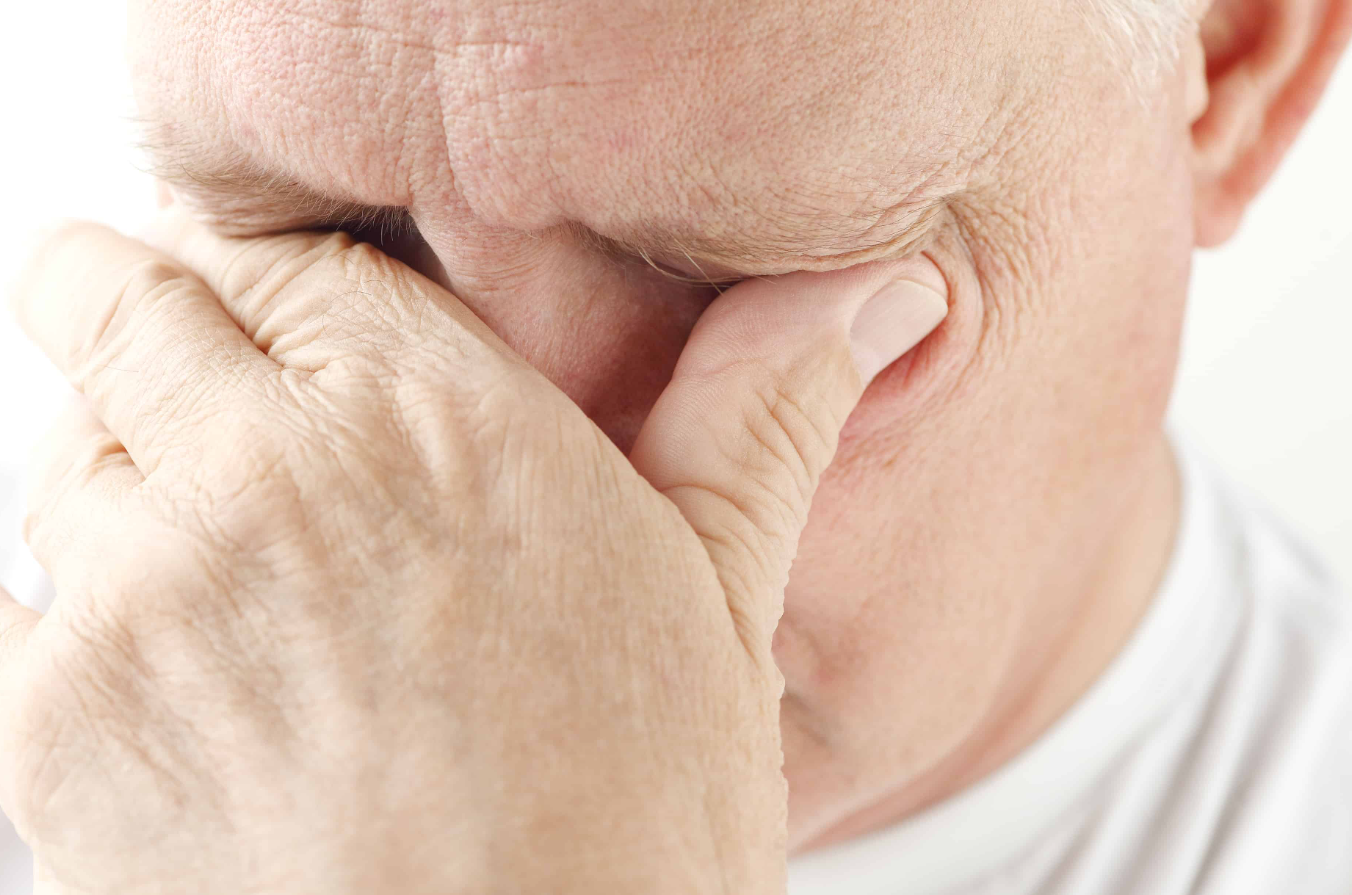
Symptoms often affect both eyes and may come on suddenly after exposure to allergens. Rubbing the eyes can make symptoms worse and increase irritation.
Children may also experience winter eye allergies and may complain of itchy eyes, rub their eyes frequently, or have difficulty focusing on schoolwork due to discomfort.

How Can You Tell the Difference Between Allergies and Dry Eye?
Eye allergies and dry eye can feel similar, but there are important differences. Understanding these can help guide the right treatment.
Signs More Common With Eye Allergies
- Intense itching
- Redness with watery eyes
- Sudden onset of symptoms
- Symptoms that worsen around specific environments or triggers
Signs More Common With Dry Eye
- Burning or gritty sensations
- Dry, tired, or heavy-feeling eyes
- Symptoms that worsen with screen use
- Gradual onset of discomfort
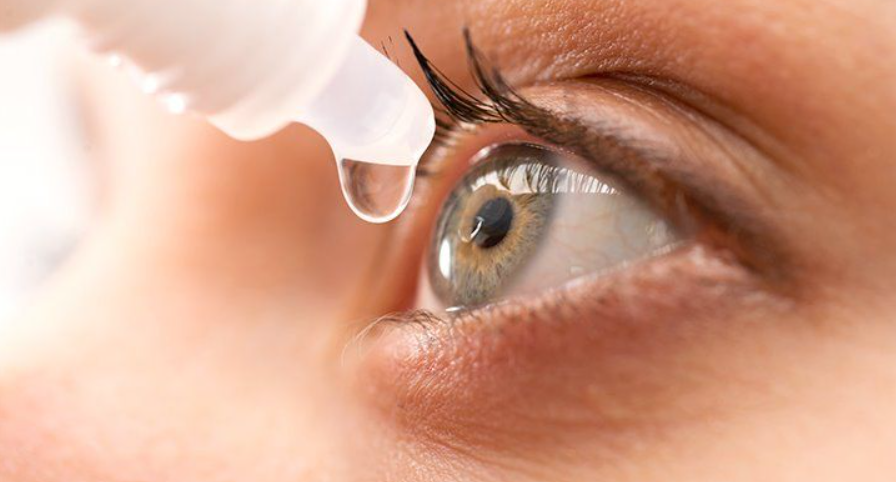
- Relief that improves briefly with blinking or artificial tears
It’s also possible to have both conditions at the same time, especially during winter when dry air and indoor allergens overlap. An eye exam is the best way to determine the exact cause of symptoms and avoid using treatments that may not be appropriate.

What Can Help Reduce Winter Eye Allergy Symptoms?
Managing winter eye allergies often involves reducing exposure to allergens and supporting overall eye comfort.
Helpful steps may include:
- Keeping bedding clean and washing it regularly
- Vacuuming carpets and upholstery frequently
- Managing pet dander by cleaning common areas
- Using humidifiers carefully and cleaning them often
- Avoiding rubbing the eyes, which can worsen irritation
- Professional in office cleanings
Some patients may benefit from eye comfort products or other recommendations based on their specific symptoms. Because treatment depends on the cause, professional guidance and deep cleaning is important to ensure safe and effective care.
At Designs For Eyes, patients receive personalized evaluations to determine whether symptoms are related to allergies, dry eye, or another concern.
When Should You See an Eye Doctor for Winter Eye Symptoms?
Occasional irritation can happen, but persistent symptoms should not be ignored.
You should schedule an eye exam if you experience:
- Ongoing itching or redness
- Blurry or fluctuating vision
- Eye discomfort that interferes with daily activities
- Symptoms that do not improve with basic at-home care
- Eye irritation combined with headaches or fatigue
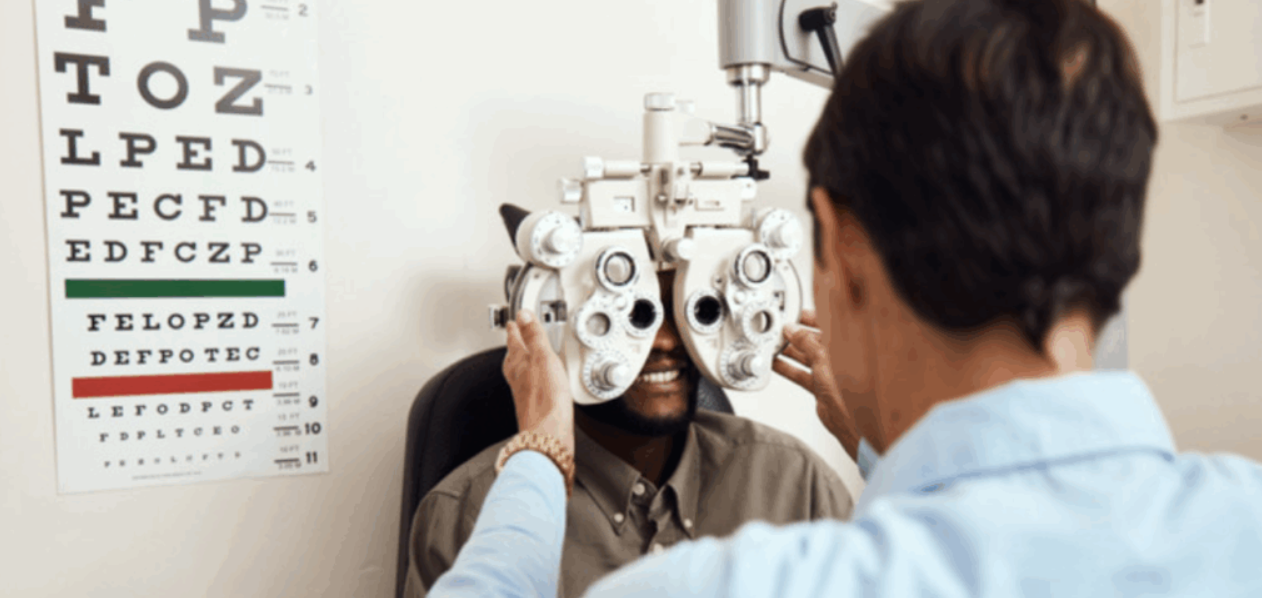
An eye exam can help identify whether symptoms are due to allergies, dry eye, or another eye health issue. Early evaluation helps prevent symptoms from becoming more severe and supports long-term eye comfort.
For patients in Brighton, Hartland, and Pinckney, winter is often when indoor-related eye symptoms become most noticeable.
FAQs About Winter Eye Allergies
Can winter allergies affect your eyes even without pollen?
Yes. Winter eye allergies are usually caused by indoor allergens such as dust mites, pet dander, and mold rather than outdoor pollen.
Why do my eyes itch more indoors during winter?
Spending more time indoors increases exposure to allergens that circulate through heating systems and settle on surfaces, which can irritate the eyes.
Should I treat winter eye allergies the same way as dry eye?
Not necessarily. Treatments differ depending on the cause. An eye exam helps determine the correct approach and avoids using products that may worsen symptoms.
For Booking your appointment please check
our website