If your eyes feel more tired, dry, or strained during the colder months, increased screen use may be a big reason why. Understanding how screen time affects your eyes in winter can help you take simple steps to stay comfortable and protect your vision.


This blog is for patients and families in Howell, Brighton, Hartland, Pinckney, and surrounding Livingston County communities who want clear, practical guidance. Below, we’ll explain common symptoms of digital eye strain, why winter makes it worse, what habits can help reduce discomfort, and when an eye exam is recommended.


What Symptoms Signal Eye Strain From Screen Time?

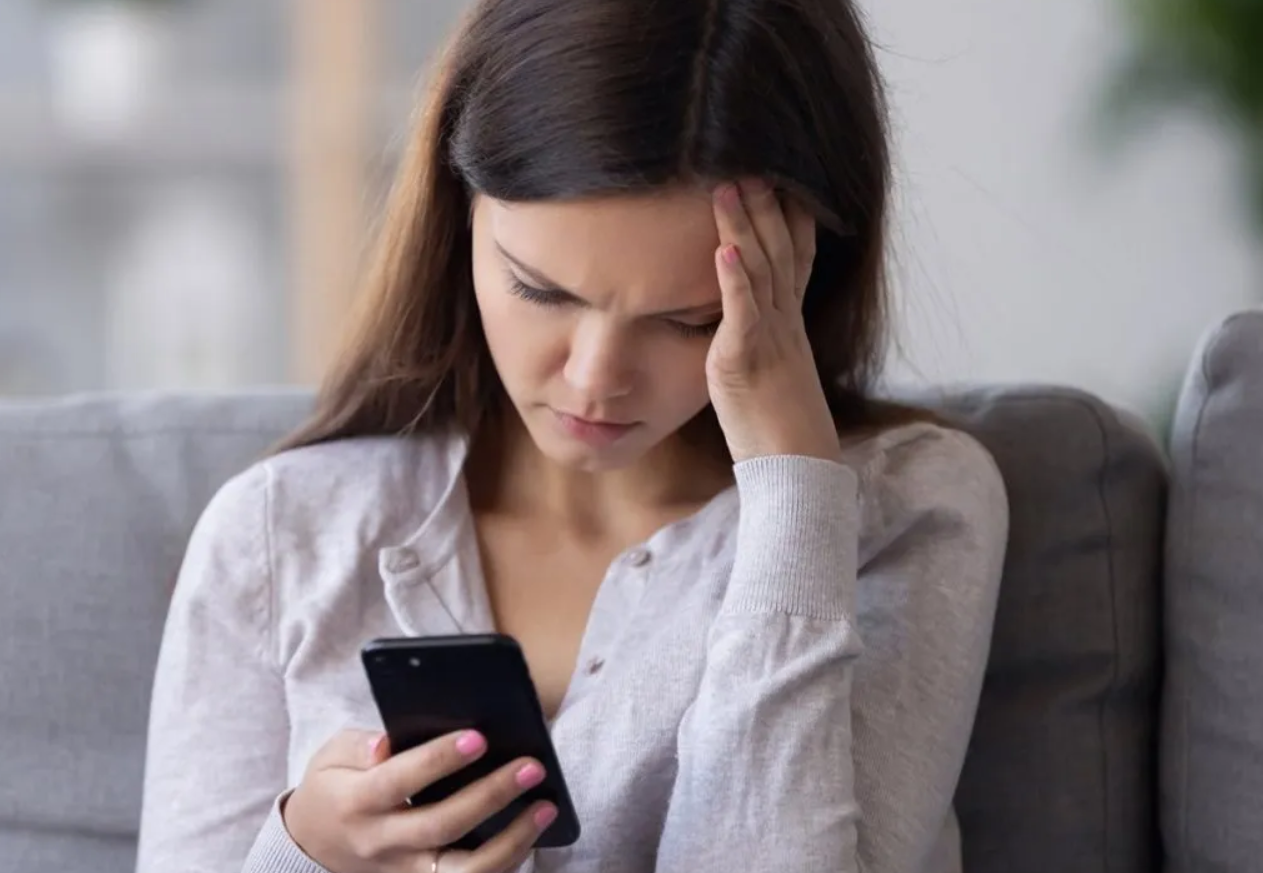
Eye strain can show up in different ways, and symptoms often build gradually. Many patients don’t realize their discomfort is related to screen use until it begins interfering with daily activities.

Common signs of eye strain include:

  • Tired, sore, or aching eyes

  • Headaches, especially after close-up work

  • Blurry or fluctuating vision

  • Difficulty focusing between near and far tasks

  • Increased sensitivity to light

  • Dry or watery eyes

Some people also notice neck or shoulder tension, which can be linked to posture during screen use.

During winter, these symptoms often become more noticeable as people spend more time indoors working, studying, or relaxing on digital devices.


Why Does Screen Time Feel Harder on Your Eyes in Winter?

Winter creates conditions that can amplify the effects of screen use on your eyes.

More time indoors
Shorter days and cold weather mean more time spent inside on computers, tablets, and phones. This increases close-up focusing demands on the eyes.

Reduced blinking
When focusing on screens, blinking naturally slows down. Blinking helps spread tears across the eye surface, so reduced blinking can lead to dryness and irritation.

Dry indoor air
Heating systems lower indoor humidity. Dry air causes tears to evaporate faster, which can make screen-related dryness worse.

Glare and lighting challenges
Dim winter light combined with bright screens can increase glare and visual stress, especially in home offices or classrooms.

Patients in Howell and nearby communities often notice that eye strain builds more quickly during winter than at other times of the year due to these combined factors.


How Can You Reduce Eye Strain During the Winter Months?

The good news is that small adjustments can make a noticeable difference in daily eye comfort. Reducing strain does not require eliminating screens entirely, but it does mean using them more intentionally.

Take Regular Screen Breaks

Giving your eyes a chance to relax is one of the most effective ways to reduce strain. Looking away from close-up work helps reset focusing muscles and encourages blinking.

Helpful reminders include:

  • Pause regularly from screens

  • Look across the room or out a window

  • Close your eyes briefly to rest them

Blink More Often

Blinking keeps eyes moist and comfortable. During screen use, make a conscious effort to blink fully and frequently.

Adjust Screen and Lighting Settings

Reducing glare can ease visual stress. Consider:

  • Adjusting screen brightness to match room lighting.  Use blue light filters

  • Using task lighting instead of overhead glare

  • Positioning screens slightly below eye level

Maintain Proper Posture and Viewing Distance

Screens should be positioned at a comfortable distance, usually about an arm’s length away. Good posture helps reduce neck and shoulder tension that often accompanies eye strain.

Limit Prolonged Screen Use When Possible

Balancing screen time with other activities can help prevent fatigue. Outdoor time, even in winter, supports overall eye comfort and wellness.

If symptoms persist despite these changes, an eye exam can help determine whether vision correction or additional guidance is needed.


When Is an Eye Exam Recommended for Screen-Related Symptoms?

Occasional eye strain can be normal, especially during busy or screen-heavy days. However, you should consider scheduling an eye exam if symptoms are:

  • Frequent or worsening

  • Interfering with work, school, or reading

  • Accompanied by headaches or blurry vision

  • Not improving with breaks and basic adjustments

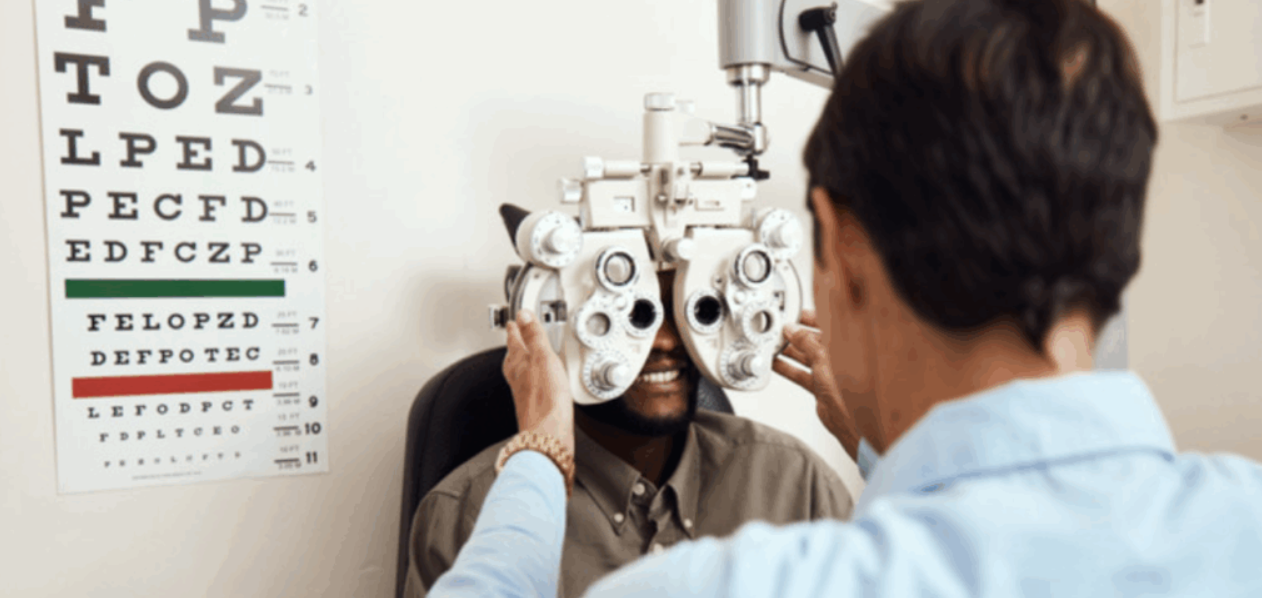
An eye exam can check whether your prescription is up to date and whether your eyes are working efficiently together. It also allows your eye doctor to recommend personalized strategies to improve comfort during screen use.

Routine exams are especially helpful during winter, when environmental factors and screen habits often combine to increase discomfort.

At Designs For Eyes, patients receive clear explanations and practical guidance tailored to their daily routines and visual needs.


FAQs About Screen Time and Eye Strain

Does screen time permanently damage your eyes?

No. Screen use does not cause permanent eye damage. However, it can lead to sleep disturbances, temporary discomfort, and strain if habits and visual needs are not addressed.

Why do my eyes feel dry after using a computer?

Reduced blinking and dry indoor air cause tears to evaporate faster during screen use, leading to dryness and irritation.

Can kids experience eye strain from screens?

Yes. Children can experience eye strain, especially during winter when screen use increases for school and entertainment. Encouraging breaks and healthy habits is important.


For Booking your appointment please check our website 


January 30, 2026
If your eyes feel itchy, red, or irritated during colder months, you may be surprised to learn that allergies could be the cause. Can winter allergies affect your eyes? Yes, they can, and many patients experience symptoms even when there is no pollen in the air.  This blog is for patients and families in Howell, Brighton, Hartland, Pinckney, and surrounding Livingston County communities who want clear, trustworthy answers. Below, we’ll explain what causes winter eye allergies, how to tell the difference between allergies and dry eye, and when it’s time to see an eye doctor for relief.
By Designs for Eyes Vision Center Admin January 29, 2026
If your contact lenses feel less comfortable during colder months, you’re not imagining it. Contact lenses in winter can feel drier and more irritating due to cold outdoor air, dry indoor heating, and changes in daily habits.  This blog is for patients and families in Howell, Brighton, Hartland, Pinckney, and surrounding Livingston County communities who wear contacts and want clear, practical guidance. Below, you’ll learn why winter affects contact lens comfort, what you can do to stay comfortable, and when switching to glasses or scheduling an eye exam may be the right move.