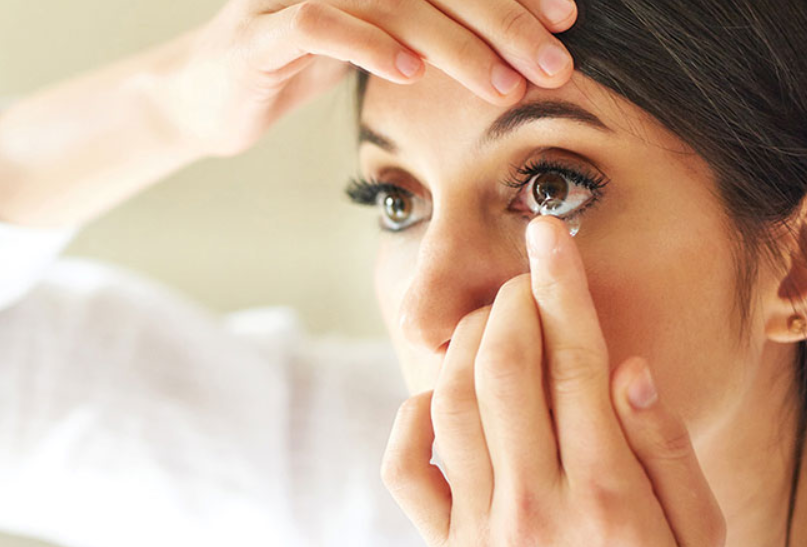
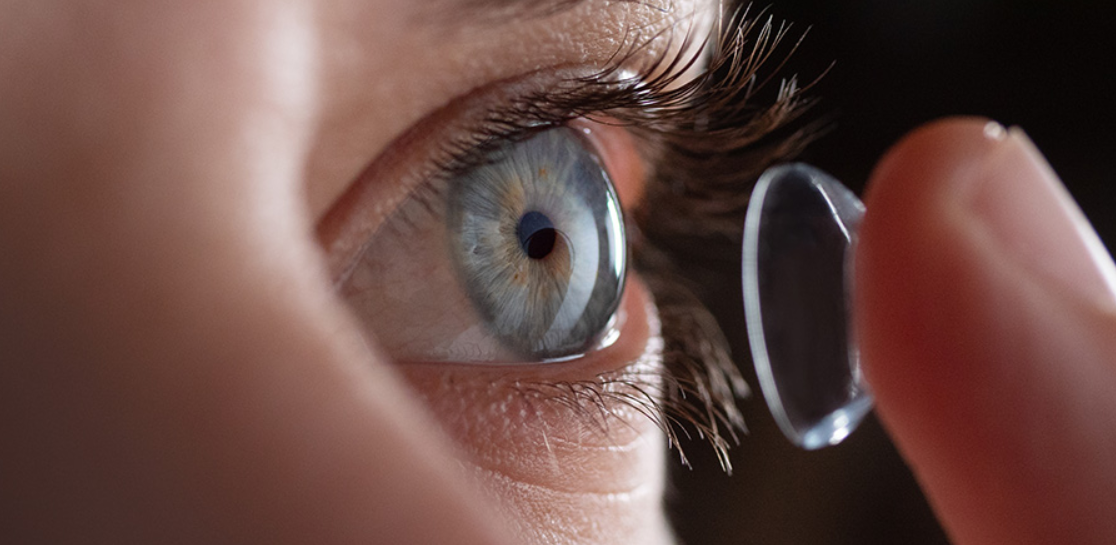
If your contact lenses feel dry or uncomfortable during winter, cold weather is often the reason. Understanding how cold weather affects contact lens comfort can help you make small changes that keep your eyes feeling better throughout the season.

This blog is for contact lens wearers in Howell, Brighton, Hartland, Pinckney, and surrounding Livingston County communities who want clear, practical answers.


Below, you’ll learn why winter conditions affect contact lenses, which lens options may help, when it makes sense to switch to glasses, and when an eye exam is recommended.

Why Do Contact Lenses Feel Drier in Cold Weather?

Cold weather creates a challenging environment for contact lens comfort, even for patients who normally tolerate lenses well.

During winter, both outdoor and indoor air contain less moisture. Cold air naturally holds less humidity, and indoor heating systems lower humidity even further. This dry environment causes tears to evaporate more quickly, which can leave contact lenses feeling dry or unstable.

Other winter-related factors include:

  • Indoor heating, which dries out homes, workplaces, and schools

  • Cold wind exposure, which can irritate the eyes outdoors

  • Increased screen time, especially during shorter winter days

  • Reduced blinking, which limits natural eye lubrication

Patients in Howell and nearby areas often notice that lenses feel comfortable early in the day but become dry or irritating by afternoon or evening during winter months.


Are Certain Contact Lenses Better for Winter Comfort?

Yes. Not all contact lenses perform the same way in dry conditions, and some options may feel more comfortable during winter.

Depending on your eyes and lifestyle, certain lenses may help improve comfort:

  • Daily disposable lenses, which provide a fresh, hydrated lens each day

  • Lenses made with moisture-retaining materials, designed to reduce dryness

  • Updated lens designs, which may improve stability and clarity

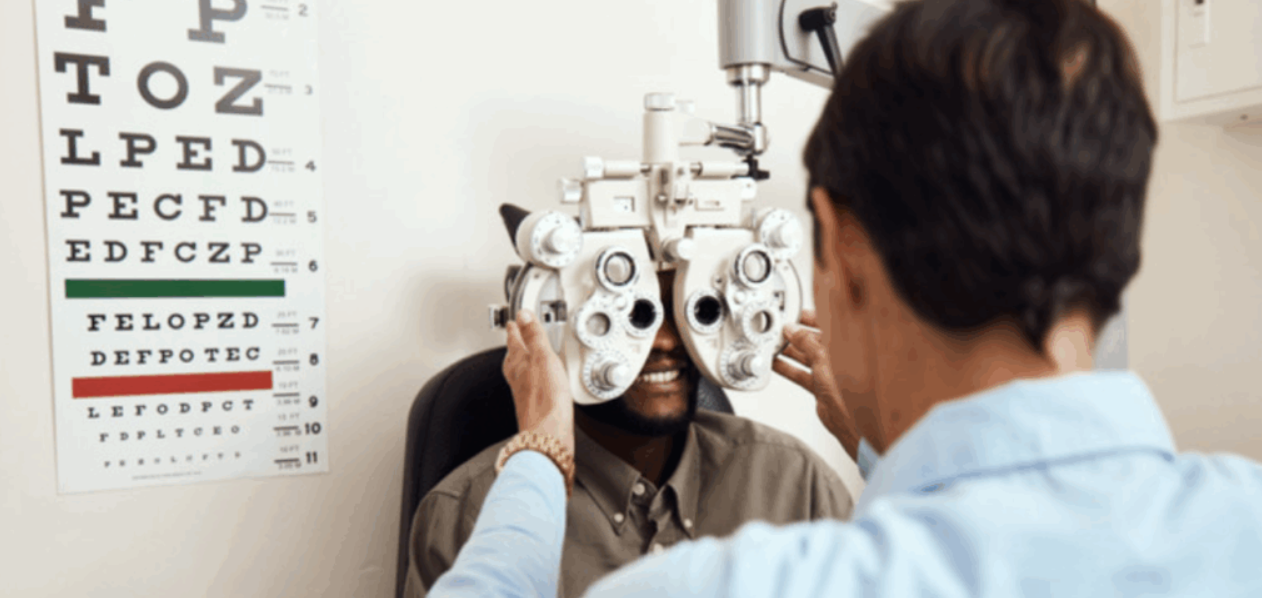
Some patients find that lenses they wore comfortably for years feel different as seasons or routines change. An eye exam allows an eye doctor to evaluate whether your current lenses are still the best option or if a different lens type may improve comfort during winter.


What Can You Do to Improve Contact Lens Comfort in Winter?

Many patients find relief by making small adjustments to daily habits and environments. Comfort often improves when multiple factors are addressed together.

Manage Dry Indoor Air

Using a humidifier adds moisture back into the air and helps slow tear evaporation. This can make a noticeable difference in bedrooms, home offices, and living spaces.

Blink More Often and Take Screen Breaks

Reduced blinking is a major contributor to dryness. Make a conscious effort to blink fully, especially during screen use, and take regular breaks from close-up work. Practice the 20/20/20 rule to un-lock the muscles and create tear films. 

Stay Hydrated

Hydration supports tear production. Drinking enough water throughout the day helps maintain eye comfort, particularly in dry winter conditions.

Follow Proper Lens Care and Replacement Schedules

Wearing lenses longer than recommended can worsen dryness. Following prescribed wear schedules helps lenses perform as intended.

Use Eye Comfort Products When Recommended

Some eye comfort products can help support moisture while wearing contact lenses. These should only be used based on guidance from an eye care professional to ensure compatibility with your lenses.

If discomfort persists despite these changes, an eye exam can help identify the cause and guide next steps.


When Should You Switch to Glasses During Winter?

There are times when giving your eyes a break from contact lenses is the most comfortable option.

You may want to switch to glasses temporarily if:

  • Contact lenses consistently feel uncomfortable

  • Dryness or irritation does not improve

  • Vision becomes blurry or fluctuates

  • Your eyes feel strained or fatigued

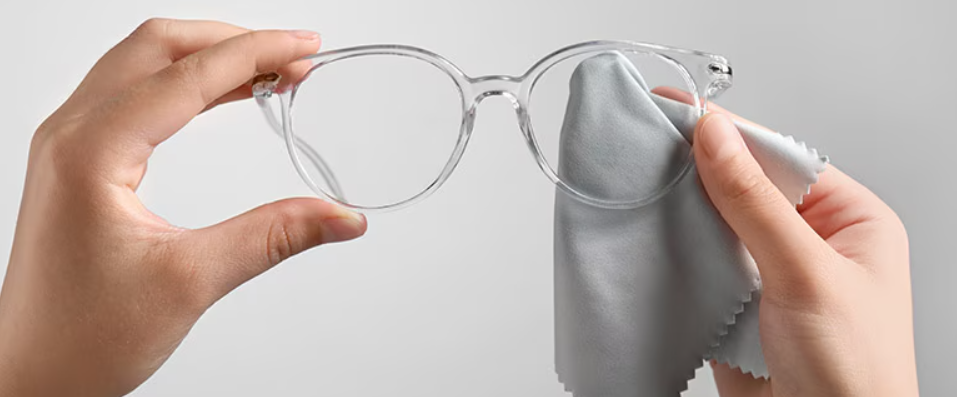
Wearing glasses part-time during winter can help reduce dryness and allow the eyes to recover. Many patients alternate between contacts and glasses depending on daily activities or weather conditions.

An eye doctor can help determine the best balance between contact lenses and glasses based on your individual needs.

At Designs For Eyes, patients receive personalized guidance to help manage seasonal contact lens discomfort while maintaining clear, comfortable vision.


FAQs About Cold Weather and Contact Lens Comfort

Why do my contacts feel fine in summer but dry in winter?

Winter air contains less moisture, and indoor heating lowers humidity even further. This causes tears to evaporate more quickly, making lenses feel drier.

Are daily contact lenses better for winter?

Some patients find daily disposable lenses more comfortable in winter because they provide a fresh, hydrated lens each day. An eye exam can help determine if this option is right for you.

Should I stop wearing contacts completely during winter?

Not necessarily. Many patients do well with small adjustments or part-time glasses use. Persistent discomfort should be evaluated by an eye doctor.


For Booking your appointment please check our website 

January 30, 2026
If your eyes feel itchy, red, or irritated during colder months, you may be surprised to learn that allergies could be the cause. Can winter allergies affect your eyes? Yes, they can, and many patients experience symptoms even when there is no pollen in the air.  This blog is for patients and families in Howell, Brighton, Hartland, Pinckney, and surrounding Livingston County communities who want clear, trustworthy answers. Below, we’ll explain what causes winter eye allergies, how to tell the difference between allergies and dry eye, and when it’s time to see an eye doctor for relief.
By Designs for Eyes Vision Center Admin January 29, 2026
If your contact lenses feel less comfortable during colder months, you’re not imagining it. Contact lenses in winter can feel drier and more irritating due to cold outdoor air, dry indoor heating, and changes in daily habits.  This blog is for patients and families in Howell, Brighton, Hartland, Pinckney, and surrounding Livingston County communities who wear contacts and want clear, practical guidance. Below, you’ll learn why winter affects contact lens comfort, what you can do to stay comfortable, and when switching to glasses or scheduling an eye exam may be the right move.