
If you’re wondering how often you really need an eye exam, the short answer is: most adults benefit from an eye exam every year, and kids should be checked regularly because their vision can change quickly as they grow and learn.


This guide is for adults, parents, and families in Hartland, Howell, Brighton, Pinckney, and nearby Livingston County communities who want clear, trustworthy guidance on when to schedule eye exams and what signs mean you shouldn’t wait.


Below, we’ll break down recommended exam schedules, symptoms that should be checked sooner, and how screen time and daily habits can impact comfort and vision.

How often should adults get an eye exam?

For most adults, a good general recommendation is an eye exam every year. The “right” timing depends on your age, whether you wear glasses or contacts, and whether your eyes are staying stable from year to year.

Here are a few common situations where yearly exams are often a good idea:

  • You wear glasses or contact lenses and your prescription changes over time

  • You get frequent headaches, eye strain, or blurry vision during reading or computer work

  • You notice your night vision feels worse than it used to

  • You’re managing certain health conditions or taking medications that may affect your eyes

  • You’ve been told you have dry eye, cataracts, or other ongoing concerns that need monitoring

Why routine exams matter even if you “see fine”

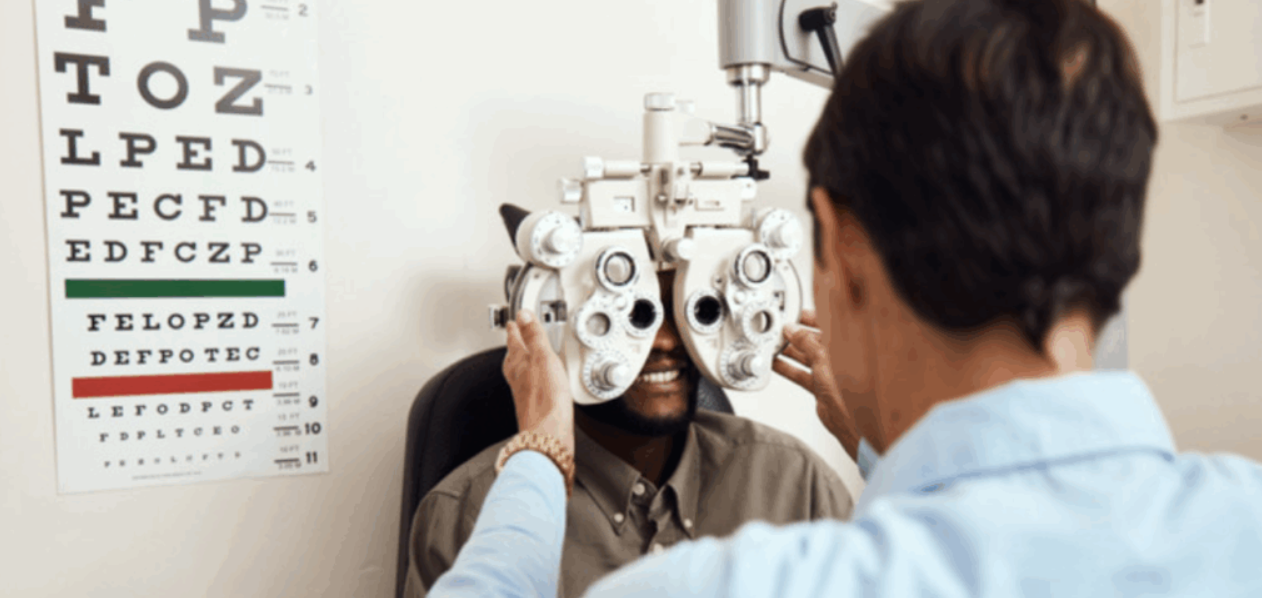
Many people schedule an exam only when they feel their vision is getting worse. But eye exams don’t just measure how clearly you can see. The exam is a health check for the entire eye system, including blood vessels, arteries and the optic nerve (the nerve to the brain). It also provides a look into someone's systemic health. Often those are silent killers. 

A routine exam is also a chance to talk about everyday concerns like:

  • Eye fatigue at the end of the day

  • Trouble focusing after long work hours

  • Dryness, burning, or watery eyes

  • Needing brighter light to read comfortably

If you live in a busy area like Hartland, Howell, Brighton, Pinckney, and nearby Livingston County communities, or work on screens most of the day, it’s easy to normalize discomfort. An eye exam can help you sort out what’s typical versus what’s worth addressing.


How often do kids need eye exams as they grow?

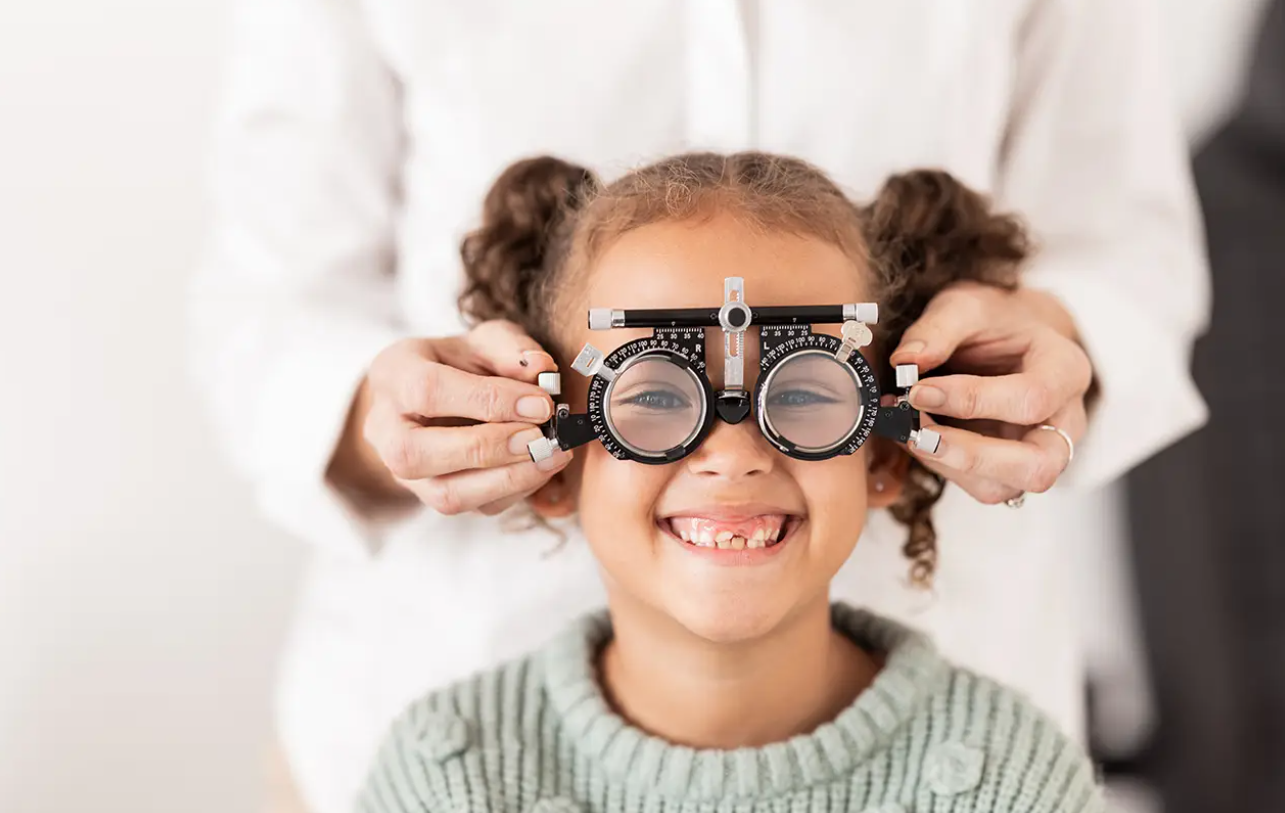
Kids should have regular eye exams because their vision can change quickly, especially during key learning years. School, sports, and increased reading and screen time can all make small vision issues more noticeable, and kids don’t always know how to explain what they’re experiencing.

A child’s eye exam schedule is usually based on:

  • Age and developmental stage

  • Family history of vision problems

  • Signs of focusing issues or eye teaming challenges

  • School performance and reading habits

  • Whether they already wear glasses or contacts

Why eye exams are especially important for school-age children

A child can have vision changes even if they’ve never complained. Sometimes kids assume everyone sees the same way they do, so they don’t mention blurry vision or trouble reading a board.

It can also show up indirectly, such as:

  • Avoiding reading or homework

  • Losing their place while reading

  • Rubbing their eyes frequently

  • Getting tired quickly during close-up tasks

  • Becoming frustrated with schoolwork that involves focus

Parents in Hartland, Howell, Brighton, Pinckney, and nearby Livingston County communities often notice these patterns during the school year, when visual demands increase. That’s why regular eye exams can be a helpful part of keeping kids supported academically and comfortably.

A quick note for parents

If your child recently had a vision screening at school or their pediatrician’s office, that’s helpful, but it’s not the same as a comprehensive eye exam. Screenings can miss some issues, especially those related to eye coordination, focusing, or mild prescription changes.

A full eye exam gives a much clearer picture of how your child’s eyes are working together and whether vision could be affecting learning.


What symptoms mean you should schedule an eye exam sooner?

Sometimes the timing isn’t about “How long has it been?” It’s about what your eyes are telling you right now.

You should schedule an eye exam sooner rather than later if you notice:

For adults

  • Sudden vision changes (blurry, distorted, or noticeably different in one eye)

  • Ongoing blurry vision, even with your current glasses or contacts

  • Eye pain or discomfort that doesn’t improve

  • Persistent redness

  • Light sensitivity

  • Frequent headaches, especially after reading or screen use

  • Trouble seeing clearly at night, including glare or halos

If your vision changes quickly or symptoms feel intense, it’s best not to wait for your next routine visit. It’s always okay to call and ask if you should be seen sooner. Time is of the essence!

For kids

Kids don’t always say “I can’t see.” Their symptoms may show up as behaviors. Consider booking an appointment if your child:

  • Squints often

  • Sits very close to screens or holds books close

  • Complains of headaches after school

  • Avoids reading or loses interest quickly

  • Struggles in class unexpectedly

  • Rubs their eyes frequently or seems visually tired

These are signs it may be time to check their vision, even if it hasn’t been long since their last appointment. Kids grow, and so do their eyes.  If their shoes are small, they need an exam.


Does screen time change how often you need an eye exam?

Screen time doesn’t permanently damage vision, but it can absolutely affect comfort, focus, and symptoms, which may lead you to need an exam sooner than expected.

For both adults and kids, too much screen time can contribute to:

  • Eye strain and fatigue

  • Dryness or burning

  • Blurry vision that comes and goes

  • Difficulty focusing after long periods of close work

  • More headaches related to visual tasks

This can be especially noticeable during:

  • The school year, when reading and computer work increase

  • Winter months, when people spend more time indoors

  • Busy work seasons, when adults are on screens all day

When screen time is a sign you should schedule sooner

If you or your child are experiencing symptoms and your current prescription feels less comfortable, it’s a good time to schedule an eye exam. Even if the prescription hasn’t changed much, small adjustments and comfort-focused recommendations can make a big difference.

An exam can help identify whether symptoms are coming from:

  • A prescription that needs updating

  • Dry eye or reduced blinking

  • Focusing fatigue

  • Screen habits or lighting issues

  • Eye alignment or coordination concerns (especially in kids)

Tips that can help between exams

While an eye exam is the best next step if symptoms are ongoing, these simple habits can also support comfort:

  • Take screen breaks regularly (especially during long work or homework sessions)

  • Blink more intentionally during close-up tasks

  • Use good lighting for reading

  • Keep screens at a comfortable distance

  • Make sure kids aren’t working too close to tablets or laptops for long stretches

If symptoms are persistent, though, it’s worth getting checked.


FAQs: Eye Exam Frequency for Adults and Kids


How do I know if I need an eye exam or just a new glasses prescription?

If you’re noticing frequent squinting, headaches, or blur (especially while driving or reading), you may need a prescription update. But an eye exam also checks eye health and comfort issues like dryness or focusing fatigue, so it’s still worth scheduling a full exam instead of guessing.


Can my child need glasses even if they pass a school vision test?

Yes. School vision screenings are helpful, but they can miss issues like focusing problems, eye teaming challenges, and milder prescriptions. If your child is struggling in school, avoids reading, or complains of headaches, it’s a good reason to schedule a comprehensive exam.


If my vision feels fine, do I still need routine eye exams?

Often, yes. Some eye health changes can develop slowly without noticeable symptoms at first. Routine exams help detect changes early, identify systemic issues, and keep your vision as comfortable as possible over time, especially if you’re using screens often or experiencing subtle strain.

By Sheileen Parracino February 24, 2026
If you spend hours on a screen and your eyes feel tired, dry, or unfocused by the end of the day, it’s natural to wonder: do blue light glasses work? The short answer is that they can help some people feel more comfortable, but they’re not a magic fix and they’re not the only solution for screen related eye strain.  This blog is for students, parents, office workers, and anyone in Hartland, Howell, Brighton, Pinckney, and nearby Livingston County communities who wants a clear, trustworthy explanation of what blue light glasses actually do, who they may help, and what else you can do to feel better during screen time. Below, we’ll break down what’s really behind screen discomfort, what blue light lenses may (and may not) do, and how to build a screen routine that supports comfortable vision long-term.
By Sheileen Parracino February 23, 2026
If you’ve ever been told you have “20/20 vision,” you might assume your eyes are perfectly healthy, and you don’t need eye exams anymore. But here’s the key takeaway: 20/20 vision only describes how clearly you can see at a distance. It does not tell the full story about how your eyes are functioning or how healthy they are. This guide is for anyone in Hartland, Howell, Brighton, Pinckney, and nearby Livingston County communities who wants a clear, patient-friendly answer to a common question: What does 20/20 vision mean, and what does it not mean? Below, we’ll explain what the eye chart measures, why you can still have eye issues even with 20/20, and what a comprehensive eye exam checks beyond “reading the letters.”