

Winter in Michigan can be tough on your eyes. Cold air, wind, indoor heating, and more screen time can all contribute to dryness, irritation, and eye fatigue during the colder months.
These winter eye care tips are designed for Michigan patients and families who want to stay comfortable and protect their vision throughout the season. Below, you’ll learn why winter affects your eyes, which symptoms are most common, and what simple habits can help keep your eyes feeling healthy whether you’re at home, at work, or outdoors.
Do Cold Temperatures Affect Eye Health?
Cold temperatures themselves do not damage healthy eyes, but winter conditions can make existing eye issues more noticeable and uncomfortable.
During Michigan winters, outdoor air holds less moisture. When you combine that with indoor heating, the environment becomes very dry. This dryness can affect the tear film that protects and lubricates your eyes, leading to irritation and discomfort.
Other winter-related factors that can affect eye comfort include:
- Wind exposure, especially on cold or blustery days
- Glare from snow, which reflects sunlight and increases eye strain
- Reduced blinking, often linked to increased screen use during shorter days
- Spending more time indoors, where heating systems dry the air
Patients in Howell, Brighton, Hartland, and Pinckney often notice that their eyes feel more tired or irritated during winter even if they don’t have symptoms during warmer months.
What Winter Eye Symptoms Are Most Common?
Many Michigan patients are surprised to learn that watery eyes can actually be a sign of dryness. When eyes become dry or irritated, the body may overproduce tears as a protective response.
Common winter eye symptoms include:
- Dry, itchy, or burning sensations
- Redness or irritation
- Watery eyes
- Blurry or fluctuating vision
- Increased eye fatigue, especially after screen use
These symptoms are particularly common for people who work on computers, wear contact lenses, or move frequently between cold outdoor air and warm indoor environments.
Children may also experience winter eye discomfort, especially if they spend time outdoors playing in the cold or indoors using tablets and computers more frequently.

Why Does Winter Make Dry Eye Worse?
Dry eye symptoms often worsen in winter because multiple environmental factors stack together at the same time.
Low humidity
Cold air outside and heated air inside both lack moisture. This causes tears to evaporate more quickly from the eye’s surface.
Indoor heating systems
Furnaces, space heaters, and forced air systems dry the air throughout homes, schools, and workplaces in Livingston County.
Increased screen time
During winter, many people spend more time indoors watching TV, working on computers, or using phones. Screen use reduces blinking, which can worsen dryness and eye strain.
Wind exposure outdoors
Cold wind can irritate the eyes and disrupt the tear film, especially without protective eyewear.
For patients who already have dry eye, allergies, or contact lens discomfort, these winter factors can significantly increase symptoms.

What At-Home Winter Eye Care Tips Actually Help?
The good news is that small, consistent habits can make a meaningful difference in eye comfort during Michigan winters.
Use a Humidifier Indoors
Adding moisture to the air helps reduce tear evaporation and eye dryness. Using a humidifier in bedrooms, living areas, or home offices can be especially helpful during overnight hours and workdays.
Wear Sunglasses or Protective Eyewear Outdoors
Even in winter, sunglasses serve an important purpose. They help reduce wind exposure and glare from snow, which can strain your eyes. Wraparound styles provide additional protection on windy days.
Take Regular Screen Breaks
Follow the 20-20-20 rule when possible. Every 20 minutes, look at something 20 feet away for 20 seconds. This encourages blinking and helps reduce eye fatigue.
Stay Hydrated
Drinking enough water supports overall health, including tear production. Dehydration can contribute to dry eyes, especially when combined with dry winter air. Consider OTC eye drops, re-usable warm compresses, and vitamin supplements. We can offer recommendations.
Support Eye Health Through Nutrition
A balanced diet that includes nutrients important for eye health can help support comfort and function. Foods rich in omega-3 fatty acids, vitamins A, C, and E, and zinc all play a role in eye wellness. Green and deep colored food such as purple carrots, kale and blueberries are suggested. We provide a list of foods that help with long term eye health.
Use Eye Comfort Products as Recommended
Artificial tears or other eye comfort products may help, but it’s important to use products recommended by your eye care provider. Not all drops are the same, and some are better suited for frequent use than others.
If symptoms persist or worsen despite these steps, it may be time for a comprehensive eye exam to determine the underlying cause.
When Should You See an Eye Doctor in Winter?
Occasional dryness or irritation can be normal during winter. However, you should schedule an eye exam if you notice:
- Persistent discomfort that does not improve with basic care
- Blurry vision that comes and goes
- Redness, burning, or stinging that lasts for days
- Increased sensitivity to light
- Contact lens discomfort that interferes with daily wear
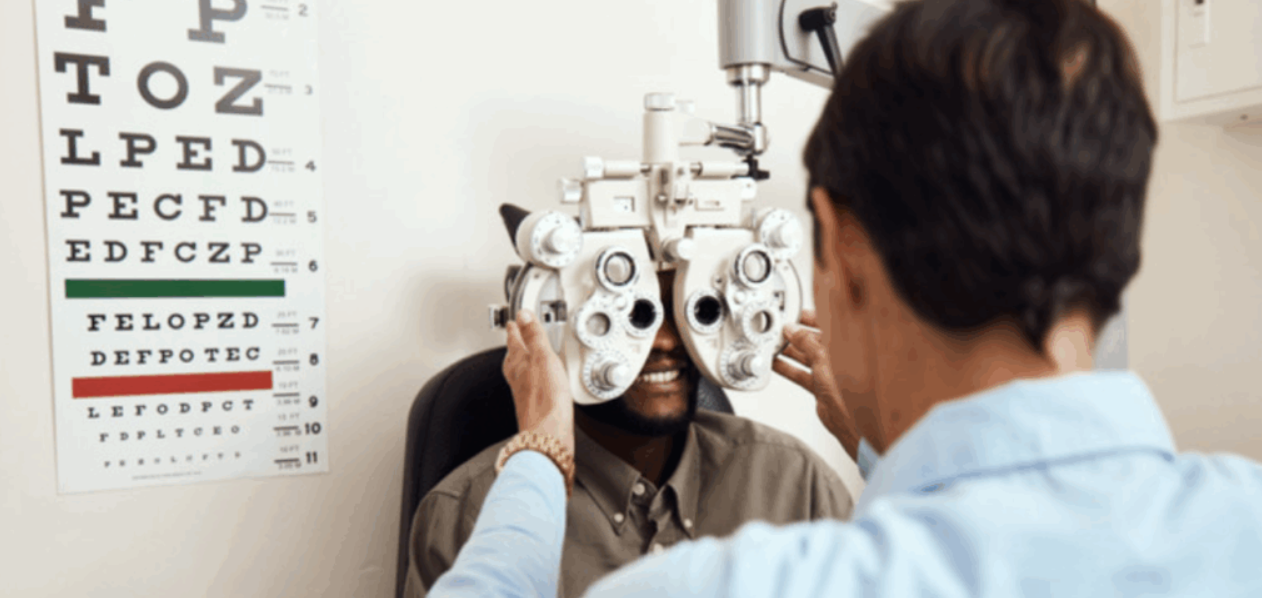
A comprehensive eye exam can help identify dry eye, prescription changes, or other issues that may be contributing to winter symptoms. For patients in Howell and nearby communities, winter is often when underlying eye conditions become more noticeable.
At Designs For Eyes, patients of all ages receive personalized guidance to help manage seasonal eye concerns and maintain clear, comfortable vision year-round.
FAQs About Winter Eye Care in Michigan
Can winter weather permanently damage my eyes?
In most cases, winter weather does not cause permanent eye damage. However, untreated dry eye or ongoing irritation can affect comfort and visual clarity. Regular eye exams help ensure issues are addressed early.
Why do my eyes water more in cold weather?
Watery eyes are often a response to dryness or irritation. Cold air and wind can trigger reflex tearing as your eyes try to protect themselves.
Should I still wear sunglasses in winter?
Yes. Sunglasses help reduce glare from snow and protect your eyes from wind and UV exposure, which is present year-round even on cloudy days.
For Booking your appointment please check our website