If you’re planning health checkups for the new year, a January kids eye exam is a smart place to start. After a full school semester, January offers an ideal opportunity to check in on your child’s vision and make sure it’s supporting their learning and comfort.


This blog is written for parents and caregivers in Howell, Brighton, Hartland, Pinckney, and surrounding Livingston County communities. Below, we’ll explain why January timing matters, what vision changes can happen during the school year, and how regular eye exams help children succeed both in and out of the classroom.


Why Is January an Ideal Time for Kids’ Eye Exams?

January sits at a natural pause point in the school year. By this time, children have completed months of reading, homework, and screen use, all of which place increased demands on their visual system.

Scheduling a January kids eye exam allows parents to:

  • Check vision after a full academic semester

  • Identify changes before they impact the rest of the school year

  • Address issues early rather than waiting until summer

  • Reset routines after the busy holiday season

Many families in Howell and nearby areas find January appointments easier to schedule once holiday activities slow down and school routines are re-established.


What Vision Changes Can Happen During the School Year?

Children’s vision can change more quickly than adults’, especially during periods of growth and increased visual demands. If they’ve outgrown their shoes and jeans, they’ve outgrown their previous visual acuities. The school year places unique stress on developing eyes. Ninety percent (90%) of learning is done through vision vs the other senses.

Common vision-related changes during the school year may include:

  • Difficulty focusing on near work such as reading or writing

  • Trouble seeing the board or screens clearly

  • Eye strain or headaches after school

  • Increased fatigue during homework

  • Avoidance of reading or close-up tasks
  • Staying on task

Screen use often increases during the school year, both in the classroom and at home. Extended screen time can contribute to eye strain and discomfort, especially if a child’s vision needs have changed.

Because children may not realize their vision has changed, they often do not complain. Routine exams are important for catching issues that may quietly affect learning and confidence.


How Often Should Children Have Eye Exams?

Children benefit from regular eye exams even when no problems are obvious. Vision plays a major role in learning, reading, and overall development.

Routine eye exams help:

  • Monitor visual development

  • Catch issues early, when they are easier to address

  • Ensure vision supports classroom learning

  • Provide guidance as visual demands change

The recommended exam schedule can vary based on a child’s age, vision history, and individual needs. An eye doctor can help determine how often exams should occur and whether additional follow-up is needed during the school years.

For families in Brighton, Hartland, and Pinckney, January is often a practical checkpoint to ensure children are visually prepared for the remainder of the school year.


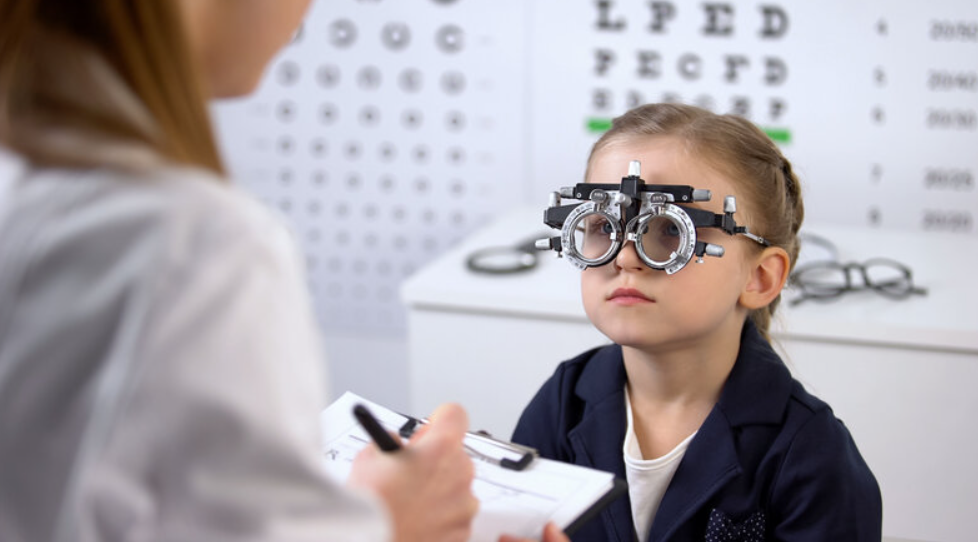
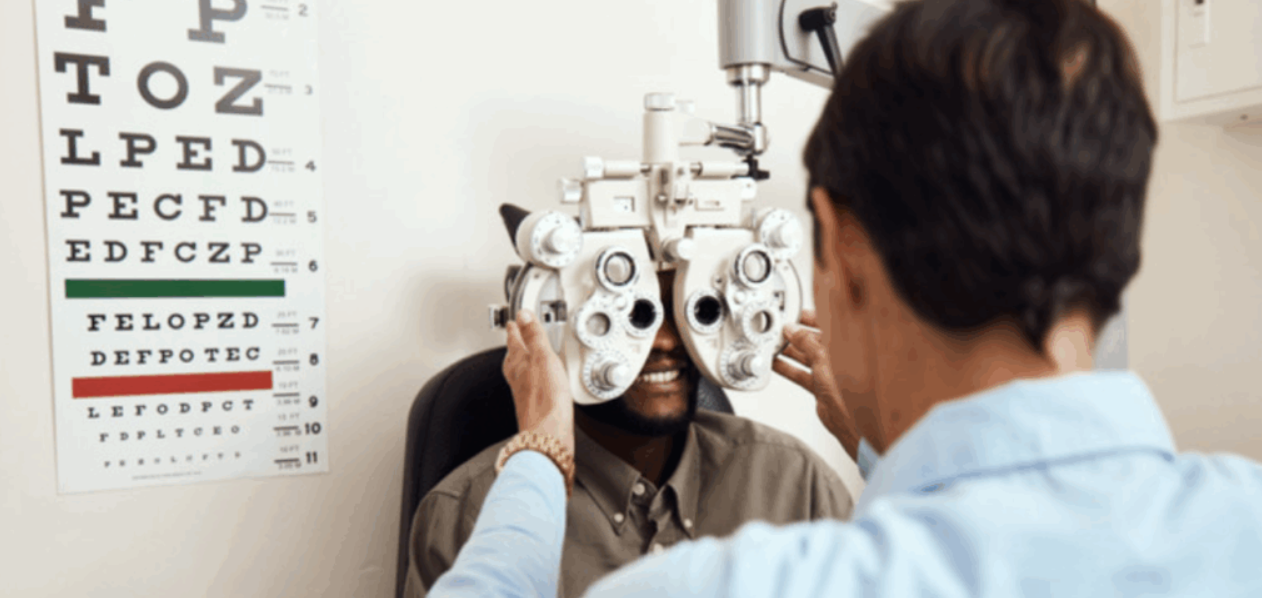
What Happens During a Pediatric Eye Exam?

A pediatric eye exam is designed to be comfortable, age-appropriate, and informative for both children and parents.

During an exam, the eye doctor evaluates:

  • Visual clarity at different distances

  • Eye coordination and focusing ability
  • Muscle balance and strength

  • Overall eye health

  • Any symptoms or concerns noticed at home or school

Parents also have time to discuss observations such as eye rubbing, headaches, or school challenges. These conversations help provide a full picture of how a child’s vision is affecting daily life.

At Designs For Eyes, pediatric eye exams focus on clear communication and helping children feel at ease throughout the visit.


Why Waiting Until Summer Can Delay Needed Support

Some families wait until summer to schedule eye exams, but that can mean months of unnecessary struggle if a child’s vision has changed.

Scheduling earlier in the year helps:

  • Prevent learning frustration

  • Support reading and classroom focus

  • Address issues before habits form

  • Give children confidence during the school year

A January kids eye exam ensures that vision concerns are addressed while school is still in session, not after challenges have already affected performance or comfort.


FAQs About January Kids Eye Exams

Why is January a good time for a kids eye exam?

January allows parents to check vision after a full school semester and address changes early, supporting learning for the rest of the year.

Do kids need eye exams if they passed a school vision screening?

Yes. Yes. School screenings are limited and do not replace comprehensive eye exams, which evaluate eye health, focusing, muscle balance and coordination. Because children can accommodate so well, they can actually create visual clarity and pass the screening.  In reality, their muscles are overworked. 

How can vision problems affect school performance?

Vision issues can impact reading, attention, and confidence. Children may struggle academically or avoid tasks if vision is not clear or comfortable. Ninety percent of learning comes from vision.


For Booking your appointment please check our website 


January 30, 2026
If your eyes feel itchy, red, or irritated during colder months, you may be surprised to learn that allergies could be the cause. Can winter allergies affect your eyes? Yes, they can, and many patients experience symptoms even when there is no pollen in the air.  This blog is for patients and families in Howell, Brighton, Hartland, Pinckney, and surrounding Livingston County communities who want clear, trustworthy answers. Below, we’ll explain what causes winter eye allergies, how to tell the difference between allergies and dry eye, and when it’s time to see an eye doctor for relief.
By Designs for Eyes Vision Center Admin January 29, 2026
If your contact lenses feel less comfortable during colder months, you’re not imagining it. Contact lenses in winter can feel drier and more irritating due to cold outdoor air, dry indoor heating, and changes in daily habits.  This blog is for patients and families in Howell, Brighton, Hartland, Pinckney, and surrounding Livingston County communities who wear contacts and want clear, practical guidance. Below, you’ll learn why winter affects contact lens comfort, what you can do to stay comfortable, and when switching to glasses or scheduling an eye exam may be the right move.