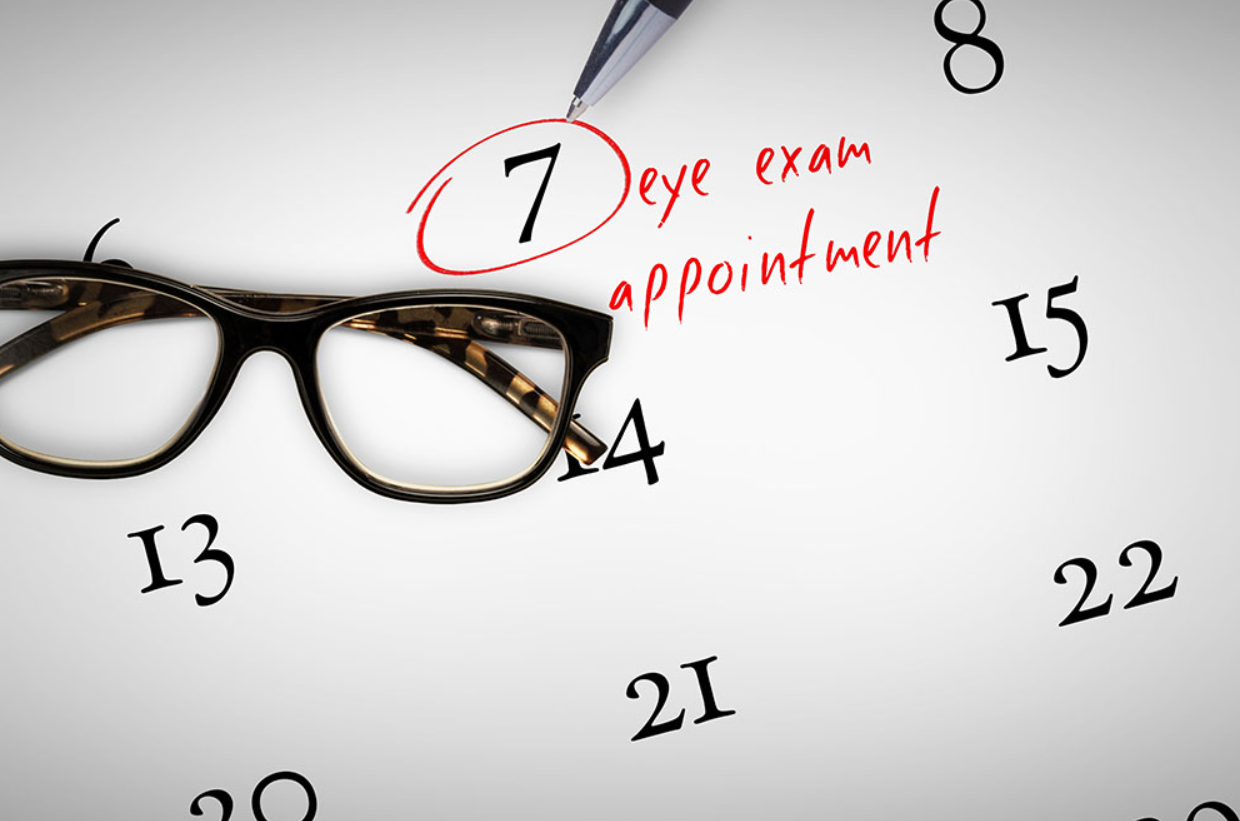
If you’re wondering when you should schedule an eye exam, the start of the new year is often an ideal time. January offers a fresh opportunity to check in on your vision, stay proactive about eye health, and plan ahead before the year gets busy.
This guide is for Michigan patients and families who want clear, trustworthy guidance on eye exam timing. Below, you’ll learn why the new year works well for many people, how often adults and children should have eye exams, and what factors should influence your personal schedule.
Is the New Year a Good Time to Schedule an Eye Exam?
For many patients, yes. The new year is one of the most practical and proactive times to schedule an eye exam.
After the holidays, schedules often become more predictable. Families in Howell, Brighton, Hartland, and Pinckney may find it easier to book appointments once school routines and work calendars settle back into place.
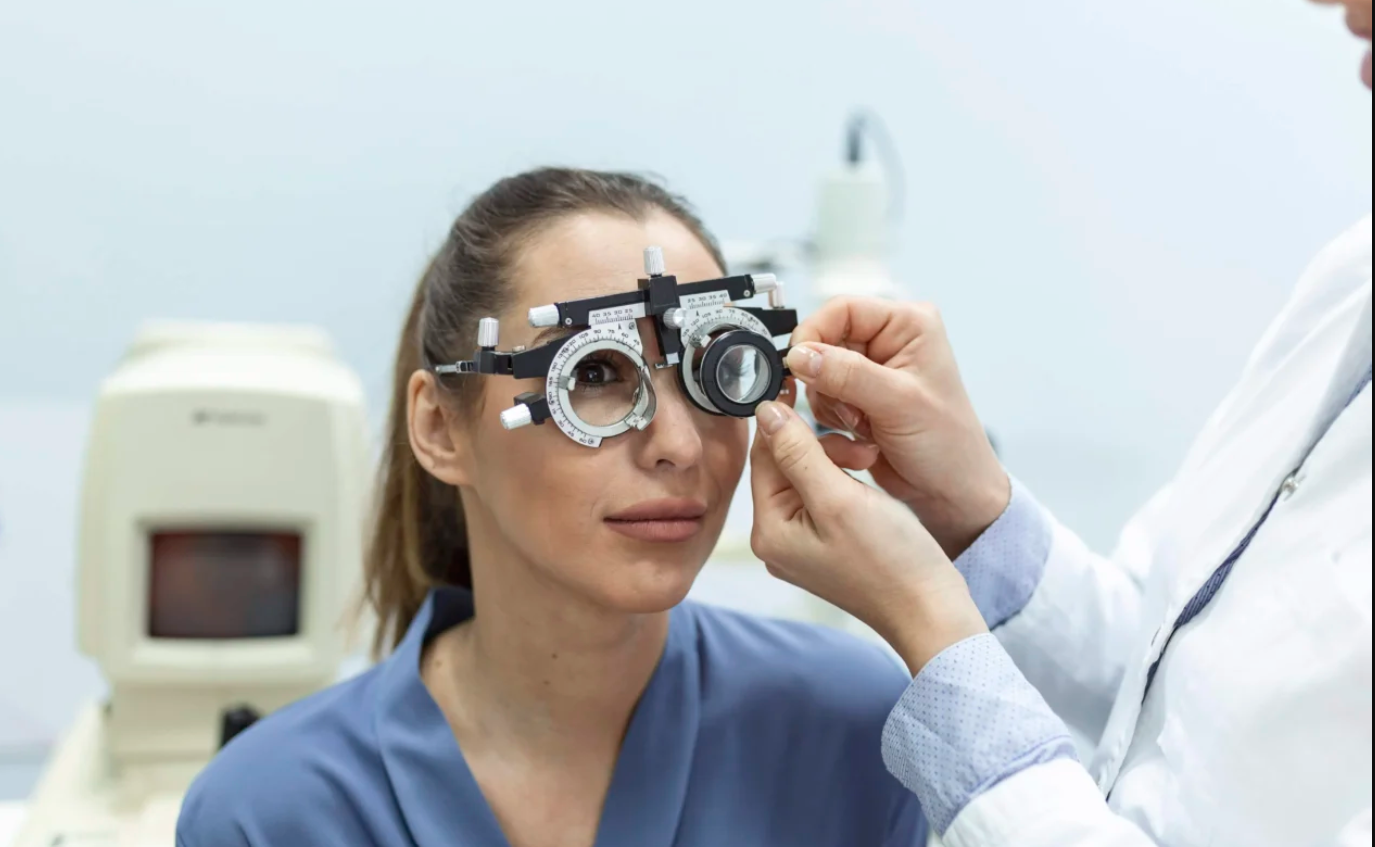
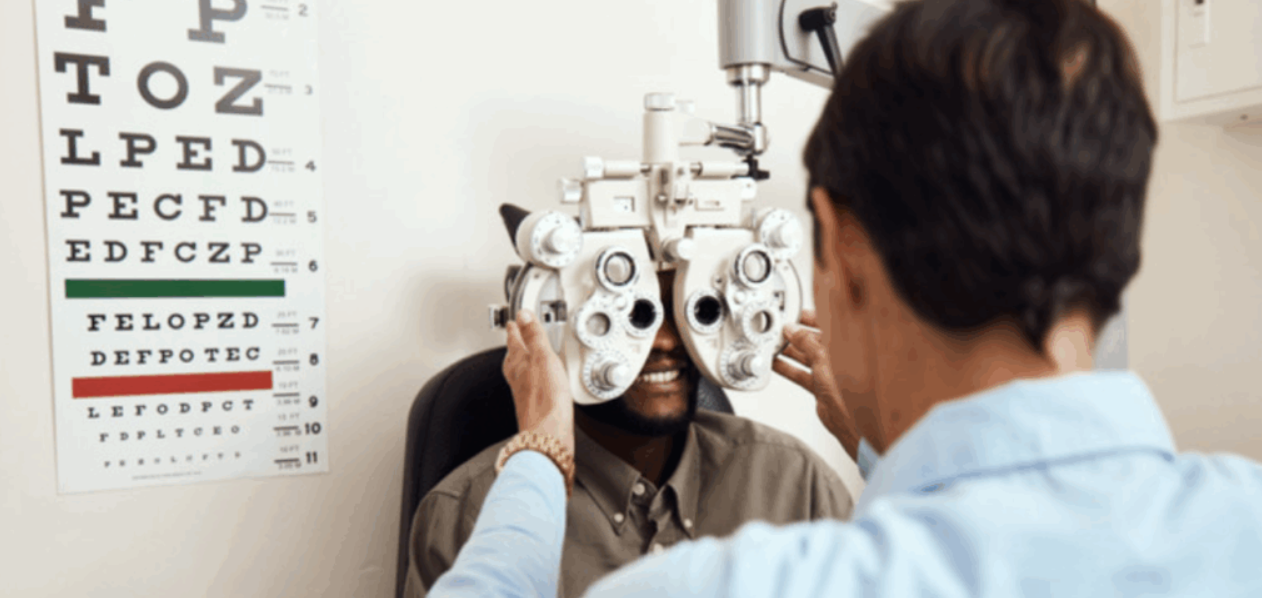
January also aligns well with health-focused goals. Many people use the new year to prioritize wellness, and vision care is an important part of overall health. Eye exams do more than check eyesight. They help monitor eye health and can detect early signs of conditions that may not cause obvious symptoms at first.
Another benefit is planning ahead. Scheduling early in the year helps ensure you do not put off care until symptoms appear or schedules fill up later.

How Often Should Adults and Children Have Eye Exams?
The right eye exam schedule depends on age, vision needs, and eye health history. There is no one-size-fits-all answer, but general guidelines can help.
Adults
Most adults benefit from an eye exam every year. Factors that may require more frequent visits include:
- Wearing glasses or contact lenses
- Experiencing changes in vision
- Having a history of eye disease
- Managing health conditions like diabetes
- Spending long hours on digital devices
Even if your vision feels stable, routine exams help monitor eye health and ensure prescriptions remain accurate.
Children
Children benefit from regular eye exams, especially during early development and school years. Vision plays a key role in learning, reading, and classroom performance.
Eye exams can help identify:
- Focusing or eye teaming issues
- Prescription needs that may affect schoolwork
- Eye health concerns that are not always obvious
Parents in Livingston County often schedule exams around school breaks or at the start of the year to ensure children are set up for success.
Your eye doctor can recommend a personalized schedule based on individual needs for both adults and children.
Do Vision Benefits Reset at the Start of the Year?
Many vision insurance plans reset benefits in January, including coverage for eye exams, glasses, or contact lenses. This makes the new year a practical time to schedule care.
Using benefits early can help you:
- Take full advantage of annual allowances
- Avoid rushing appointments later in the year
- Plan eyewear updates without last-minute pressure
Because insurance plans vary, it’s helpful to confirm your specific coverage details before your visit. Doing so allows you to make informed decisions and avoid surprises.
Even patients without vision insurance can benefit from early-year planning, as it allows flexibility in scheduling and budgeting for care. We provide money saving packages and prompt pay fee schedules for eye exam services.

What Signs Mean You Should Not Wait for an Eye Exam?
While routine scheduling is important, certain symptoms should prompt an eye exam sooner rather than later, regardless of the time of year.
These include:
- Blurry or fluctuating vision
- Frequent headaches or eye strain
- Difficulty seeing at night
- Redness, dryness, or irritation that does not improve
- Squinting or holding screens very close
Children may also show signs such as rubbing their eyes often, avoiding reading, or struggling with schoolwork.
If you notice these changes, it’s a good idea to schedule an appointment even if your last exam was recent.
Why Timing Matters for Long-Term Eye Health
Eye exams are not only about seeing clearly today. They play an important role in protecting vision long term.
Regular exams allow your eye doctor to:
- Track changes in vision over time
- Detect early signs of eye diseases and systemic conditions
- Monitor how lifestyle factors affect eye health
- Provide guidance on screen use, dryness, and comfort
By choosing the right time for your exam and keeping up with recommended visits, you support both immediate comfort and long-term eye wellness.
At Designs For Eyes, patients receive personalized care that considers age, lifestyle, and vision needs, helping families throughout the Howell area stay proactive about eye health year after year.
FAQs About Scheduling an Eye Exam in the New Year
When should you schedule an eye exam if you feel fine?
Even without symptoms, routine eye exams are important. Many eye conditions develop gradually without noticeable changes at first. Scheduling an exam every year helps ensure issues are identified early.
Is January too early to use vision benefits?
No. If your plan resets at the start of the year, January is often an ideal time to use benefits. It gives you flexibility and helps prevent delays later in the year.
Should children have eye exams every year?
Many children benefit from annual eye exams, especially during school years. Your eye doctor can recommend the best schedule based on your child’s vision and development.
For Booking your appointment please check our website